防詐3要訣:不聽信、不操作、掛斷電話


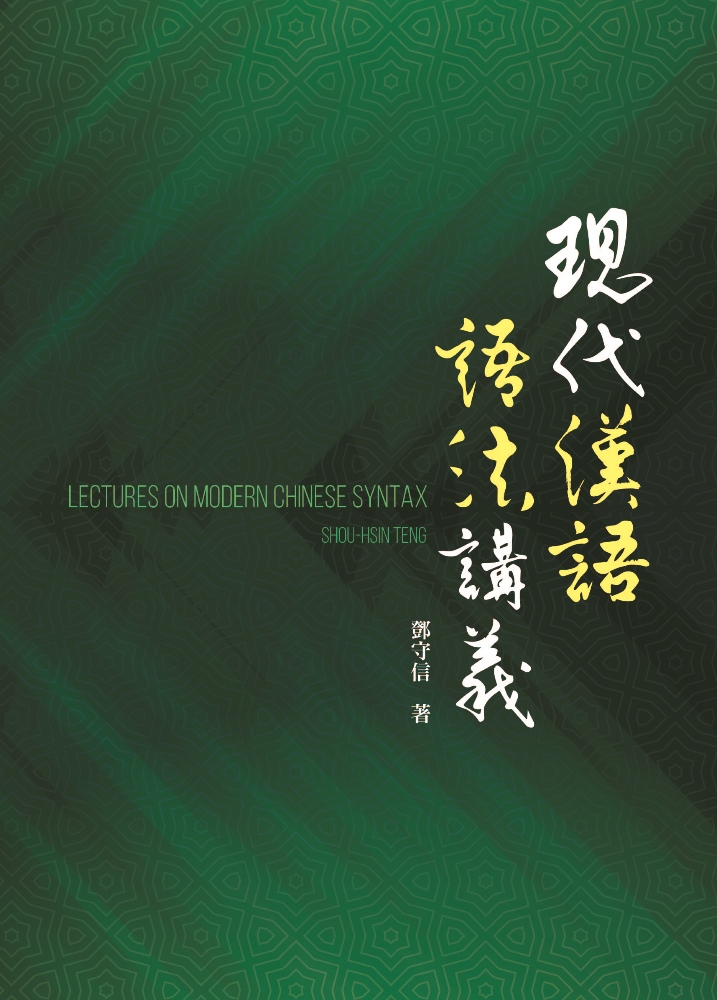
當代中文語法點全集
An A to Z Grammar for Chinese Language Learners
內容簡介
適合不同階段的中文學習者
華語教學界泰斗--鄧守信教授畢生之研究精華與實踐
華語教學權威--國立臺灣師範大學國語教學中心策劃
從功能語法詮釋,幫助學習者了解何時使用與使用的情境,
並介紹這些結構,包含肯定、否定、疑問等形式
提醒學習者各語法點使用時應注意的地方
有效整理、比較所有重要語法點,釐清語法觀念
語法點由 A~Z 編排,方便查找搜尋
語法點範圍涵蓋基礎(Basic)到高階(Advanced)程度
全書中文例句或漢字均附有漢語拼音及英文翻譯
每個語法點詳列:功能、結構、用法,完整介紹該語法
每個語法點提供多個典型例句,幫助理解使用的情境
能使學習者快速理解語法形式及結構,了解怎麼用、什麼時候用,以及用在什麼地方
華語教師、中文學習者必備的工具書
可搭配任何中文學習教材參考使用
Features:
345 entries of modern Chinese grammar, arranged alphabetically by Hanyu Pinyin.
Designed specifically for Chinese language learners of all levels.
Grammatical entries include three subsections: Function, Structure and Usage.
(1) The Function section answers the questions ‘What is the purpose of this grammar item?’ and ‘How do native speakers use it?’
(2) The Structure section explains grammar points, including descriptions of negative and interrogative structures, so that learners can become skilled at making sentences using negative structures and asking questions.
(3) A Usage section is provided when applicable to compare and contrast structures found in the Chinese and English languages.
This reference guide can give learners a clear understanding of grammar points and help them master Chinese.
Excellent companion to any Chinese learning textbook.
產品目錄
A-not-A Questions
Answering Questions in Chinese
按照, ànzhào, (Prep), in accordance with
B
吧, ba, (Ptc), Making Suggestions
把, bǎ, (Ptc), To Dispose of Something (1)
把, bǎ, (Ptc), Moving an Object to a Location (2)
把, bǎ, (Ptc), with V1V2V3 (3)
把, bǎ, (Ptc), V (一) V, Disposal with Verb Reduplication (4)
把, bǎ, (Ptc), with Resultative Complements (5)
把, bǎ, (Ptc), Unintentional Event (6)
把 A 當做 B, (bǎ A dàngzuò B), to treat or take A as B (7)
白, bái, (Adv), in vain, all for nothing
幫, bāng, (Prep), on behalf of
被, bèi, (Ptc), A Passive Marker (See 受 shòu entry also)
比, bǐ, (Prep), Comparison (1)
比, bǐ, (Prep), Intensifying a State with 一 M 比 一 M, more and more X, more X than the last (2)
比較, bǐjiào, (Adv), Implicit Comparison (3)
比起來, bǐqǐlái, Comparison (4)
畢竟, bìjìng, (Adv), after all, to Urge Concession
別的, biéde, other
別再⋯了,bié zài…le, stop doing it
並, bìng, (Adv), 並 + Negation, Contrary to Expectation
不, bù, vs. 沒, méi, Negation (1)
不, bù, Negative Potential Complement (2)
-部-bù, or -邊-biān, Locative Markers
不但 A,還 B, (búdàn (Conj) A, hái (Adv) B), not only A, but also B
不但 A,而且 B, (búdàn (Conj) A, érqiě (Conj) B), not only A but also B
不到, búdào, less than
不得不, bùdébù, have no choice but to…
不管 A 都 B, (bùguǎn (Conj) A dōu (Adv) B), regardless of whether or not
不見得, bújiàndé, (Adv), not necessarily
不禁, bùjīn, (Adv), uncontrollably, cannot help but…
不如, bùrú, (Vst), not as good as
不是, búshì, Negation
不是 A 就是 B, (bú shì A jiù shì B), if it's not A, then it’s B
不是 A,而是 B, (bú shì A, ér shì B), not A ; rather B
不說, bùshuō , in S1 不說,S2 也yě, not merely, but also (complaining)
不太, bútài, not very
不停, bù tíng, as in Verb + 個不停, keep on
不再⋯了, (bú zài…le), not…any more
不只, bùzhǐ, (Adv), not merely, exceeding
不至於, bùzhìyú, (Adv), but the situation would not be so bad as to…
C
才, cái, (Adv), merely, only (1)
才, cái, (Adv), longer/later than expected (2)
才, cái, (Adv), then and only then (3)
才, cái, (Adv), to outrightly deny (4)
才 A 就 B, (cái A jiù B), only just A, and B already (5)
曾經, céngjīng, (Adv), experience in the past, V’ed before
差不多, chàbùduō, (Vs, Adv), In Various Functions
差一點(就), chàyīdiǎn (jiù), (Adv), almost
趁, chèn, (Prep), seize the moment
成, chéng, (Ptc), as Verb Complement, to become, to turn into (1)
成, chéng, (Ptc), As a verb complement, successful(ly) (2)
成語, chéngyǔ, 四字格, Four-Character Phrases
出, chū, (Ptc), Verb Particle, to have emerged
出來, chūlái, as Verb Complement, to figure out
除了 A,還 B, (chúle (Prep) A , hái (Adv) B), in addition to
Complement of Intensification in Comparison Structures (1)
Complements, 極了jíle, 得不得了de bùdéliǎo, 得很de hěn, terribly, extremely (2)
從 A 到 B, (cóng (Prep) A dào (Prep) B), from A to B
從 A 往 B, (cóng (Prep) A wǎng (Prep) B), go A from B
從⋯起, (cóng (Prep)…qǐ (Ptc)), starting from…
從來, cónglái, (Adv), 從來 + Negation, never
D
當⋯的時候, (dāng…de shíhòu), when, while, at the time of
到, dào, (Prep), Destination Marker (1)
到, dào, (Prep), Destination Marker for Movement Verbs (2)
到, dào, (Prep), Post-verbal Preposition, up to, till (3)
到, dào, (Ptc), as Verb Complement, to be successful in… (4)
到底, dàodǐ, (Adv), after all? how on earth…?
倒是, dàoshì, (Adv), on the other hand
得, de, (Ptc), Complement Marker (1)
得, de, (Ptc), Complement Marker, used in comparing the results of actions (2)
得, de, (Ptc), Complement Marker, so…that… (3)
得, de, (Ptc), Positive Potential Complement Marker (4) (See 不(2))
的, de, (Ptc), Possessive Marker (1)
的, de, (Ptc), Modifier Marker (2)
的, de, (Ptc), with the Head Noun Omitted (3)
的, de, (Ptc), to Mark Assurance, co-occuring often with會huì (Vaux) (4)
的話, de huà, if, supposing
的時候, de shíhòu, when, at the time of
等, děng, (Ptc), enumeration particle, etc…
等 A 就 B,(děng A jiù B), when A comes, then B
的確, díquè, (Adv), indeed
掉, diào, (Ptc), Verb Particle, separated from
Directional Constructions V1V2 and V1V2V3
Disposal Construction (See 把bǎ,1-7)
懂, dǒng, (Vs, Vp), Complement Indicating Cognitive Ability as a Result
動, dòng, (Vp), used as a verb complement, capable of causing movement
動不動就, dòngbùdòng jiù, whenever one pleases to do something impetuously
都, dōu, (Adv), totality, all (1)
都, dōu, (Adv), expressing displeasure, annoyance or surprise (2)
對, duì , (Prep), towards
對 A 有B, (duì (Prep) A yǒu (Vs) B), to be B in A
對⋯來說, (duì (Prep)…lái shuō), as far as...is concerned, for
對⋯講究, (duì (Prep) …jiǎngjiù (Vst)), to be discerning, discriminating, particular about
對於, duìyú, (Prep, Ptc), towards, regarding (1)
對於⋯而言, (duìyú (Prep)…ér yán), as far as… is concerned (2)
多, duō, (Vs), more than, over, and some (1)
多, duō, (Adv), as in 多+Verb, more… than planned (2)
多, duō, (Adv), intensifying, how…! (3)
多少, duōshǎo, (Adv), likely, at least
E
而且, érqiě, (Conj), furthermore
Existential Sentence with Posture Verbs (1)
Existential Sentence with有yǒu (2)
F
反而, fǎn'ér, (Adv), on the contrary
反正, fǎnzhèng, (Adv), at any rate, anyway
方面, fāngmiàn, (N), as in 在⋯方面, with respect to; regarding
非⋯不可, (fēi…bùkě), it is imperative that
否則, fǒuzé, (Conj), otherwise
Four-Character Phrases (See 成語chéngyǔ,)
G
V 個夠, V ge gòu, to have a full dosage of an activity
各 V 各的, (gè V gè de), each doing her/his own…
給, gěi, (Prep), Various Meanings (1)
給, gěi, (Prep), Indirect Object Marker (2)
給⋯帶來, (gěi (Prep)…dàilái), to bring…to (3)
跟, gēn, (Prep), Companionship (1)
跟, gēn, (Prep), Various Meanings of the Preposition (2)
跟⋯一樣, (gēn (Prep)…yíyàng), Comparison
跟 B 有關的 A, (gēn (Prep) B yǒuguān de A), A that relates to B, A that concern B
根本, gēnběn, (Adv), not…at all, absolutely not
更, gèng, (Adv), Intensification in Comparison, even more so
更別說 B 了, (gèng bié shuō B le), let alone, never mind
慣, guàn, (Ptc), indicating ‘getting used to a routine’
光 A 就 B, (guāng (Adv) A jiù (Adv) B), just A alone…
關於, guānyú, (Vs, Ptc), about, regarding
過, guò, (Ptc), Experience Aspect (1)
過, guò, (Ptc), Phase Aspect Marker, Completion of Action (2)
H
還, hái, (Adv), still (unchanged, incomplete) (1)
還, hái, (Adv), to my surprise (2)
還是 A 吧, (háishì (Adv) A ba (Ptc)), it will be better if A, it would be best if A
好, hǎo, as in 好+Verb, nice to, easy to (1)
好, hǎo, (Ptc), as Verb Complement, all set and ready (2)
好不容易, hǎobù róngyì , (idiom), only after a tremendous amount of...
何必, hébì, (Adv), why must
何況, hékuàng, (Adv), let alone, no need to mention
很, hěn, (Adv), Intensification Marker
恨不得, hènbùdé, one really wishes one could…
後來, hòulái, (Adv), next in sequence
會, huì, (Vaux), aquired skills, can, able to (1)
會, huì, (Vaux), likelihood (2)
會, huì, (Vaux), as Verb Complement (3)
J
既 A 又 B, (jì (Adv) A yòu (Adv) B), not only A, but also B
既然 A 就 B, (jìrán (Conj) A jiù (Adv) B), Concession, since A then B
見, jiàn, (Ptc), as Verb Complement, perceived
漸漸, jiànjiàn, (Adv), gradually, slowly
簡直, jiǎnzhí, (Adv), to put it simply and plainly, it seems as if
叫, jiào, (V), Imperative Verb
結果, jiéguǒ, (Adv), consequently, (Conj), in the end
幾乎, jīhū, (Adv), almost
經過, jīngguò, (Prep), after
竟然, jìngrán, (Adv), to the speaker’s great surprise, unbelievably
就, jiù, (Adv), sooner than expected (1)
就, jiù, (Adv), in V了A 就 B ,(V le A jiù B), do B right after doing A (2)
就, jiù, (Adv), on the contrary (3)
就算 S1,也 S2, (jiùsuàn S1, yě S2), even if S1, would S2, no matter how
就要⋯了, (jiù yào… le), will soon
究竟, jiùjìng, (Adv), I wonder
居然, jūrán, (Adv), to one’s surprise
K
看, kàn, (V), as in V V 看, to try and see, to try out (1)
看, kàn, (V), depend on (2)
靠, kào, (V / Prep), to rely on, by means of
可, kě, (Adv), but on the other hand, stating a mild warning
可見, kějiàn, (Conj), it can thus be concluded that…
可以, kěyǐ, (Vaux), Permission (1)
可以, kěyǐ, (Vaux), Possibility (2)
恐怕, kǒngpà, (Adv), probably, I’m afraid that
快一點, kuài yìdiǎn, hurry up
L
來, lái, (V), as in 來 + VP, to come to do something (1)
來, lái, as a verb complement, to get along well, to be able to relate to each other well (2)
了1, le, (Ptc), Completed Action (1)
了1 , le, (Ptc), Followed by Time-Duration (2)
了2, le, (Ptc), Change in Situation (3)
了2 , (Ptc), in 快⋯了, kuài…le, about to (4)
了1⋯了2, (le (Ptc)… le (Ptc)), Completion-to-date (5)
離, lí, (Prep), distance from
離合詞, líhécí, Separable Verbs
連 A 都 B, (lián (Prep) A dōu (Adv) B), even
了, liǎo, (Ptc), as Verb Complement, capability
另外的, lìngwài de, another (See 別的biéde)
亂, luàn, (Adv), as in 亂+Verb, to do somethng in an irresponsible manner risking undersirable consequences
M
嗎, ma, (Ptc), Asking Questions (1)
嗎, ma, (Ptc), Confrontational (2)
嘛, ma, (Ptc), isn’t it obvious that
滿, mǎn, (Vs), as Verb Complement, crowded with (1)
滿, mǎn, (Vpt), to reach a ceiling (2)
Measures, (nominal), Units for Counting Nouns in Chinese (1)
Measures, (verbal), 下 xià, 趟 tàng, 遍biàn, and 次cì (2)
Measure 一M一M as Manner, one at a time
沒有, méi yǒu, as used in Inferior Comparison
每, měi, (Det), each and every (1)
每, měi, (Det), as in 每+Time Expression, Frequency (2)
免得, miǎnde, (Adv), lest, so as to avoid
明明, míngmíng, (Adv), it should be obvious to everyone that…
Multiple Verb Phrases
N
拿⋯來說, (ná (Prep)…lái shuō), take…as an example
哪裡, nǎlǐ, (Adv), rhetorical question
難, nán, as in 難 + Verb, Special Meanings (See 好 (1))
難道, nándào, (Adv), how could it possibly be true
難得, nándé, (Adv), rarely
難怪, nánguài, (Adv), no wonder
難免, nánmiǎn, (Adv), inevitably, it is only natural that
難以, nányǐ, (Vaux), to find it difficult to…
呢, ne, (Ptc), Contrastive tag Questions
能1, néng, (Vaux), Capability (1)
能2, néng, (Vaux), Permission (2)
能3, néng, (Vaux), Possibility (3)
寧可 A 也要 B, (níngkě (Adv) A, yě (Adv) yào (Vaux) B), would rather A , in order to B
弄, nòng, (V), General Pro-Verb (1)
弄, nòng, (V), General Causative Verb (2)
O
Omission of Nouns at 2nd Mention
P
偏偏, piānpiān, (Adv), contrary to expectation, deliberately, annoyingly
作者介紹
■作者簡介
鄧守信
Shou-hsin Teng, PhD
Professor of Chinese Linguistics
University of Massachusetts, Amherst, Mass, USA (retired)
National Taiwan Normal University, Taipei, Taiwan (retired)
Maa Fa Luang University, Chiang Rai, Thailand
Dept. of Chinese as a Second Language, Chungyuan Christian University, Chungli, Taiwan (current)
國立臺灣師範大學國語教學中心/策劃
國立臺灣師範大學國語教學中心成立於 1956 年,隸屬於國立臺灣師範大學,是臺灣歷史最悠久、規模最完備、教學最有成效的華語文教學機構。學員來自全世界各地,許多漢學界知名學者及政經界名人都曾在此就讀,在國際間享譽盛名。
The Mandarin Training Center (MTC) at NTNU
The Mandarin Training Center (MTC) is founded in 1956. The MTC, a subsidiary of National Taiwan Normal University (NTNU), is the largest and oldest institution dedicated to teaching Chinese as a second language in Taiwan. The center has well-equipped facilities and is internationally renowned for its high teaching quality. MTC’s students come from all over the world, and many renowned sinology scholars and important figures in the politics and financial are its alumni.
規格
退貨說明
退貨須知:
- 依照消費者保護法的規定,您享有商品貨到次日起七天猶豫期(含例假日)的權益(請注意!猶豫期非試用期),辦理退貨之商品必須是全新狀態(不得有刮傷、破損、受潮)且需完整(包含全部商品、配件、原廠內外包裝、贈品及所有附隨文件或資料的完整性等)。
- 請您以送貨廠商使用之包裝紙箱將退貨商品包裝妥當,若原紙箱已遺失,請另使用其他紙箱包覆於商品原廠包裝之外,切勿直接於原廠包裝上黏貼紙張或書寫文字。若原廠包裝損毀將可能被認定為已逾越檢查商品之必要程度,本公司得依毀損程度扣除回復原狀必要費用(整新費)後退費;請您先確認商品正確、外觀可接受,再行拆封,以免影響您的權利;若為產品瑕疵,本公司接受退貨。
依「通訊交易解除權合理例外情事適用準則」,下列商品不適用七日猶豫期,除產品本身有瑕疵外,不接受退貨:
- 易於腐敗、保存期限較短或解約時即將逾期。(如:生鮮蔬果、乳製品、冷凍冷藏食材、蛋糕)
- 依消費者要求所為之客製化給付。(如:客製印章、鋼筆刻字)
- 報紙、期刊或雜誌。
- 經消費者拆封之影音商品或電腦軟體。
- 非以有形媒介提供之數位內容或一經提供即為完成之線上服務,經消費者事先同意始提供。(如:電子書)
- 已拆封之個人衛生用品。(如:內衣褲、襪類、褲襪、刮鬍刀、除毛刀等貼身用品)
- 國際航空客運服務。
若您退貨時有下列情形,可能被認定已逾越檢查商品之必要程度而須負擔為回復原狀必要費用(整新費),或影響您的退貨權利,請您在拆封前決定是否要退貨:
- 以數位或電磁紀錄形式儲存或著作權相關之商品(包含但不限於CD、VCD、DVD、電腦軟體等) 包裝已拆封者(除運送用之包裝以外)。
- 耗材(包含但不限於墨水匣、碳粉匣、紙張、筆類墨水、清潔劑補充包等)之商品包裝已拆封者(除運送用之包裝以外)。
- 衣飾鞋類/寢具/織品(包含但不限於衣褲、鞋子、襪子、泳裝、床單、被套、填充玩具)或之商品缺件(含購買商品、附件、內外包裝、贈品等)或經剪標或下水或商品有不可回復之髒污或磨損痕跡。
- 食品、美容/保養用品、內衣褲等消耗性或個人衛生用品、商品銷售頁面上特別載明之商品已拆封者(除運送用之包裝外一切包裝、包括但不限於瓶蓋、封口、封膜等接觸商品內容之包裝部分)或已非全新狀態(外觀有刮傷、破損、受潮等)與包裝不完整(缺少商品、附件、原廠外盒、保護袋、配件紙箱、保麗龍、隨貨文件、贈品等)。
- 家電、3C、畫作、電子閱讀器等商品,除商品本身有瑕疵外,退回之商品已拆封(除運送用之包裝外一切包裝、包括但不限於封膜等接觸商品內容之包裝部分、移除封條、拆除吊牌、拆除貼膠或標籤等情形)或已非全新狀態(外觀有刮傷、破損、受潮等)與包裝不完整(缺少商品、附件、原廠外盒、保護袋、配件紙箱、保麗龍、隨貨文件、贈品等)。
- 退貨程序請參閱【客服專區→常見問題→誠品線上退貨退款】之說明。