防詐3要訣:不聽信、不操作、掛斷電話


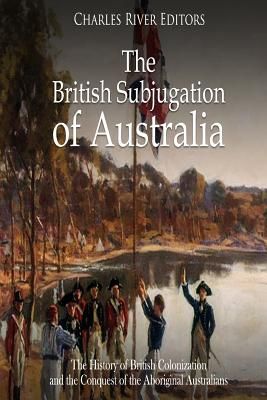

The British Subjugation of Australia: The History of British Colonization and the Conquest of the Aboriginal Australians
BRITISH SUBJUGATION OF AUSTRAL
出版日期:
2018/06/11
465
訂單自國外空運,約14-21個工作天(不含例假日)到貨後依序出貨。為縮短等待,建議將此商品和其他商品分開下單。
查詢門市庫存
內容簡介
*Includes pictures *Includes online resources and a bibliography for further reading "It is quite time that our children were taught a little more about their country, for shame's sake." - Henry Lawson, Australian poet A land of almost 3 million square miles has lain since time immemorial on the southern flank of the planet, so isolated that it remained almost entirely outside of European knowledge until 1770. From there, however, the subjugation of Australia would take place rapidly. Within 20 years of the first British settlements being established, the British presence in Terra Australis was secure, and no other major power was likely to mount a challenge. In 1815, Napoleon would be defeated at Waterloo, and soon afterwards would be standing on the barren cliffs of Saint Helena, staring across the limitless Atlantic. The French, without a fleet, were out of the picture, the Germans were yet to establish a unified state, let alone an overseas empire of any significance, and the Dutch were no longer counted among the top tier of European powers. Australia lay at an enormous distance from London, and its administration was barely supervised. Thus, its development was slow in the beginning, and its function remained narrowly defined, but as the 19th century progressed and peace took hold over Europe, things began to change. Immigration was steady, and the small spores of European habitation on the continent steadily grew. At the same time, the Royal Navy found itself with enormous resources of men and ships at a time when there was no war to fight. British sailors were thus employed for survey and exploration work, and the great expanses of Australia attracted particular interest. It was an exciting time, and an exciting age - the world was slowly coming under European sway, and Britain was rapidly emerging as its leader. That said, the 19th century certainly wasn't exciting for the people who already lived in Australia. The history of the indigenous inhabitants of Australia, known in contemporary anthropology as the "Aboriginal and Torres Strait Islander people of Australia," is a complex and continually evolving field of study, and it has been colored by politics. For generations after the arrival of whites in Australia, the Aboriginal people were disregarded and marginalized, largely because they offered little in the way of a labor resource, and they occupied land required for European settlement. At the same time, it is a misconception that indigenous Australians meekly accepted the invasion of their country by the British, for they did not. They certainly resisted, but as far as colonial wars during that era went, the frontier conflicts of Australia did not warrant a great deal of attention. Indigenous Australians were hardly a warlike people, and without central organization, or political cohesion beyond scattered family groups, they succumbed to the orchestrated advance of white settlement with passionate, but futile resistance. In many instances, aggressive clashes between the two groups simply gave the white colonists reasonable cause to inflict a style of genocide on the Aborigines that stood in the way of progress. In any case, their fate had largely been sealed by the first European sneeze in the Terra Australis, which preceded the importation of the two signature mediums of social destruction. The first was a collection of alien diseases, chief among smallpox, but also cholera, influenza, measles, tuberculosis, syphilis and the common cold. The second was alcohol. Smallpox alone killed more than 50% of the aboriginal population, and once the fabric of indigenous society had crumbled, alcohol provided emotional relief, but relegated huge numbers of Aborigines to the margins of a robust and emerging colonial society.
規格
誠品貨碼 /
ISBN13 / 9781721082964
ISBN10 /
EAN貨碼 / 9781721082964
裝訂 / P:平裝
頁數 / 56
語言 / 3:英文
級別 / N:無
尺寸 / 22.9X15.2X0.3CM
重量(g) / 86.2
退貨說明
退貨須知:
- 依照消費者保護法的規定,您享有商品貨到次日起七天猶豫期(含例假日)的權益(請注意!猶豫期非試用期),辦理退貨之商品必須是全新狀態(不得有刮傷、破損、受潮)且需完整(包含全部商品、配件、原廠內外包裝、贈品及所有附隨文件或資料的完整性等)。
- 請您以送貨廠商使用之包裝紙箱將退貨商品包裝妥當,若原紙箱已遺失,請另使用其他紙箱包覆於商品原廠包裝之外,切勿直接於原廠包裝上黏貼紙張或書寫文字。若原廠包裝損毀將可能被認定為已逾越檢查商品之必要程度,本公司得依毀損程度扣除回復原狀必要費用(整新費)後退費;請您先確認商品正確、外觀可接受,再行拆封,以免影響您的權利;若為產品瑕疵,本公司接受退貨。
依「通訊交易解除權合理例外情事適用準則」,下列商品不適用七日猶豫期,除產品本身有瑕疵外,不接受退貨:
- 易於腐敗、保存期限較短或解約時即將逾期。(如:生鮮蔬果、乳製品、冷凍冷藏食材、蛋糕)
- 依消費者要求所為之客製化給付。(如:客製印章、鋼筆刻字)
- 報紙、期刊或雜誌。
- 經消費者拆封之影音商品或電腦軟體。
- 非以有形媒介提供之數位內容或一經提供即為完成之線上服務,經消費者事先同意始提供。(如:電子書)
- 已拆封之個人衛生用品。(如:內衣褲、襪類、褲襪、刮鬍刀、除毛刀等貼身用品)
- 國際航空客運服務。
若您退貨時有下列情形,可能被認定已逾越檢查商品之必要程度而須負擔為回復原狀必要費用(整新費),或影響您的退貨權利,請您在拆封前決定是否要退貨:
- 以數位或電磁紀錄形式儲存或著作權相關之商品(包含但不限於CD、VCD、DVD、電腦軟體等) 包裝已拆封者(除運送用之包裝以外)。
- 耗材(包含但不限於墨水匣、碳粉匣、紙張、筆類墨水、清潔劑補充包等)之商品包裝已拆封者(除運送用之包裝以外)。
- 衣飾鞋類/寢具/織品(包含但不限於衣褲、鞋子、襪子、泳裝、床單、被套、填充玩具)或之商品缺件(含購買商品、附件、內外包裝、贈品等)或經剪標或下水或商品有不可回復之髒污或磨損痕跡。
- 食品、美容/保養用品、內衣褲等消耗性或個人衛生用品、商品銷售頁面上特別載明之商品已拆封者(除運送用之包裝外一切包裝、包括但不限於瓶蓋、封口、封膜等接觸商品內容之包裝部分)或已非全新狀態(外觀有刮傷、破損、受潮等)與包裝不完整(缺少商品、附件、原廠外盒、保護袋、配件紙箱、保麗龍、隨貨文件、贈品等)。
- 家電、3C、畫作、電子閱讀器等商品,除商品本身有瑕疵外,退回之商品已拆封(除運送用之包裝外一切包裝、包括但不限於封膜等接觸商品內容之包裝部分、移除封條、拆除吊牌、拆除貼膠或標籤等情形)或已非全新狀態(外觀有刮傷、破損、受潮等)與包裝不完整(缺少商品、附件、原廠外盒、保護袋、配件紙箱、保麗龍、隨貨文件、贈品等)。
- 退貨程序請參閱【客服專區→常見問題→誠品線上退貨退款】之說明。
付款/配送