防詐3要訣:不聽信、不操作、掛斷電話


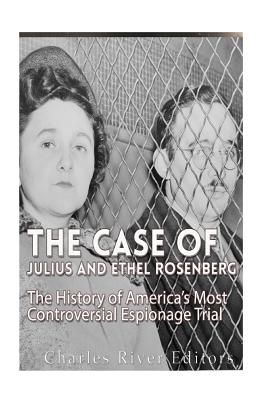
The Case of Julius and Ethel Rosenberg: The History of America's Most Controversial Espionage Trial
CASE OF JULIUS & ETHEL ROSENBE
出版日期:
2015/07/13
330
此為POD隨需印刷,是出版社高階列印輸出作品後逐本裝訂成冊,印刷及裝訂與傳統印刷品質不同,版權合法不影響閱讀。需等待21個工作天(不含例假日),建議和其他商品分開下單。
查詢門市庫存
內容簡介
*Includes pictures *Includes accounts of the trial and testimony *Includes online resources and a bibliography for further reading *Includes a table of contents "This death sentence is not surprising. It had to be. There had to be a Rosenberg case, because there had to be an intensification of the hysteria in America to make the Korean War acceptable to the American people. There had to be hysteria and a fear sent through America in order to get increased war budgets. And there had to be a dagger thrust in the heart of the left to tell them that you are no longer gonna get five years for a Smith Act prosecution or one year for contempt of court, but we're gonna kill ya " - Julius Rosenberg In 1947, President Truman had tried to assure Americans, "I am not worried about the Communist Party taking over the Government of the United States, but I am against a person, whose loyalty is not to the Government of the United States, holding a Government job. They are entirely different things. I am not worried about this country ever going Communist. We have too much sense for that." Nonetheless, shortly after World War II, Congress' House Committee on Un-American Activities began investigating Americans across the country for suspected ties to Communism. The most famous victims of these witch hunts were Hollywood actors, such as Charlie Chaplin, whose "Un-American activity" was being neutral at the beginning of World War II, but at the beginning of the Cold War, America was gripped by the Red Scare. The Red Scare would reach a fever pitch after Wisconsin Senator Joseph McCarthy made waves in 1950 by telling the Republican Women's Club in Wheeling, West Virginia that he had a list of dozens of known Communists working in the State Department. The political theater helped Senator McCarthy become the prominent anti-Communist crusader in the government, and McCarthy continued to claim he held evidence suggesting Communist infiltration throughout the government, but anytime he was pressed to produce his evidence, McCarthy would not name names. Instead, he'd accuse those who questioned his evidence of being Communists themselves. The case of Alger Hiss and the rise of McCarthyism were undoubtedly instrumental in the way that one of the most notorious cases in American history unfolded in the early 1950s. After years of keeping tabs on Julius and Ethel Rosenberg, the two Communist sympathizers were indicted on charges of treason and conspiracy to commit espionage for passing off secrets about the atomic bomb to the Soviet Union. In the context of the Cold War and the Korean War, there could hardly be more serious charges, but the couple strenuously asserted their innocence, even after they were implicated by Ethel's own brother, David Greenglass. Throughout the trial and its aftermath, many Americans believed the Rosenbergs were innocent and/or were facing an unduly harsh death sentence. Indeed, authorities had hoped to wring confessions out of the two by threatening them with the chair, but they held steadfast all the way up until their executions on June 19, 1953. In the over 60 years since, there has been plenty of debate over whether the two of them were guilty, and, if so, what the extent of their espionage was. While historians have used declassified documents and memoirs of involved individuals to reach the widespread belief that Julius Rosenberg did commit espionage, there is still a lot of doubt regarding Ethel's involvement, and scholars still debate just what Julius may have sent the Soviets. The mystery and intrigue still surrounding the case, trial, and executions continue to fascinate people and generate plenty of ongoing speculation. The Case of Julius and Ethel Rosenberg: The History of America's Most Controversial Espionage Trial chronicles the events that led to the infamous trial and execution of the Rosenbergs.
規格
誠品貨碼 /
ISBN13 / 9781515069676
ISBN10 /
EAN貨碼 / 9781515069676
裝訂 / P:平裝
頁數 / 50
語言 / 3:英文
級別 / N:無
尺寸 / 22.9X15.2X0.3CM
重量(g) / 81.6
退貨說明
退貨須知:
- 依照消費者保護法的規定,您享有商品貨到次日起七天猶豫期(含例假日)的權益(請注意!猶豫期非試用期),辦理退貨之商品必須是全新狀態(不得有刮傷、破損、受潮)且需完整(包含全部商品、配件、原廠內外包裝、贈品及所有附隨文件或資料的完整性等)。
- 請您以送貨廠商使用之包裝紙箱將退貨商品包裝妥當,若原紙箱已遺失,請另使用其他紙箱包覆於商品原廠包裝之外,切勿直接於原廠包裝上黏貼紙張或書寫文字。若原廠包裝損毀將可能被認定為已逾越檢查商品之必要程度,本公司得依毀損程度扣除回復原狀必要費用(整新費)後退費;請您先確認商品正確、外觀可接受,再行拆封,以免影響您的權利;若為產品瑕疵,本公司接受退貨。
依「通訊交易解除權合理例外情事適用準則」,下列商品不適用七日猶豫期,除產品本身有瑕疵外,不接受退貨:
- 易於腐敗、保存期限較短或解約時即將逾期。(如:生鮮蔬果、乳製品、冷凍冷藏食材、蛋糕)
- 依消費者要求所為之客製化給付。(如:客製印章、鋼筆刻字)
- 報紙、期刊或雜誌。
- 經消費者拆封之影音商品或電腦軟體。
- 非以有形媒介提供之數位內容或一經提供即為完成之線上服務,經消費者事先同意始提供。(如:電子書)
- 已拆封之個人衛生用品。(如:內衣褲、襪類、褲襪、刮鬍刀、除毛刀等貼身用品)
- 國際航空客運服務。
若您退貨時有下列情形,可能被認定已逾越檢查商品之必要程度而須負擔為回復原狀必要費用(整新費),或影響您的退貨權利,請您在拆封前決定是否要退貨:
- 以數位或電磁紀錄形式儲存或著作權相關之商品(包含但不限於CD、VCD、DVD、電腦軟體等) 包裝已拆封者(除運送用之包裝以外)。
- 耗材(包含但不限於墨水匣、碳粉匣、紙張、筆類墨水、清潔劑補充包等)之商品包裝已拆封者(除運送用之包裝以外)。
- 衣飾鞋類/寢具/織品(包含但不限於衣褲、鞋子、襪子、泳裝、床單、被套、填充玩具)或之商品缺件(含購買商品、附件、內外包裝、贈品等)或經剪標或下水或商品有不可回復之髒污或磨損痕跡。
- 食品、美容/保養用品、內衣褲等消耗性或個人衛生用品、商品銷售頁面上特別載明之商品已拆封者(除運送用之包裝外一切包裝、包括但不限於瓶蓋、封口、封膜等接觸商品內容之包裝部分)或已非全新狀態(外觀有刮傷、破損、受潮等)與包裝不完整(缺少商品、附件、原廠外盒、保護袋、配件紙箱、保麗龍、隨貨文件、贈品等)。
- 家電、3C、畫作、電子閱讀器等商品,除商品本身有瑕疵外,退回之商品已拆封(除運送用之包裝外一切包裝、包括但不限於封膜等接觸商品內容之包裝部分、移除封條、拆除吊牌、拆除貼膠或標籤等情形)或已非全新狀態(外觀有刮傷、破損、受潮等)與包裝不完整(缺少商品、附件、原廠外盒、保護袋、配件紙箱、保麗龍、隨貨文件、贈品等)。
- 退貨程序請參閱【客服專區→常見問題→誠品線上退貨退款】之說明。
付款/配送