防詐3要訣:不聽信、不操作、掛斷電話


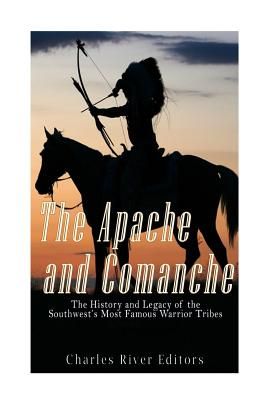
The Apache and Comanche: The History and Legacy of the Southwest's Most Famous Warrior Tribes
APACHE & COMANCHE
內容簡介
*Includes pictures From the "Trail of Tears" to Wounded Knee and Little Bighorn, the narrative of American history is incomplete without the inclusion of the Native Americans that lived on the continent before European settlers arrived in the 16th and 17th centuries. Since the first contact between natives and settlers, tribes like the Sioux, Cherokee, and Navajo have both fascinated and perplexed outsiders with their history, language, and culture. Among all the Native American tribes, the Spanish, Mexicans, and Americans learned the hard way that the warriors of the Apache were perhaps the fiercest in North America. Based in the Southwest, the Apache fought all three in Mexico and the American Southwest, engaging in seasonal raids for so many centuries that the Apache struck fear into the hearts of all their neighbors.Given the group's reputation, it's fitting that they are inextricably associated with one of their most famous leaders, Geronimo. Descendants of people killed by "hostile" Apache certainly considered warriors like Geronimo to be murderers and thieves whose cultures and societies held no redeeming values, and even today, many Americans associate the name Geronimo with a war cry. The name Geronimo actually came about because of a battle he fought against the Mexicans.Over time, however, the historical perception of the relationship between America and Native tribes changed drastically. With that, Geronimo was viewed in a far different light, as one of a number of Native American leaders who resisted the U.S. and Mexican governments when settlers began to push onto their traditional homelands. Like the majority of Native American groups, the Apache were eventually vanquished and displaced by America's westward push, and Geronimo became an icon for eluding capture for so long. On the north side of San Antonio, Texas, a stone tower sits atop a hill in a city park. Originally, the tower was manned and served to warn the residents of San Antonio of the approach of Comanche raiding parties. In Texas, the Comanche are vilified and serve as a convenient reminder of the difficulties and hardships faced and overcome by brave white settlers. In reality, the Comanche provided settlers in Texas what William S. Burroughs called "a modicum of challenge and danger." For many Texans, the word "Comanche" is still akin to a curse word.For centuries, the Comanche thrived in a territory called Comancheria, which comprised parts of eastern New Mexico, southern Colorado, northeastern Arizona, southern Kansas, Oklahoma, and some of northwest Texas. Before conflicts with white settlers began in earnest, it's been estimated that the tribe consisted of more than 40,000 members. While the Comanche are still a federally recognized nation today and live on a reservation in part of Oklahoma, they have remained a well-known tribe due to their 19th century notoriety. Indeed, the conflict between the Comanche and white settlers in the Southwest was particularly barbaric compared to other native tribes. During Comanche raids, all adult males would be killed outright, and sometimes women and children met the same fate. On many occasions, older children were taken captive and gradually adopted into the tribe, until they gradually forgot life among their white families and accepted their roles in Comanche society. Popular accounts written by whites who were captured and lived among the Comanche only brought the terror and the tribe closer to home among all Americans back east as well. The Apache and Comanche: The History and Legacy of the Southwest's Most Famous Warrior Tribes comprehensively covers the cultures and histories of the two tribes, profiling their origins and their lasting legacy. Along with pictures of important people, places, and events, you will learn about the Apache and Comanche like never before.
規格
退貨說明
退貨須知:
- 依照消費者保護法的規定,您享有商品貨到次日起七天猶豫期(含例假日)的權益(請注意!猶豫期非試用期),辦理退貨之商品必須是全新狀態(不得有刮傷、破損、受潮)且需完整(包含全部商品、配件、原廠內外包裝、贈品及所有附隨文件或資料的完整性等)。
- 請您以送貨廠商使用之包裝紙箱將退貨商品包裝妥當,若原紙箱已遺失,請另使用其他紙箱包覆於商品原廠包裝之外,切勿直接於原廠包裝上黏貼紙張或書寫文字。若原廠包裝損毀將可能被認定為已逾越檢查商品之必要程度,本公司得依毀損程度扣除回復原狀必要費用(整新費)後退費;請您先確認商品正確、外觀可接受,再行拆封,以免影響您的權利;若為產品瑕疵,本公司接受退貨。
依「通訊交易解除權合理例外情事適用準則」,下列商品不適用七日猶豫期,除產品本身有瑕疵外,不接受退貨:
- 易於腐敗、保存期限較短或解約時即將逾期。(如:生鮮蔬果、乳製品、冷凍冷藏食材、蛋糕)
- 依消費者要求所為之客製化給付。(如:客製印章、鋼筆刻字)
- 報紙、期刊或雜誌。
- 經消費者拆封之影音商品或電腦軟體。
- 非以有形媒介提供之數位內容或一經提供即為完成之線上服務,經消費者事先同意始提供。(如:電子書)
- 已拆封之個人衛生用品。(如:內衣褲、襪類、褲襪、刮鬍刀、除毛刀等貼身用品)
- 國際航空客運服務。
若您退貨時有下列情形,可能被認定已逾越檢查商品之必要程度而須負擔為回復原狀必要費用(整新費),或影響您的退貨權利,請您在拆封前決定是否要退貨:
- 以數位或電磁紀錄形式儲存或著作權相關之商品(包含但不限於CD、VCD、DVD、電腦軟體等) 包裝已拆封者(除運送用之包裝以外)。
- 耗材(包含但不限於墨水匣、碳粉匣、紙張、筆類墨水、清潔劑補充包等)之商品包裝已拆封者(除運送用之包裝以外)。
- 衣飾鞋類/寢具/織品(包含但不限於衣褲、鞋子、襪子、泳裝、床單、被套、填充玩具)或之商品缺件(含購買商品、附件、內外包裝、贈品等)或經剪標或下水或商品有不可回復之髒污或磨損痕跡。
- 食品、美容/保養用品、內衣褲等消耗性或個人衛生用品、商品銷售頁面上特別載明之商品已拆封者(除運送用之包裝外一切包裝、包括但不限於瓶蓋、封口、封膜等接觸商品內容之包裝部分)或已非全新狀態(外觀有刮傷、破損、受潮等)與包裝不完整(缺少商品、附件、原廠外盒、保護袋、配件紙箱、保麗龍、隨貨文件、贈品等)。
- 家電、3C、畫作、電子閱讀器等商品,除商品本身有瑕疵外,退回之商品已拆封(除運送用之包裝外一切包裝、包括但不限於封膜等接觸商品內容之包裝部分、移除封條、拆除吊牌、拆除貼膠或標籤等情形)或已非全新狀態(外觀有刮傷、破損、受潮等)與包裝不完整(缺少商品、附件、原廠外盒、保護袋、配件紙箱、保麗龍、隨貨文件、贈品等)。
- 退貨程序請參閱【客服專區→常見問題→誠品線上退貨退款】之說明。