防詐3要訣:不聽信、不操作、掛斷電話

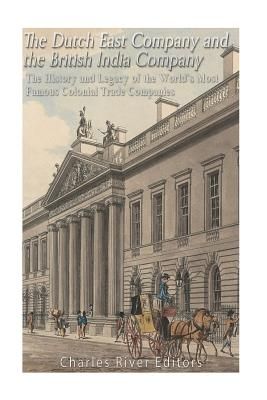
The Dutch East India Company and British East India Company: The History and Legacy of the World's Most Famous Colonial Trade Companies
DUTCH EAST INDIA COMPANY & BRI
內容簡介
*Includes pictures *Includes contemporary accounts of the companies *Includes a bibliography for further reading From classic grilled meat to exotic and savory 5-star dishes, pepper has long been the ultimate staple spice. While bulk pepper may be readily stocked in supermarkets and convenience stores today, there was once a time when the common spice was considered one of the most valuable commodities in the world. Merchants tripped over one another to get their hands on the tiny black beads, which live in colorful clusters of berry-like shells reminiscent of Christmas lights. They were so precious that an uncountable number of men crossed the turbulent and uncharted seas for them. In fact, the tropical spice was so highly sought after that blood was shed over the edible gold. To many, the mention of maritime merchants evokes an imagery of growling pirates donned in their stereotypical hats and a colorful parrot perched upon their shoulders. These nautical rascals wander the high seas in search of treasure and adventure. Though that imagery may be inaccurate, the real life companies that once dominated international waters operated on a similar thirst for conquest and riches. Perhaps the most famous - or as many would put it, infamous - of these naval corporations was the Dutch East India Company, also known as VOC. Established around the beginning of the 17th century, this nautical behemoth of a corporation was determined to squeeze everyone else out of the market. Vested with the power to wage war and exterminate any who dared stand in their way, the rest of the world stood by as the unstoppable force took over the whole of international maritime trade. The company would crush its opponents on the way to the top, establishing a monopoly on the global spice trade that would not only rock the world but forever change the course of modern business history. The British East India Company served as one of the key players in the formation of the British Empire. From its origins as a trading company struggling to keep up with its superior Dutch, Portuguese, and Spanish competitors to its tenure as the ruling authority of the Indian subcontinent to its eventual hubristic downfall, the East India Company serves as a lens through which to explore the much larger economic and social forces that shaped the formation of a global British Empire. As a private company that became a non-state global power in its own right, the East India Company also serves as a cautionary tale all too relevant to the modern world's current political and economic situation. Beyond its obvious influence in areas like trade and commerce, the East India Company also served as a point of cultural contact between Western Europeans, South Asians, and East Asians. Quintessentially British practices such as tea drinking were made possible by East India Company trade. The products and cultural practices traveling back and forth on East India Company ships from one continent to another also reconfigured the way societies around the globe viewed sexuality, gender, class, and labor. On a much darker level, the East India Company fueled white supremacy and European concepts of Orientalism (See Said, Orientalism). One of the major reasons that the East India Company remains the subject of intense interest is that the consequences of its influence remain visible in India, Britain, and other parts of the world to this day. While the British Crown eventually replaced the East India Company as the governing authority of India, the systems of production they had established remained intact. More than half a century after India declared independence from the British Empire, the economic and cultural effects of this colonial system of production remained apparent. The disparities in wealth and power between the Global North and the Global South may not stem from the East India Company alone, but the company played an indisputable role in imperial processes.
規格
退貨說明
退貨須知:
- 依照消費者保護法的規定,您享有商品貨到次日起七天猶豫期(含例假日)的權益(請注意!猶豫期非試用期),辦理退貨之商品必須是全新狀態(不得有刮傷、破損、受潮)且需完整(包含全部商品、配件、原廠內外包裝、贈品及所有附隨文件或資料的完整性等)。
- 請您以送貨廠商使用之包裝紙箱將退貨商品包裝妥當,若原紙箱已遺失,請另使用其他紙箱包覆於商品原廠包裝之外,切勿直接於原廠包裝上黏貼紙張或書寫文字。若原廠包裝損毀將可能被認定為已逾越檢查商品之必要程度,本公司得依毀損程度扣除回復原狀必要費用(整新費)後退費;請您先確認商品正確、外觀可接受,再行拆封,以免影響您的權利;若為產品瑕疵,本公司接受退貨。
依「通訊交易解除權合理例外情事適用準則」,下列商品不適用七日猶豫期,除產品本身有瑕疵外,不接受退貨:
- 易於腐敗、保存期限較短或解約時即將逾期。(如:生鮮蔬果、乳製品、冷凍冷藏食材、蛋糕)
- 依消費者要求所為之客製化給付。(如:客製印章、鋼筆刻字)
- 報紙、期刊或雜誌。
- 經消費者拆封之影音商品或電腦軟體。
- 非以有形媒介提供之數位內容或一經提供即為完成之線上服務,經消費者事先同意始提供。(如:電子書)
- 已拆封之個人衛生用品。(如:內衣褲、襪類、褲襪、刮鬍刀、除毛刀等貼身用品)
- 國際航空客運服務。
若您退貨時有下列情形,可能被認定已逾越檢查商品之必要程度而須負擔為回復原狀必要費用(整新費),或影響您的退貨權利,請您在拆封前決定是否要退貨:
- 以數位或電磁紀錄形式儲存或著作權相關之商品(包含但不限於CD、VCD、DVD、電腦軟體等) 包裝已拆封者(除運送用之包裝以外)。
- 耗材(包含但不限於墨水匣、碳粉匣、紙張、筆類墨水、清潔劑補充包等)之商品包裝已拆封者(除運送用之包裝以外)。
- 衣飾鞋類/寢具/織品(包含但不限於衣褲、鞋子、襪子、泳裝、床單、被套、填充玩具)或之商品缺件(含購買商品、附件、內外包裝、贈品等)或經剪標或下水或商品有不可回復之髒污或磨損痕跡。
- 食品、美容/保養用品、內衣褲等消耗性或個人衛生用品、商品銷售頁面上特別載明之商品已拆封者(除運送用之包裝外一切包裝、包括但不限於瓶蓋、封口、封膜等接觸商品內容之包裝部分)或已非全新狀態(外觀有刮傷、破損、受潮等)與包裝不完整(缺少商品、附件、原廠外盒、保護袋、配件紙箱、保麗龍、隨貨文件、贈品等)。
- 家電、3C、畫作、電子閱讀器等商品,除商品本身有瑕疵外,退回之商品已拆封(除運送用之包裝外一切包裝、包括但不限於封膜等接觸商品內容之包裝部分、移除封條、拆除吊牌、拆除貼膠或標籤等情形)或已非全新狀態(外觀有刮傷、破損、受潮等)與包裝不完整(缺少商品、附件、原廠外盒、保護袋、配件紙箱、保麗龍、隨貨文件、贈品等)。
- 退貨程序請參閱【客服專區→常見問題→誠品線上退貨退款】之說明。