2026世界新聞攝影獎年鑑【封面故事:移民】
世界新聞攝影獎2026:用影像見證世界
集結來自141個國家、3,747位攝影師、57,376件參賽作品精選,收錄2026年度最重要的新聞攝影與紀實影像。
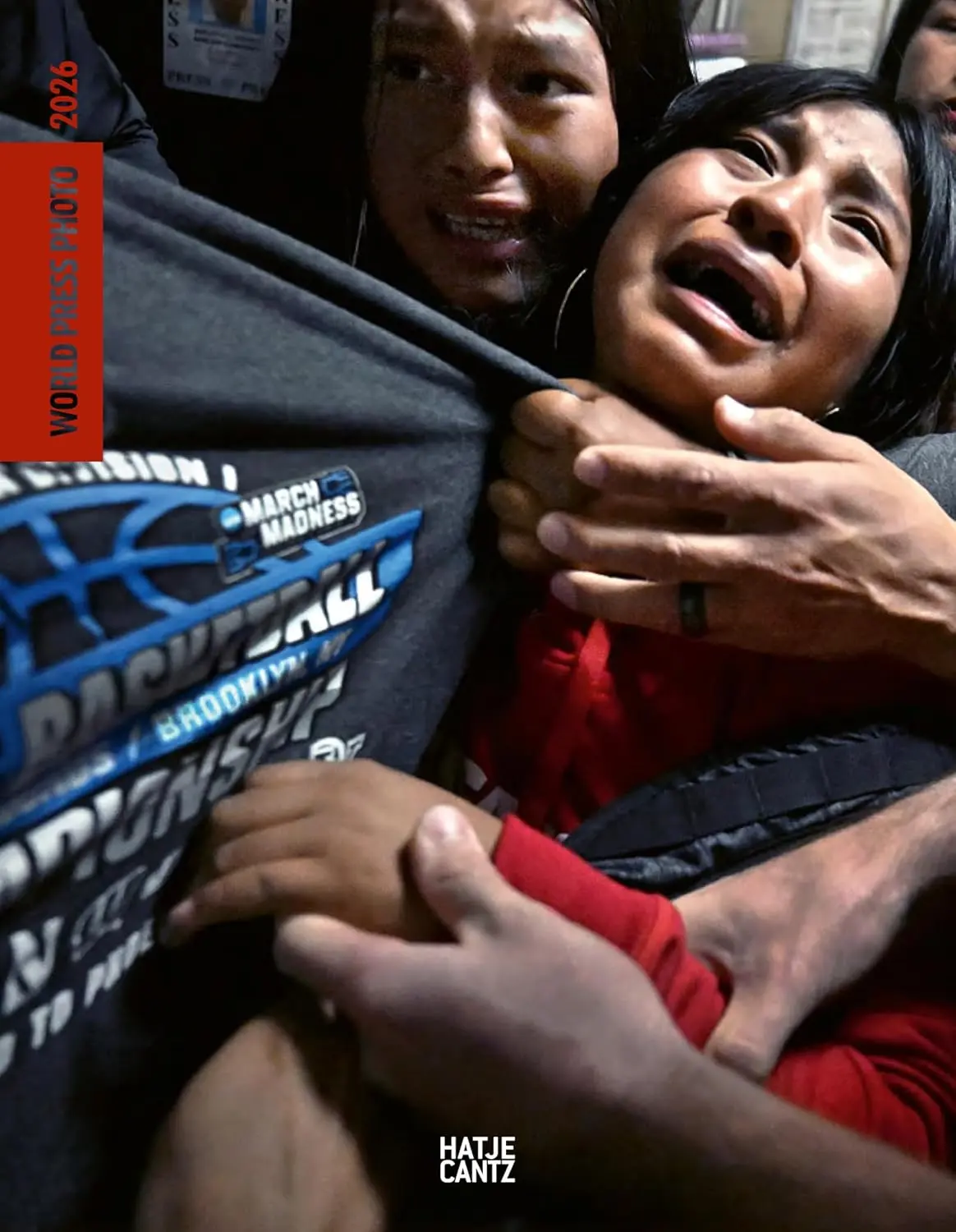
七十餘年來,世界新聞攝影獎持續表彰全球最傑出的新聞與紀實攝影作品。《世界新聞攝影年鑑2026》精選來自141個國家、3,747位攝影師的年度得獎影像,呈現全球重大事件、被忽略的人物故事,以及衝突、危機、韌性與文化傳承等多元視角。年度照片〈Separated by ICE〉亦收錄其中,以震撼畫面見證時代的重要瞬間。
2026年度照片〈Separated by ICE〉,記錄了一個家庭在美國移民執法下被迫分離的瞬間。攝影師卡蘿.古茲(Carol Guzy)長期守候於少數開放拍攝的聯邦法院,捕捉移民在依法出庭後遭拘留的真實現場。這不僅是一個家庭的悲劇,更是制度性移民政策的見證,以影像提醒世人:新聞攝影不只是記錄歷史,更是追問權力與人性的證據。
Independent photojournalism and documentary pho tography are indispensable tools of political education for a democratic society play an essential role in shaping public opinion―especially in our so-called “post-factual” era. In recognition of this, the independent nonprofit organization World Press Photo Foundation, based in Amsterdam, has been presenting the World Press Photo Award for the best photo, the best story, the best long term project of the year for more than six decades. The winning images in the various categories tell bold sto ries and provide invaluable insights into the state of our world. The award-winning photos will be announced at the same time as the book launch and presented in a PHotogrApHY WORLD PRESS PHOTO YEARBOOK 2025 traveling exhibition. So it is and remains extremely excit ing to see which works will be selected from thousands of submissions―and, of course, which photo will be the actual cover illustration!

 防詐3要訣:不聽信、不操作、掛斷電話














![Dogs of the World: A Gallery of Pups from Purebreds to Mutts [A Dog Breed Book]](https://s2.eslite.com/unsafe/fit-in/x375/s.eslite.com/upload/product_ean/9781984862006/o/9781984862006.jpg)