防詐3要訣:不聽信、不操作、掛斷電話



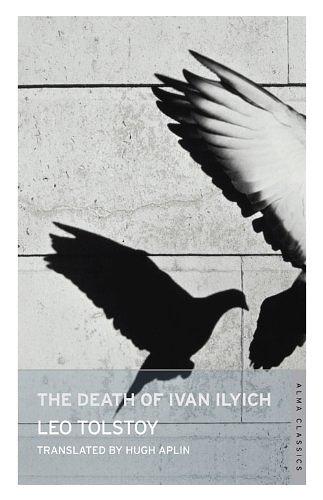
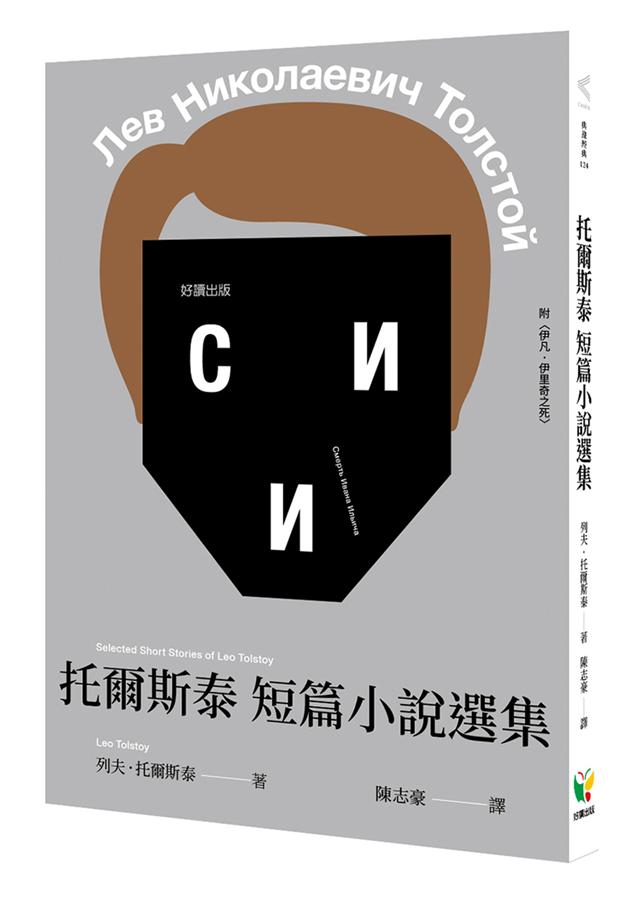
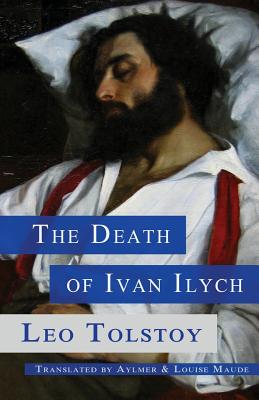
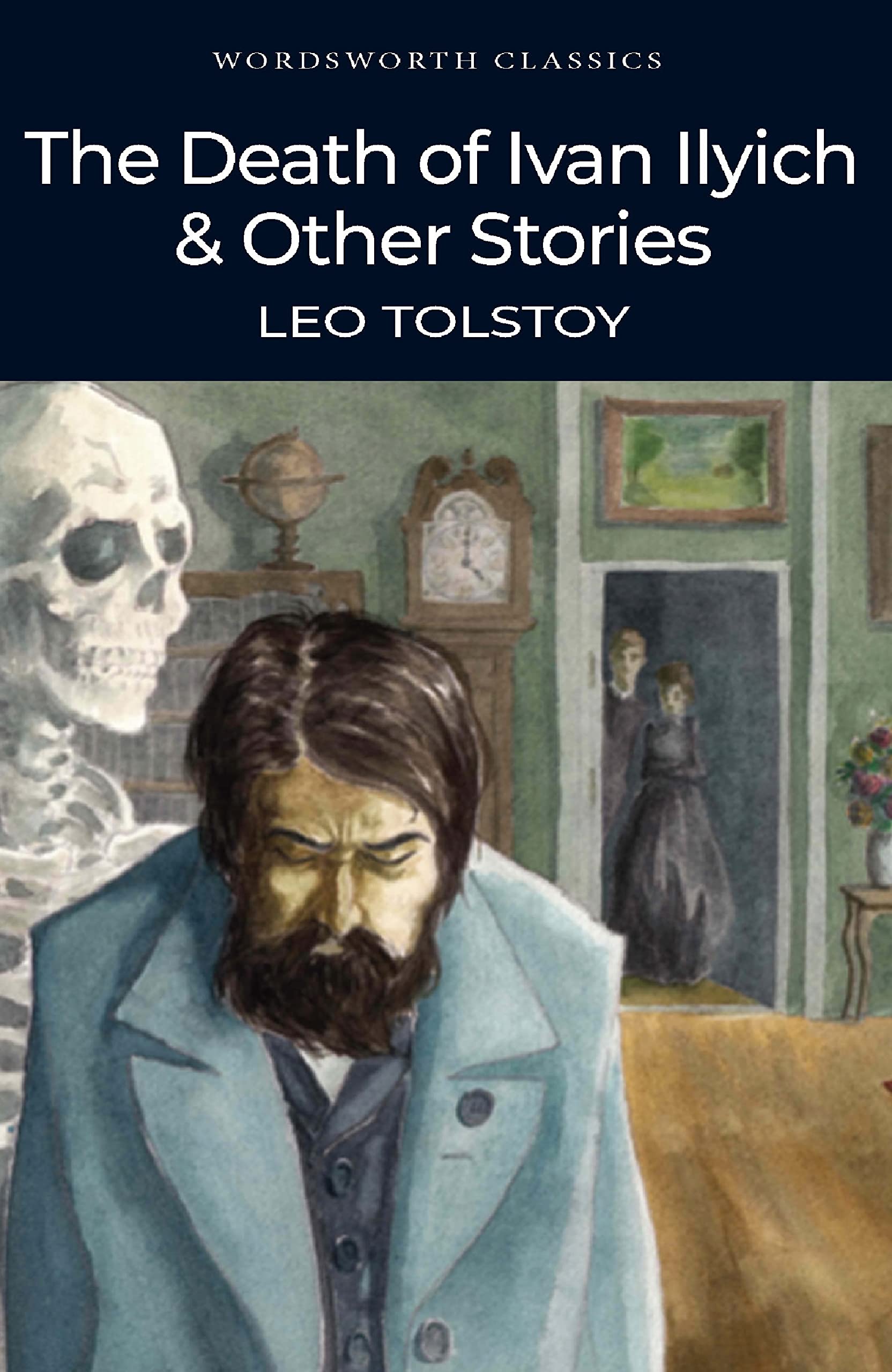
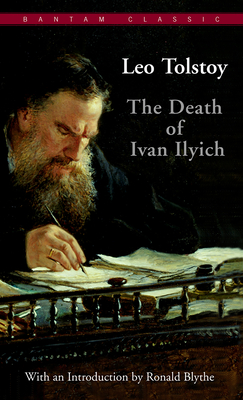
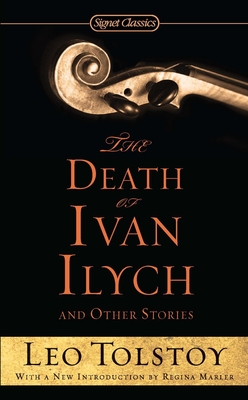
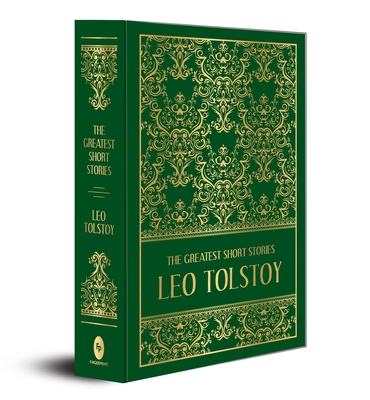
The Death of Ivan Ilyich: (Mockingbird Classics Deluxe Edition)
DEATH OF IVAN ILYICH
內容簡介
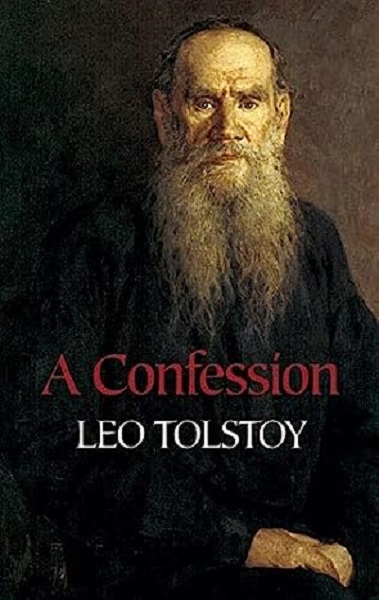
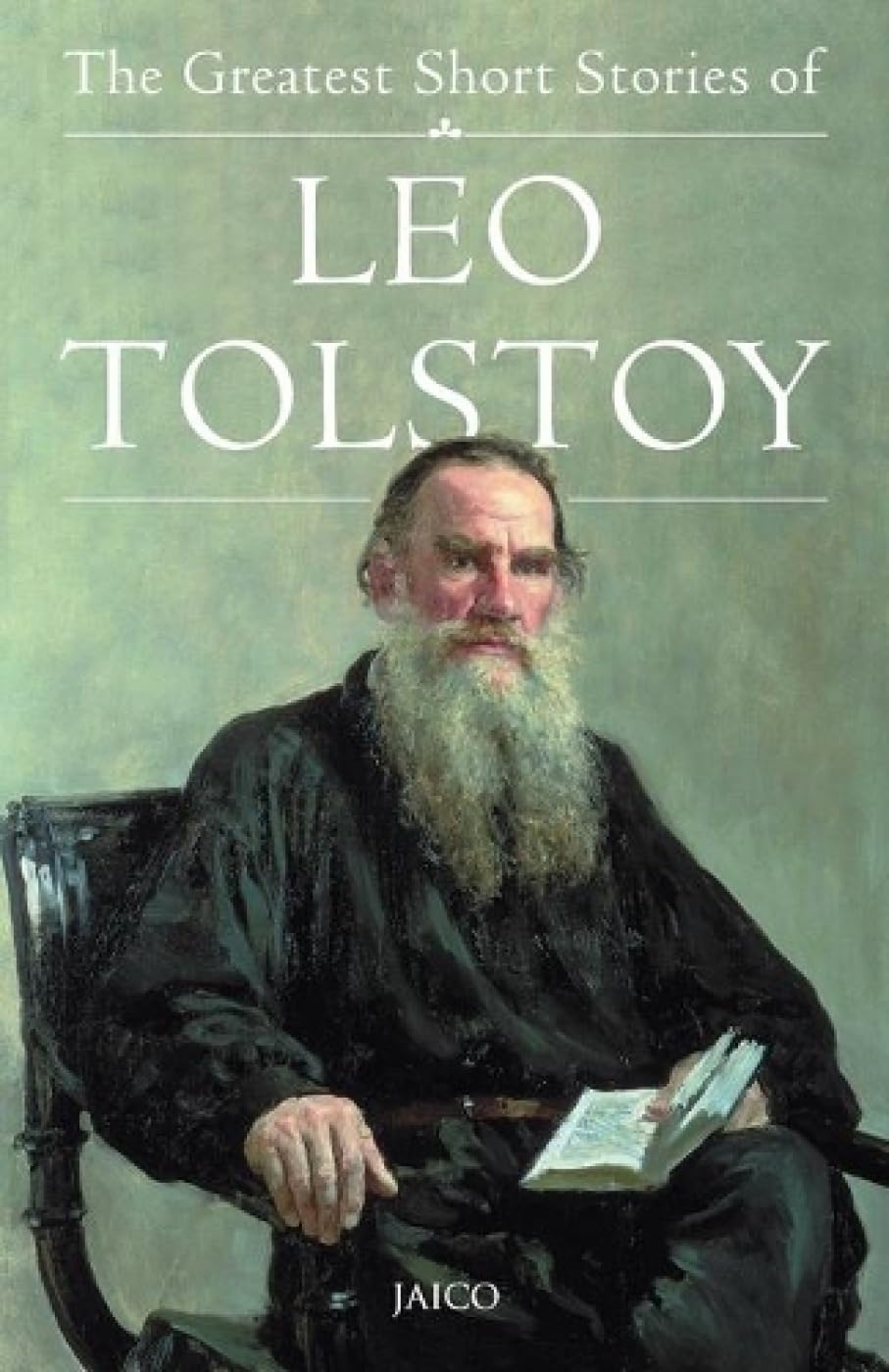
The Death of Ivan Ilyich Leo Tolstoy (1828 - 1910) The Death of Ivan Ilyich, first published in 1886, is a novella by Leo Tolstoy, one of the masterpieces of his late fiction, written shortly after his religious conversion of the late 1870s. The novella tells the story of the death of a high-court judge in 19th-century Russia. Interpretation In his article of 1997, psychologist Mark Freeman writes: Tolstoy's book is about many things: the tyranny of bourgeois niceties, the terrible weak spots of the human heart, the primacy and elision of death. But more than anything, I would offer, it is about the consequences of living without meaning, that is, without a true and abiding connection to one's life ... Indeed, the mundane portrayal of Ivan's life coupled with the dramatization of his long and grueling battle with death seems to directly reflect Tolstoy's theories about moral living, which he largely derived during his sabbatical from personal and professional duties in 1877. In his lectures on Russian literature, Russian-born novelist and critic Vladimir Nabokov argues that, for Tolstoy, a sinful life (such as Ivan's) is moral death. Therefore death, the return of the soul to God, is, for Tolstoy, moral life. To quote Nabokov: "The Tolstoyan formula is: Ivan lived a bad life and since the bad life is nothing but the death of the soul, then Ivan lived a living death; and since beyond death is God's living light, then Ivan died into a new life - Life with a capital L." The Death of Ivan Ilyich, therefore, is more than a story about death. Death permeates the narrative in a realistic and absorbing fashion but, interestingly enough, the actual physicality of death is only passively mentioned in the early chapters during Ivan's wake. Instead, the story leads the reader through a pensive, metaphysical exploration of the reason for death and what it means to truly live. Tolstoy was a man who struggled greatly with self-doubt and spiritual reflection, especially as he grew close to his own death in 1910. In his book, A Confession, Tolstoy writes: No matter how often I may be told, "You cannot understand the meaning of life so do not think about it, but live," I can no longer do it: I have already done it too long. I cannot now help seeing day and night going round and bringing me to death. That is all I see, for that alone is true. All else is false. This personal epiphany caused significant spiritual upheaval in Tolstoy's life, prompting him to question the Russian Orthodox Church, sexuality, education, serfdom, etc. The literature Tolstoy composed during this period can be considered some of his most controversial and philosophical, among which falls The Death of Ivan Ilyich and other famous short stories such as The Kreutzer Sonata and The Devil. From a biographical standpoint, therefore, it is possible to interpret The Death of Ivan Ilyich as a manifestation of Tolstoy's embroilment with death and the meaning of his own life during his final years. In other words, by dramatizing a particular sort of lifestyle and its unbearable decline, Tolstoy is able to impart his philosophy that success, such as Ivan Ilyich's, comes at a great moral cost and if one decides to pay this cost, life will become hollow and insincere and therefore worse than death. German philosopher Martin Heidegger refers to the novella in his book Being and Time (1927) as an illustration of Being towards death.
作者介紹
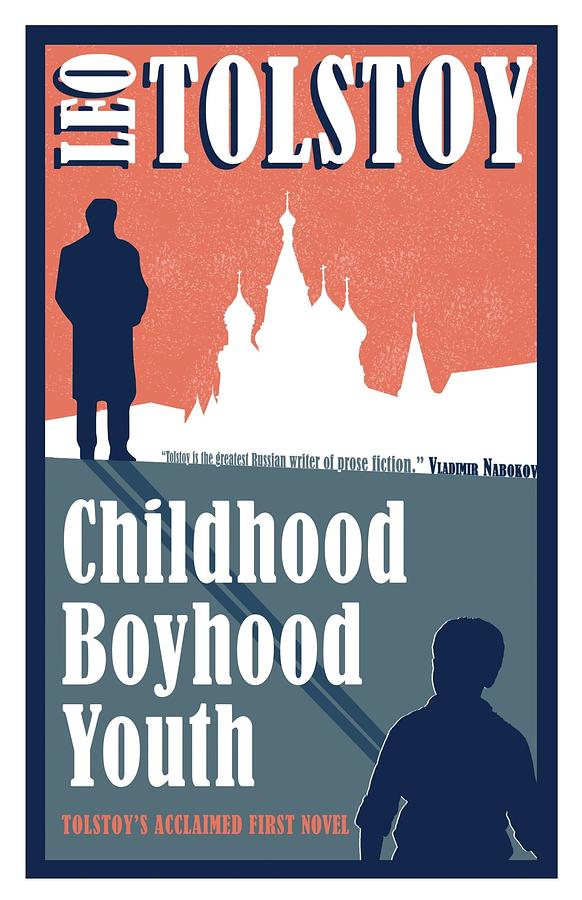
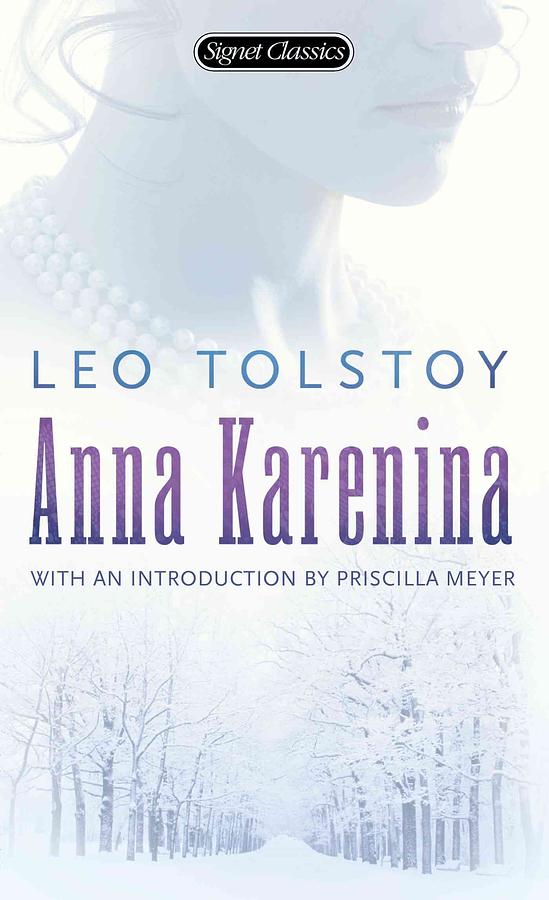
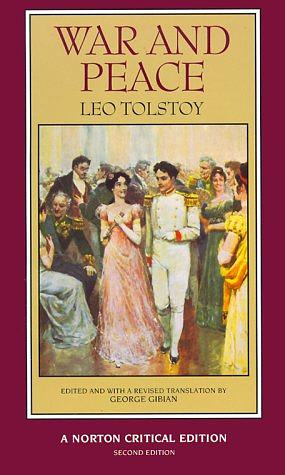
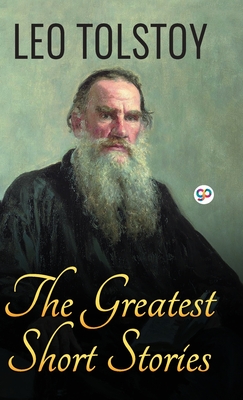
Leo Tolstoy is widely recognized as one of the greatest of all novelists, particularly noted for his masterpieces War and Peace and Anna Karenina; in their scope, breadth and realistic depiction of Russian life, the two books stand at the peak of realistic fiction.br
As a moral philosopher he was notable for his ideas on nonviolent resistance through his work The Kingdom of God is Within You, which in turn influenced such twentieth-century figures as Mahatma Gandhi and Martin Luther King.
規格
退貨說明
退貨須知:
- 依照消費者保護法的規定,您享有商品貨到次日起七天猶豫期(含例假日)的權益(請注意!猶豫期非試用期),辦理退貨之商品必須是全新狀態(不得有刮傷、破損、受潮)且需完整(包含全部商品、配件、原廠內外包裝、贈品及所有附隨文件或資料的完整性等)。
- 請您以送貨廠商使用之包裝紙箱將退貨商品包裝妥當,若原紙箱已遺失,請另使用其他紙箱包覆於商品原廠包裝之外,切勿直接於原廠包裝上黏貼紙張或書寫文字。若原廠包裝損毀將可能被認定為已逾越檢查商品之必要程度,本公司得依毀損程度扣除回復原狀必要費用(整新費)後退費;請您先確認商品正確、外觀可接受,再行拆封,以免影響您的權利;若為產品瑕疵,本公司接受退貨。
依「通訊交易解除權合理例外情事適用準則」,下列商品不適用七日猶豫期,除產品本身有瑕疵外,不接受退貨:
- 易於腐敗、保存期限較短或解約時即將逾期。(如:生鮮蔬果、乳製品、冷凍冷藏食材、蛋糕)
- 依消費者要求所為之客製化給付。(如:客製印章、鋼筆刻字)
- 報紙、期刊或雜誌。
- 經消費者拆封之影音商品或電腦軟體。
- 非以有形媒介提供之數位內容或一經提供即為完成之線上服務,經消費者事先同意始提供。(如:電子書)
- 已拆封之個人衛生用品。(如:內衣褲、襪類、褲襪、刮鬍刀、除毛刀等貼身用品)
- 國際航空客運服務。
若您退貨時有下列情形,可能被認定已逾越檢查商品之必要程度而須負擔為回復原狀必要費用(整新費),或影響您的退貨權利,請您在拆封前決定是否要退貨:
- 以數位或電磁紀錄形式儲存或著作權相關之商品(包含但不限於CD、VCD、DVD、電腦軟體等) 包裝已拆封者(除運送用之包裝以外)。
- 耗材(包含但不限於墨水匣、碳粉匣、紙張、筆類墨水、清潔劑補充包等)之商品包裝已拆封者(除運送用之包裝以外)。
- 衣飾鞋類/寢具/織品(包含但不限於衣褲、鞋子、襪子、泳裝、床單、被套、填充玩具)或之商品缺件(含購買商品、附件、內外包裝、贈品等)或經剪標或下水或商品有不可回復之髒污或磨損痕跡。
- 食品、美容/保養用品、內衣褲等消耗性或個人衛生用品、商品銷售頁面上特別載明之商品已拆封者(除運送用之包裝外一切包裝、包括但不限於瓶蓋、封口、封膜等接觸商品內容之包裝部分)或已非全新狀態(外觀有刮傷、破損、受潮等)與包裝不完整(缺少商品、附件、原廠外盒、保護袋、配件紙箱、保麗龍、隨貨文件、贈品等)。
- 家電、3C、畫作、電子閱讀器等商品,除商品本身有瑕疵外,退回之商品已拆封(除運送用之包裝外一切包裝、包括但不限於封膜等接觸商品內容之包裝部分、移除封條、拆除吊牌、拆除貼膠或標籤等情形)或已非全新狀態(外觀有刮傷、破損、受潮等)與包裝不完整(缺少商品、附件、原廠外盒、保護袋、配件紙箱、保麗龍、隨貨文件、贈品等)。
- 退貨程序請參閱【客服專區→常見問題→誠品線上退貨退款】之說明。