防詐3要訣:不聽信、不操作、掛斷電話




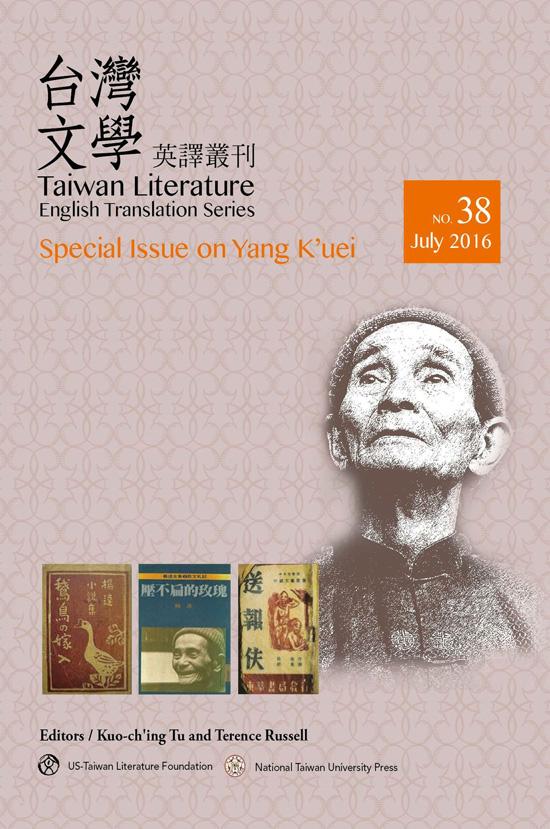
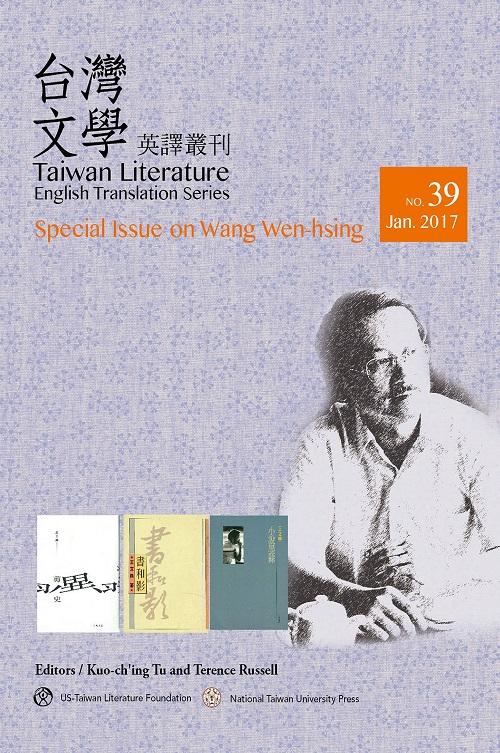
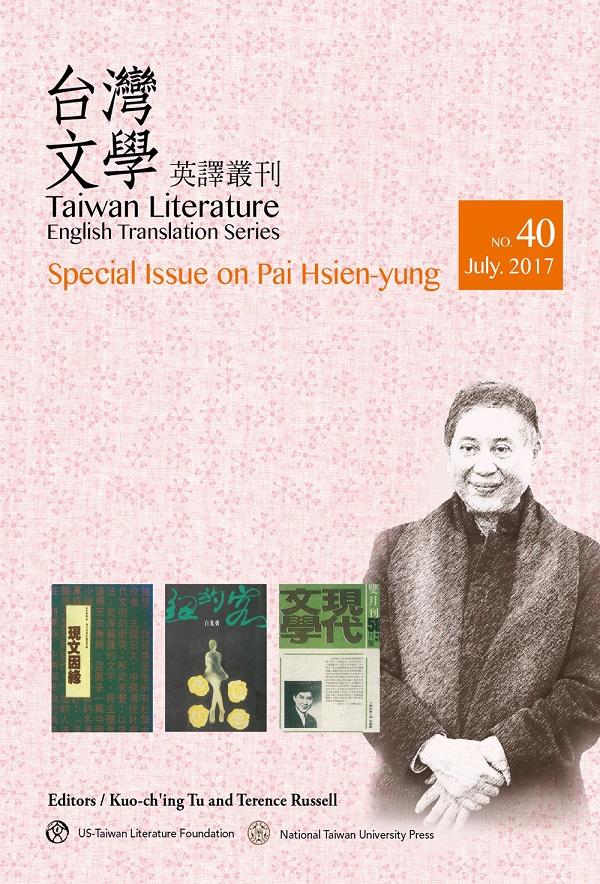
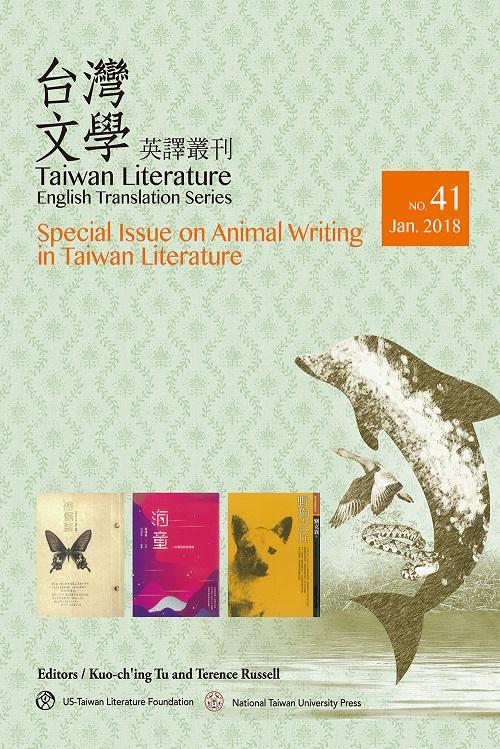
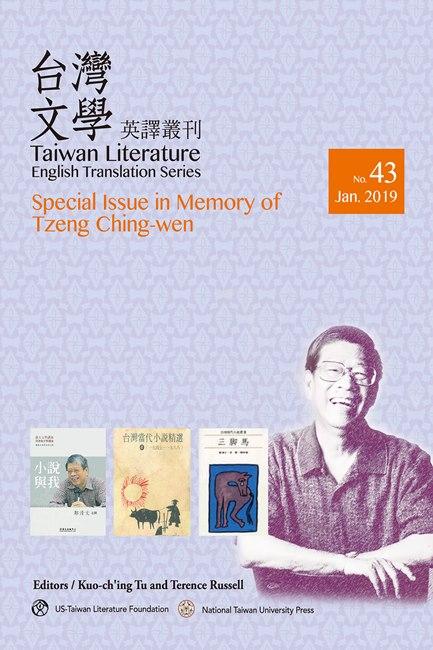
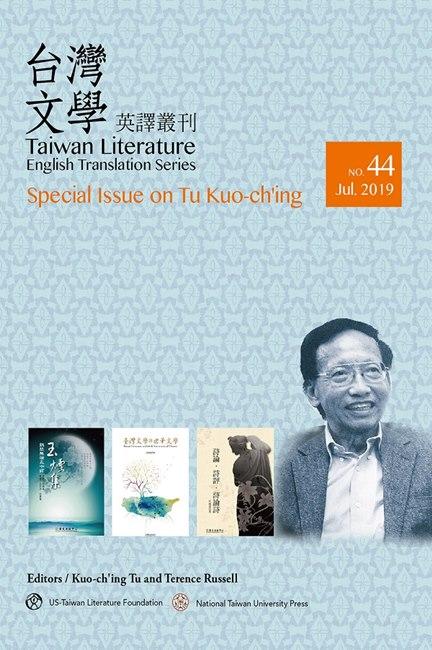
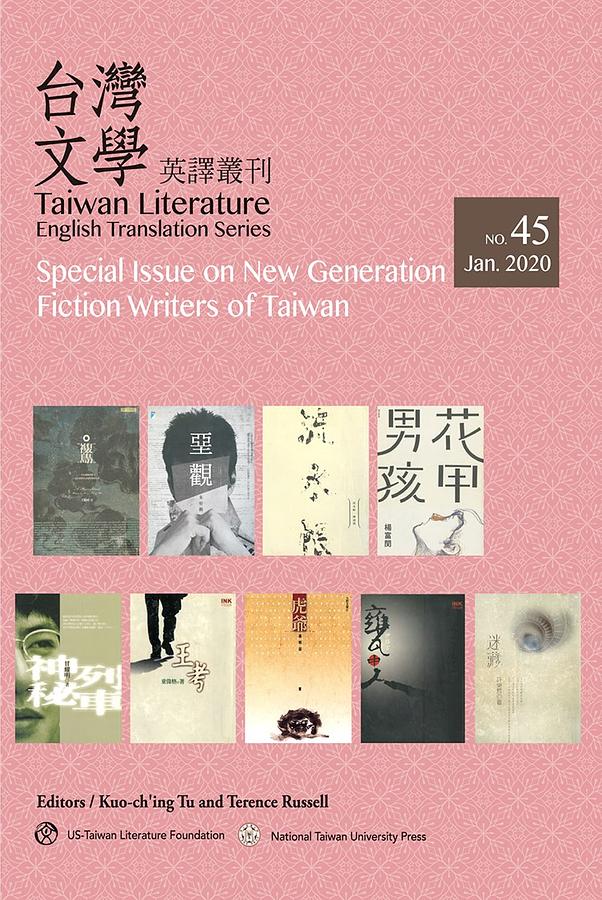
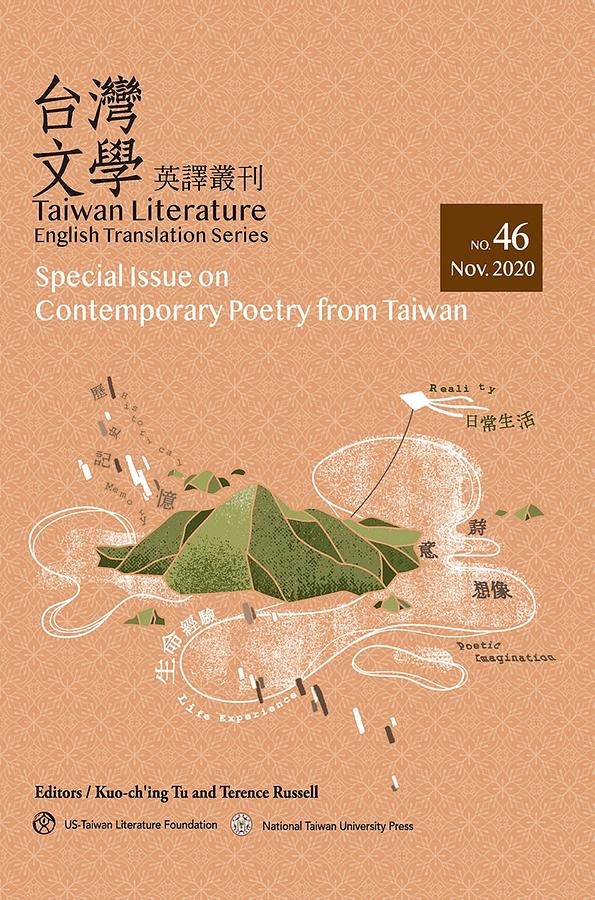
Taiwan Literature English Translation Series (No.47): Special Issue on Classical Poetry from Taiwan
台灣文學英譯叢刊 (No.47): 台灣古典詩歌專輯
出版社:
出版日期:
2021/05/24
9
450405
查詢門市庫存
本輯還有特地請黃教授撰寫一篇導論〈詩說台灣.說台灣詩〉,簡述台灣古典詩發展的歷史背景和主要特色。另一篇是黃教授撰寫的學術論文,〈實踐與轉化:日治時代臺灣傳統詩社的現代性體驗〉(摘譯)。
內容簡介
Apart from “new poetry” composed in the vernacular language, the tradition of classical poetry originating in China has also been maintained in Taiwan. We cannot ignore the fact that those poets who continued to compose classical verse, as well as the activities of their poetry societies, are yet another aspect of the diversity of Chinese-language poetic development in Taiwan which at the same time has unique local characteristics.
Professor Huang's organization of the issue includes an introductory essay, entitled “Poems that Speak of Taiwan—Speaking of Taiwan Poetry” in which she gives a brief summary of the historical background and special character of the development of classical poetry in Taiwan.
According to her careful plan, Professor Huang divided the poems translated for this special edition into six thematic sections:
1) Taiwan and Taiwanese in the Interstices of History (6 poems)
2) Crossing the Ocean to Taiwan, Putting Down Roots that Grow Along with Chinese Culture (5 poems)
3) Poems on the Aesthetics of Natural Landscape Scenery (6 poems)
4) Climate, Natural Resources, and Food (6 poems)
5) Folk Customs, Festivals, and Sacrificial Ceremony (4 poems)
6) Poems Expressing Emotions, Sentiments and Criticisms (7 poems)
In the poetry selected for this issue we see the rich, expansive content of classical Chinese verse from Taiwan. That verse manifests the responses of Taiwanese poets to their times, to nature, to places and to people. It also reflects the many faces of Taiwan's specific temporal and geographical background through depictions of local experiences and the local spirit.
台灣詩歌的發展,除了以白話文創作的新詩之外,還有繼承中國古典詩歌傳統、延續不絕的古典詩歌創作者及其詩社活動,呈現出台灣漢詩發展的多樣性,同時又有其在地特色。
在黃美娥教授的策劃下,這一專輯的內容,除了詩選以外,本輯還有特地請黃教授撰寫一篇導論〈詩說台灣.說台灣詩〉,簡述台灣古典詩發展的歷史背景和主要特色。另一篇是黃教授撰寫的學術論文,〈實踐與轉化:日治時代臺灣傳統詩社的現代性體驗〉(摘譯)。關於詩選,共選31家,34首,根據題材,分成6個主題,以呈現台灣古典漢詩的特色。在題材上,反映社會和生活的開闊性和呼應歷史和時代的現代性。
產品目錄
Foreword to the Special Issue on Classical Poetry from Taiwan/Kuo-ch’ing Tu
「台灣古典詩歌專輯」卷頭語/杜國清
Poems that Speak of Taiwan—Speaking of Taiwan Poetry/Huang Mei-e
詩說台灣.說台灣詩/黃美娥
Essays
Practice and Transformation: The Experience of Modernity in Classical Poetry Societies in Taiwan During the Period of Japanese Rule (Excepts)/Huang Mei-e
Poetry
I. Taiwan and Taiwanese in the Interstices of History 歷史夾縫中的台灣與台灣人
Zheng Chenggong 鄭成功(1624–1662)
Reclaiming Taiwan 復臺
Zheng Jing 鄭經(1642–1681)
When an Emissary of the Manchu Chieftain Came We Said That We Would Not Return Ashore and We Would Not Change Our Clothing. I Expressed my Anger in Verse. 滿酋使來有不登岸不易服之說憤而賦之
Qiu Fengjia 丘逢甲(1864–1912)
Departing Taiwan —The First of Six 離臺詩 六之一
Spring Sorrow 春愁.
Lin Xiantang 林獻堂(1881–1956)
Echoing Wenfang’s Rhyme from “An Elegant Gathering on a Winter’s Day” 步文芳君冬日雅集原韻
Tai Jingnong 臺靜農(1902–1990)
Growing Old 老去
II. Crossing the Ocean to Taiwan, Putting Down Roots that Grow Along With Chinese Culture 渡海來台、落地生根與漢文化開展
Xu Fuyuan 徐孚遠(1600–1665)
Song of Dongning 東寧詠
Lian Heng 連橫(1878–1936)
Songs to History—Number 117 of 130—Chen Yonghua 詠史一百三十首之一百一十七—陳永華
Qiu Fengjia 丘逢甲(1864–1912)
Lyrics on Taiwan’s Bamboo Stems—Number One of Forty 臺灣竹枝詞 四十首之一
Shi Shiji 施士洁(1856–1922)
A Short Respite in Fangli Village 房裏莊小憩.
Yan Hushan 顏笏山(1872–1944)
Inspired by a Visit to the Confucian Temple in Taipei 謁台北文廟感賦
III. Poems on the Aesthetics of Natural Landscape Scenery 自然山川與景觀審美
Yu Yonghe 郁永河(1645–?)
Crossing the Pescadores Channel 渡黑水溝
Chen Zhaoxing 陳肇興(1831–1866)
The Zhuoshui River 濁水溪.
Wang Zhuxiu 王竹修(1865–1944)
Sun Moon Lake 日月潭
Hong Kunyi 洪坤益(1892–1947)
At Dawn Gazing Afar from Alishan 阿里山曉望
Chen Menglin 陳夢林(1664–1739)
The Song of Jade Mountain 玉山歌
Chen Fengyuan 陳逢源(1893–1982)
Visiting Taroko Gorge with Some Newspaper Office Colleagues—The Third of Three Poems 偕報館同人遊太魯閣峽 三首之三
IV. Climate, Natural Resources, and Food 氣候、物產與飲食
Wang Song 王松(1866–1930)
Summertime Poem 消夏詞
Wu Degong 吳德功(1850–1924)
Song of Aiyu Jelly 愛玉凍歌
Wu Yulin 吳玉麟(1748–1817)
Dragon Eyes (Longan Fruit) 龍眼
Xie Jinluan 謝金鑾(1757–1820)
Mango—The First of the Two Poems 檨 二首之一
Wu Xuancao 吳萱草(1889–1960)
Milkfish 虱目魚.
Zhao Zhongqi 趙鍾麒(1863–1936)
Danzai Noodles—The Second of Three Poems 擔仔麵 三首之二
V. Folk Customs, Festivals, and Sacrificial Ceremony 民俗、節慶與祭儀
Wu Zhufang 烏竹芳(?–?)
Ghost Festival at Lancheng Township 蘭城中元.
Wu Degong 吳德功(1850–1924)
Song of Women Welcoming the Goddess 婦女迎神曲
Zhang Chunfu 張純甫(1888–1941)
Composed at the Night of Lidong (Start of Winter) 立冬夜作
Gao Chunmei 高春梅(1917–2009)
Rolling Rice Balls at Winter Solstice 冬至搓丸
VI. Poems Expressing Emotions, Sentiments and Criticisms 抒情、詠懷與批判
Chen Weiying 陳維英(1811–1869)
Occasional Poems from the Nest of High Antiquity—The Second in a Series of Thirteen Poems 太古巢即事 十三首之二
Chen Manying 陳滿盈(1896–1965)
Miscellaneous Ode to Our Journey to the East 東遊雜
Cai Zhichan 蔡旨禪(1900–1958)
Self-Inscription on My Portrait 自題小像
Lin Zijin 林子瑾(1878–1956)
Expedition—The Second of a Series of Two Poems 探險 二首之二
Zhuang Song 莊嵩(1880–1938)
Washington—The Second of a Series of Two Poems 華盛頓 二首之二
Lin Zixiu 林資修(1880–1939)
Sending-off the Three Gentlemen, Cai Peihuo, Jiang Weishui and Chen Fengyuan, to the Capital 送蔡培火蔣渭水陳逢源三君之京.
Lai He 賴和(1894–1943)
Us 吾人
About the Translators
About the Editors
Subscription Form
作者介紹
Kuo-ch'ing Tu(杜國清)、Terence Russell(羅德仁)╱編
【About the Editors】
Kuo-ch'ing Tu, born in Taichung, Taiwan. His research interests include Chinese literature, Chinese poetics and literary theories, comparative literature East and West, and world literatures of Chinese (Shi-Hua wenxue). He is the author of numerous books of poetry in Chinese, as well as translator of English, Japanese, and French works into Chinese.
Terence Russell is Senior Scholar in the Asian Studies Center at the University of Manitoba. He has an interest in contemporary literature in Chinese, especially the literature of Taiwan's Indigenous people. Dr. Russell has been a regular contributor to Taiwan Literature: English Translation Series, and was the guest editor of Issue 24 on Taiwan Indigenous myths and oral literature.
Mei-e Huang is Professor of the Graduate Institute of Taiwan Literature, National Taiwan University. She has long been engaged in Taiwan literary studies and historical data studies. She has written numerous papers on Taiwan literature.
【About the Translators】
Richard Rong-bin Chen is an assistant professor at the Graduate Program in Translation and Interpretation, National Taiwan University.
Terence Russell is Senior Scholar in the Asian Studies Center at the University of Manitoba.
Sophia Shi is currently a second-year Master’s student in the East Asian Languages and Cultural Studies department at University of California, Santa Barbara.
Yang Zhao is a Ph.D. candidate in the Department of East Asian Languages & Cultural Studies at the University of California, Santa Barbara.
規格
誠品貨碼 / 2682021158007
ISBN13 / 9789863504450
ISBN10 / 9863504459
EAN貨碼 / 9789863504450
頁數 / 164
裝訂 / P:平裝
語言 / 3:英文
尺寸 / 14X21X1CM
級別 / N:無
重量(g) / 260
退貨說明
退貨須知:
- 依照消費者保護法的規定,您享有商品貨到次日起七天猶豫期(含例假日)的權益(請注意!猶豫期非試用期),辦理退貨之商品必須是全新狀態(不得有刮傷、破損、受潮)且需完整(包含全部商品、配件、原廠內外包裝、贈品及所有附隨文件或資料的完整性等)。
- 請您以送貨廠商使用之包裝紙箱將退貨商品包裝妥當,若原紙箱已遺失,請另使用其他紙箱包覆於商品原廠包裝之外,切勿直接於原廠包裝上黏貼紙張或書寫文字。若原廠包裝損毀將可能被認定為已逾越檢查商品之必要程度,本公司得依毀損程度扣除回復原狀必要費用(整新費)後退費;請您先確認商品正確、外觀可接受,再行拆封,以免影響您的權利;若為產品瑕疵,本公司接受退貨。
依「通訊交易解除權合理例外情事適用準則」,下列商品不適用七日猶豫期,除產品本身有瑕疵外,不接受退貨:
- 易於腐敗、保存期限較短或解約時即將逾期。(如:生鮮蔬果、乳製品、冷凍冷藏食材、蛋糕)
- 依消費者要求所為之客製化給付。(如:客製印章、鋼筆刻字)
- 報紙、期刊或雜誌。
- 經消費者拆封之影音商品或電腦軟體。
- 非以有形媒介提供之數位內容或一經提供即為完成之線上服務,經消費者事先同意始提供。(如:電子書)
- 已拆封之個人衛生用品。(如:內衣褲、襪類、褲襪、刮鬍刀、除毛刀等貼身用品)
- 國際航空客運服務。
若您退貨時有下列情形,可能被認定已逾越檢查商品之必要程度而須負擔為回復原狀必要費用(整新費),或影響您的退貨權利,請您在拆封前決定是否要退貨:
- 以數位或電磁紀錄形式儲存或著作權相關之商品(包含但不限於CD、VCD、DVD、電腦軟體等) 包裝已拆封者(除運送用之包裝以外)。
- 耗材(包含但不限於墨水匣、碳粉匣、紙張、筆類墨水、清潔劑補充包等)之商品包裝已拆封者(除運送用之包裝以外)。
- 衣飾鞋類/寢具/織品(包含但不限於衣褲、鞋子、襪子、泳裝、床單、被套、填充玩具)或之商品缺件(含購買商品、附件、內外包裝、贈品等)或經剪標或下水或商品有不可回復之髒污或磨損痕跡。
- 食品、美容/保養用品、內衣褲等消耗性或個人衛生用品、商品銷售頁面上特別載明之商品已拆封者(除運送用之包裝外一切包裝、包括但不限於瓶蓋、封口、封膜等接觸商品內容之包裝部分)或已非全新狀態(外觀有刮傷、破損、受潮等)與包裝不完整(缺少商品、附件、原廠外盒、保護袋、配件紙箱、保麗龍、隨貨文件、贈品等)。
- 家電、3C、畫作、電子閱讀器等商品,除商品本身有瑕疵外,退回之商品已拆封(除運送用之包裝外一切包裝、包括但不限於封膜等接觸商品內容之包裝部分、移除封條、拆除吊牌、拆除貼膠或標籤等情形)或已非全新狀態(外觀有刮傷、破損、受潮等)與包裝不完整(缺少商品、附件、原廠外盒、保護袋、配件紙箱、保麗龍、隨貨文件、贈品等)。
- 退貨程序請參閱【客服專區→常見問題→誠品線上退貨退款】之說明。
付款/配送