防詐3要訣:不聽信、不操作、掛斷電話



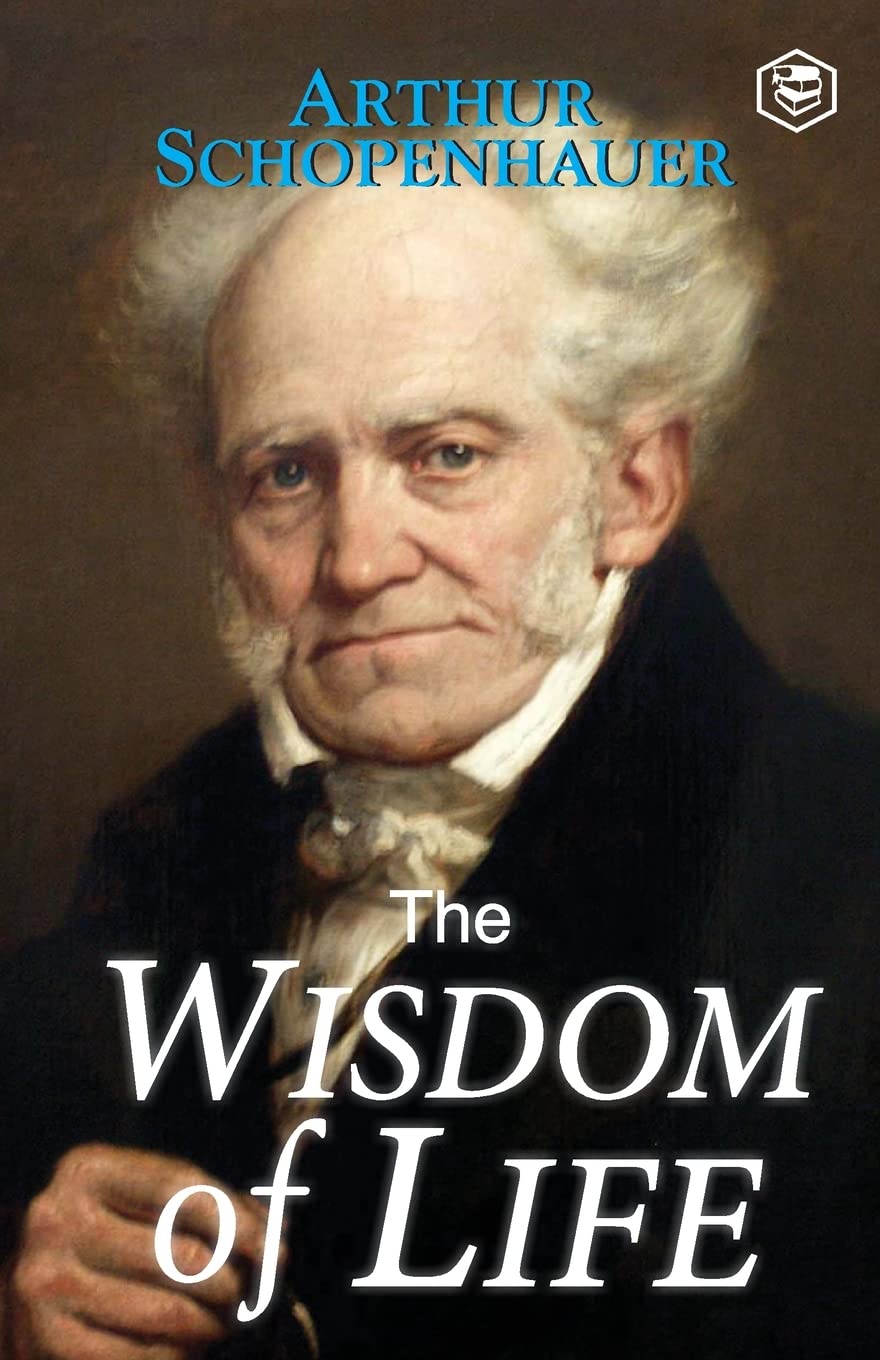
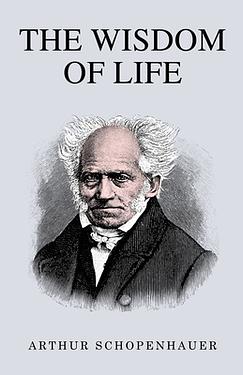
Wisdom of Life and Counsels and Maxims
WISDOM OF LIFE & COUNSELS & MA
出版社:
出版日期:
1995/10/31
605
訂單自國外空運,約14-21個工作天(不含例假日)到貨後依序出貨。為縮短等待,建議將此商品和其他商品分開下單。
查詢門市庫存
作者介紹
ARTHUR SCHOPENHAUER, the famous nineteenth-century Ger-man pessimist who expanded on the ideas of Plato and Immanuel Kant, wrote accessibly, leading his ideas to resonate with both philosophers and artists alike. The son of Heinrich Floris Schopenhauer and Johanna Hen-riette Troisiener, Arthur was born in Danzig on February 22, 1788, just one month after English Romantic poet George Gor-don, Lord Byron. A middle-class Dutch family involved in inter-national trade, the Schopenhauers chose "Arthur" as their son's name because the appellation is spelled the same in English, French, and German. Once Prussia annexed Danzig in 1793, the Schopenhauer family moved first to Hamburg, then Arthur spent much of his youth living throughout Europe, learning many lan-guages. Although his father prepared him to inherit the family mercantile business, Arthur Schopenhauer found that the schol-arly life suited him perfectly. After Heinrich's 1805 death, Johanna moved her family from Hamburg to Weimar, where Johanna, an author herself, befriended the writer Johann Wolf-gang von Goethe. Arthur Schopenhauer enrolled in the University of Gottin-gen and received his doctorate from the University of Jena in 1813. His dissertation, The Fourfold Root of the Principle of Suf-ficient Reason, explored the philosophical assumption that equates reality with rationality. According to Schopenhauer, in order for one to contemplate an explanation for a particular thing, one must assume that there is a subject (oneself) that thinks about the object (thing to be explained). Schopenhauer built his thesis on the work of Kant, who noted that humans can-not transcend themselves and therefore cannot satisfactorily answer metaphysical questions, and G. W. Leibniz, who first defined the principle of sufficient reason, which states that absolutely nothing exists that lacks an adequate reason for its existence. Schopenhauer's most famous work, the two-volume The World as Will and Representation, sprung from ideas put forth in The Fourfold Root. Schopenhauer's philosophical inquiries led him to embrace a pessimistic worldview--life is a mean-ingless struggle against the irrational impulses of the will. One could find some solace, however, through aesthetic perception, morality, and asceticism. With regard to the first, Schopenhauer considered artistic endeavors to be the communication of Pla-tonic Ideas, with music as the highest of all art forms because of its instant objectification of the will. Schopenhauer's ideas influ-enced many literary figures--including Samuel Beckett, Joseph Conrad, Leo Tolstoy, W. B. Yeats, and Emile Zola--as well as musicians such as Johannes Brahms and Richard Wagner. In the early 1920s, Schopenhauer began lecturing at the University of Berlin, purposely scheduling his classes concur-rent with those of G. W. F. Hegel. Schopenhauer strongly dis-liked Hegel and his philosophy; the former felt that the latter tried to make up for a lack of content in his works by ensnaring the reader in meaningless jargon. Schopenhauer left Berlin in 1831 to escape the threat of a cholera epidemic, eventually settling in Frankfurt, where he spent the rest of his life. By the mid-1850s, Schopenhauer gained the recognition that he had longed for when a review of his philosophical work appeared in the Westminster Review, which connected some of Schopenhauer's thought with that of Johann Gottlieb Fichte. Schopenhauer's health gradually dete-riorated in 1860 until he died of natural causes on September 21 in Frankfurt. New editions of most of Schopenhauer's works began to appear in 1873. Other works by Schopenhauer include On Vision and Col-ors (1816), On the Will in Nature (1836), The Two Fundamen-tal Problems of Ethics (1839-40), and Parerga und Paralipomena (1851).
規格
誠品貨碼 /
ISBN13 / 9781573920339
ISBN10 /
EAN貨碼 / 9781573920339
裝訂 / P:平裝
頁數 / 234
重量(g) / 272.2
語言 / 3:英文
級別 / N:無
尺寸 / 21.5X13.7X1.8CM
退貨說明
退貨須知:
- 依照消費者保護法的規定,您享有商品貨到次日起七天猶豫期(含例假日)的權益(請注意!猶豫期非試用期),辦理退貨之商品必須是全新狀態(不得有刮傷、破損、受潮)且需完整(包含全部商品、配件、原廠內外包裝、贈品及所有附隨文件或資料的完整性等)。
- 請您以送貨廠商使用之包裝紙箱將退貨商品包裝妥當,若原紙箱已遺失,請另使用其他紙箱包覆於商品原廠包裝之外,切勿直接於原廠包裝上黏貼紙張或書寫文字。若原廠包裝損毀將可能被認定為已逾越檢查商品之必要程度,本公司得依毀損程度扣除回復原狀必要費用(整新費)後退費;請您先確認商品正確、外觀可接受,再行拆封,以免影響您的權利;若為產品瑕疵,本公司接受退貨。
依「通訊交易解除權合理例外情事適用準則」,下列商品不適用七日猶豫期,除產品本身有瑕疵外,不接受退貨:
- 易於腐敗、保存期限較短或解約時即將逾期。(如:生鮮蔬果、乳製品、冷凍冷藏食材、蛋糕)
- 依消費者要求所為之客製化給付。(如:客製印章、鋼筆刻字)
- 報紙、期刊或雜誌。
- 經消費者拆封之影音商品或電腦軟體。
- 非以有形媒介提供之數位內容或一經提供即為完成之線上服務,經消費者事先同意始提供。(如:電子書)
- 已拆封之個人衛生用品。(如:內衣褲、襪類、褲襪、刮鬍刀、除毛刀等貼身用品)
- 國際航空客運服務。
若您退貨時有下列情形,可能被認定已逾越檢查商品之必要程度而須負擔為回復原狀必要費用(整新費),或影響您的退貨權利,請您在拆封前決定是否要退貨:
- 以數位或電磁紀錄形式儲存或著作權相關之商品(包含但不限於CD、VCD、DVD、電腦軟體等) 包裝已拆封者(除運送用之包裝以外)。
- 耗材(包含但不限於墨水匣、碳粉匣、紙張、筆類墨水、清潔劑補充包等)之商品包裝已拆封者(除運送用之包裝以外)。
- 衣飾鞋類/寢具/織品(包含但不限於衣褲、鞋子、襪子、泳裝、床單、被套、填充玩具)或之商品缺件(含購買商品、附件、內外包裝、贈品等)或經剪標或下水或商品有不可回復之髒污或磨損痕跡。
- 食品、美容/保養用品、內衣褲等消耗性或個人衛生用品、商品銷售頁面上特別載明之商品已拆封者(除運送用之包裝外一切包裝、包括但不限於瓶蓋、封口、封膜等接觸商品內容之包裝部分)或已非全新狀態(外觀有刮傷、破損、受潮等)與包裝不完整(缺少商品、附件、原廠外盒、保護袋、配件紙箱、保麗龍、隨貨文件、贈品等)。
- 家電、3C、畫作、電子閱讀器等商品,除商品本身有瑕疵外,退回之商品已拆封(除運送用之包裝外一切包裝、包括但不限於封膜等接觸商品內容之包裝部分、移除封條、拆除吊牌、拆除貼膠或標籤等情形)或已非全新狀態(外觀有刮傷、破損、受潮等)與包裝不完整(缺少商品、附件、原廠外盒、保護袋、配件紙箱、保麗龍、隨貨文件、贈品等)。
- 退貨程序請參閱【客服專區→常見問題→誠品線上退貨退款】之說明。
付款/配送