防詐3要訣:不聽信、不操作、掛斷電話



內容簡介
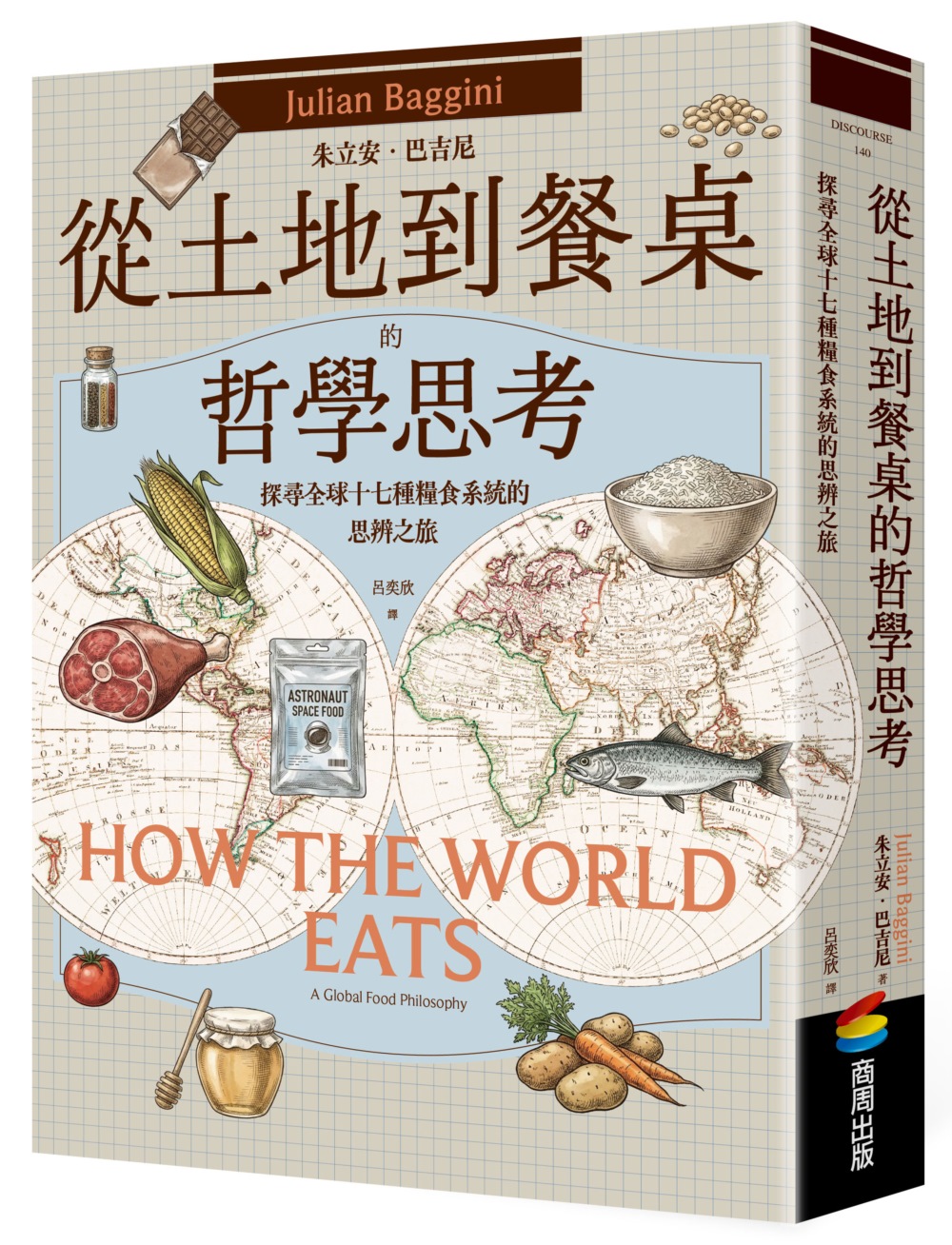
我們的生活方式受到飲食習慣的影響,這一點可以從世界各地在種植、準備和食用食物的不同方式中看出——從坦尚尼亞的獵人採集部落哈茲人(Hadza),他們傳統永續的生活方式正受到擁擠星球的擠壓;到不使用機械設備,依靠小塭耕作養活自己的不丹農民,再到大多數西方社會,其食物主要來自於大規模集約化的農業或養殖。
然而,儘管傳統的食物供應方式通常與自然環境更為和諧,但它們無法應對人口達到歷史新高的需求。我們大多依賴一個複雜的全球食物網絡,涵蓋生產、分配、消費和處理,這一系統目前正面臨前所未有的挑戰。我們既面臨飢餓又遭遇肥胖,豐收與環境災難並存,對許多人來說食物便宜,卻對其他人來說難以承擔。朱利安·巴吉尼(Julian Baggini)巧妙地探討了過去和現在各種不同社會中最好的和最差的飲食做法,旨在找出可以指引我們未來的原則。
我們對於如何餵養自己有必要好好深入了解。這本書探討面向廣泛、視野開闊且具權威性,《How the World Eats》提倡一種多元、人道、資源豐富且公平的全球飲食哲學,以食物為核心,幫助我們構建一個適應二十一世紀及其後的食物系統。
How we live is shaped by how we eat. You can see this in the vastly different approaches to growing, preparing and eating food around the world - from the hunter gatherer Hadza in Tanzania whose traditionally sustainable lifestyle is being squeezed by a crowded planet, and the subsistence rice farmers of Bhutan who toil without machinery to feed themselves from their smallholdings, to Western societies whose food is mostly farmed or bred in vast intensive enterprises.
But while traditional approaches to providing food are often more in harmony with the natural environment, they cannot provide for a human population increasing to an historic peak. Most of us rely on a complex global food web of production, distribution, consumption and disposal, which is now contending with unprecedented challenges. We face both hunger and obesity, bumper crops and catastrophic environmental damage, food that is cheap for many and unaffordable for others. Julian Baggini expertly explores the best and worst food practices in a huge array of different societies past and present to identify the principles that can guide our future.
The need for a better understanding of how we feed ourselves has never been more urgent. Wide-ranging, eye-opening and definitive, How the World Eats advocates for a pluralistic, humane, resourceful and equitable global food philosophy, with food firmly at its centre, so we can build a food system fit for the twenty-first century and beyond.
作者介紹
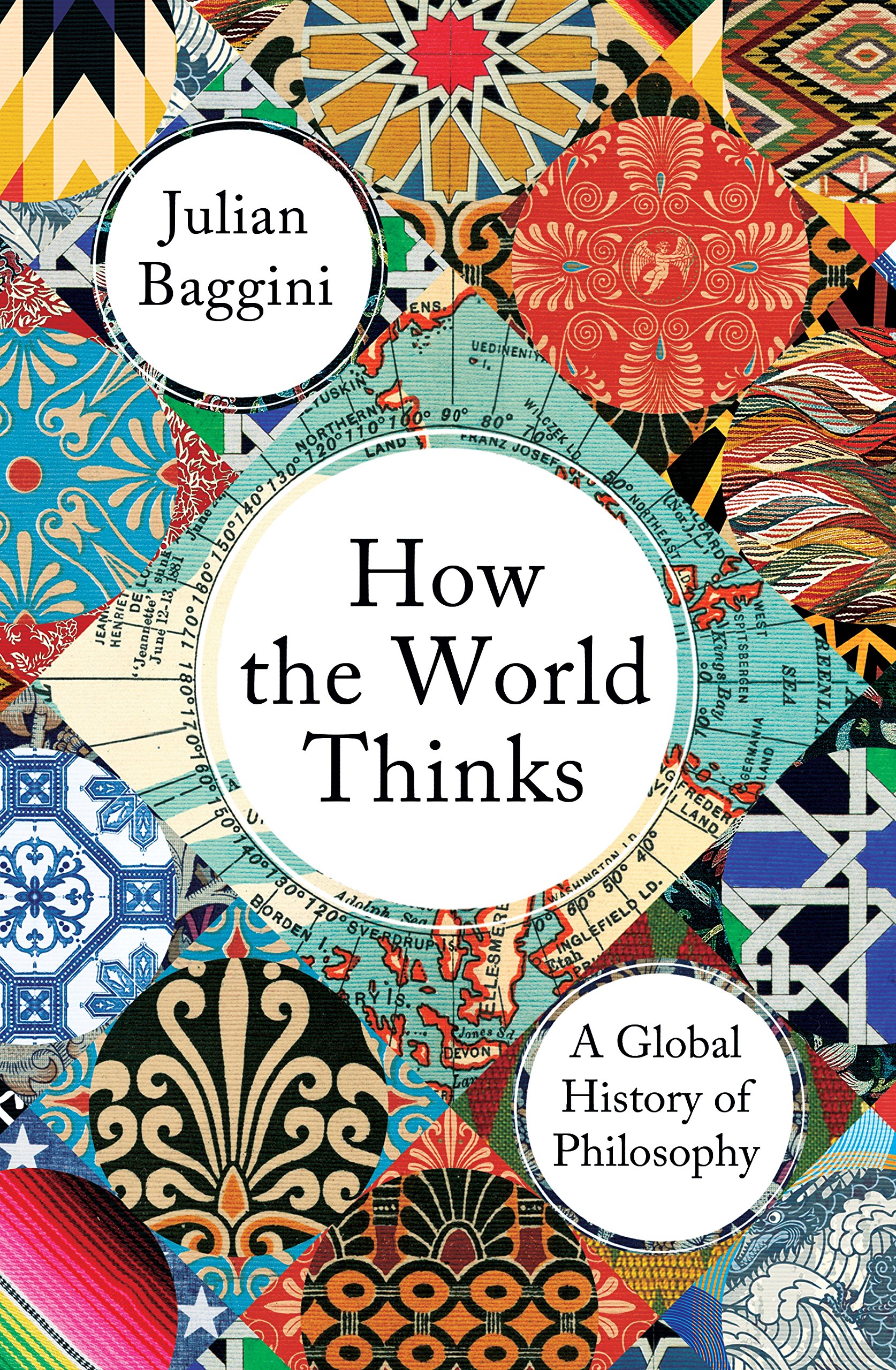
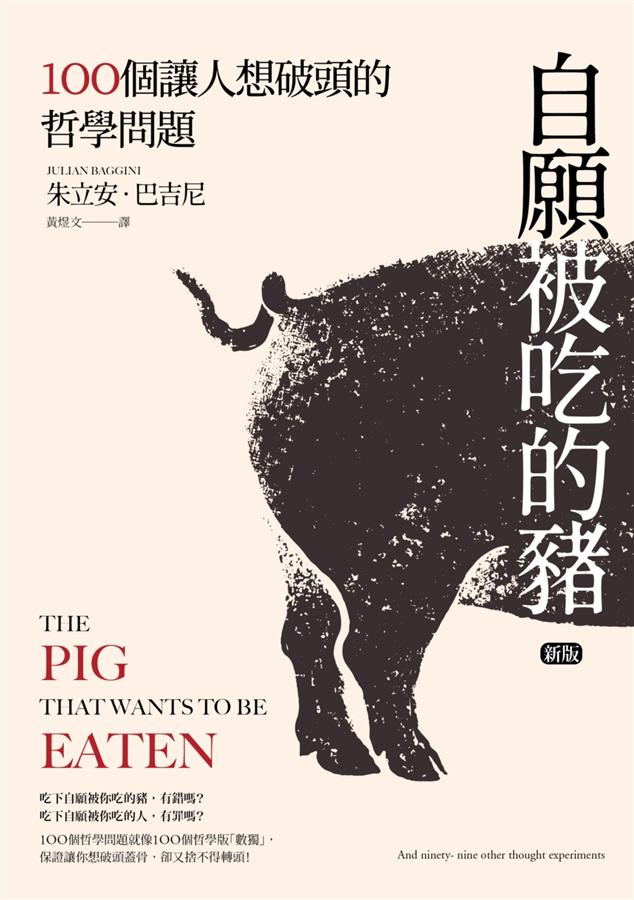
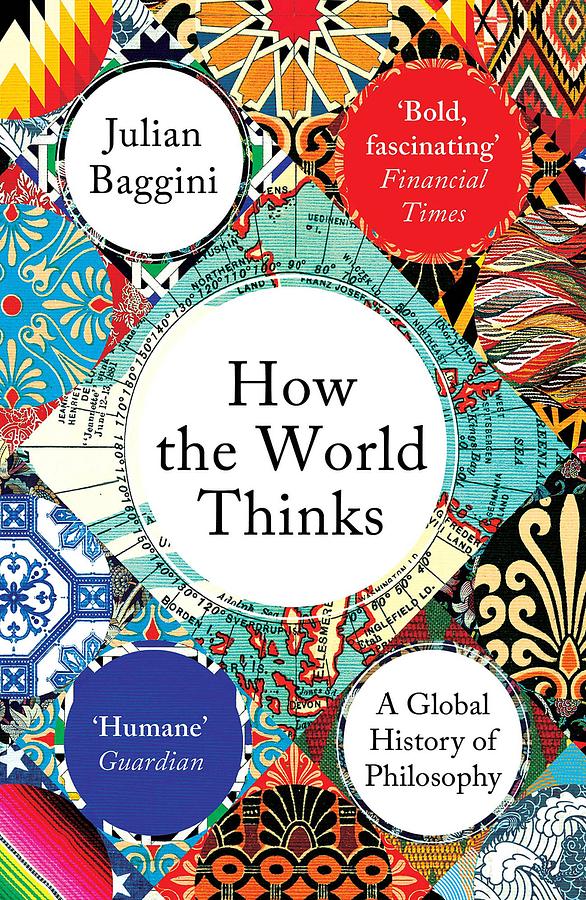
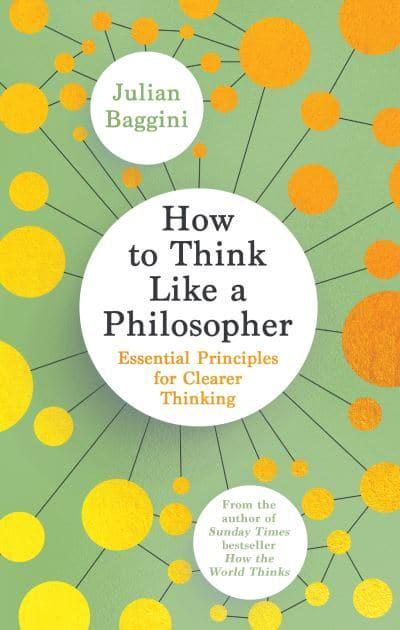
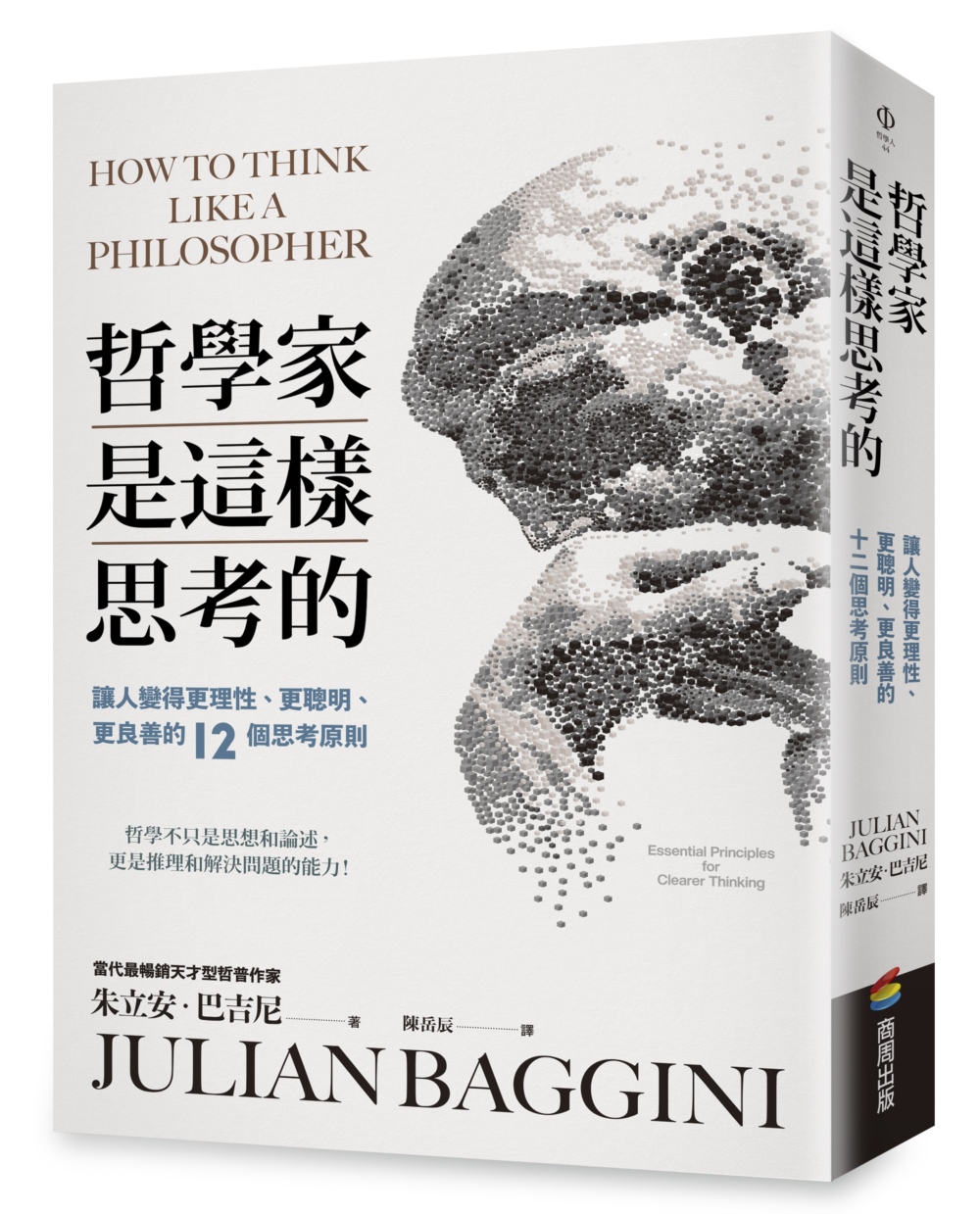
JULIAN BAGGINI's books include the Sunday Times bestselling How the World Thinks; How to Think Like a Philosopher; The Virtues of the Table; and the bestselling The Pig That Wants to be Eaten, all published by Granta Books. He is the Academic Director of the Royal Institute of Philosophy and is a member of the Food Ethics Council. He has written for the Guardian, the TLS, the Financial Times and Prospect, among others, and for magazines, academic journals and think tanks. His website is microphilosophy.net.
規格
退貨說明
退貨須知:
- 依照消費者保護法的規定,您享有商品貨到次日起七天猶豫期(含例假日)的權益(請注意!猶豫期非試用期),辦理退貨之商品必須是全新狀態(不得有刮傷、破損、受潮)且需完整(包含全部商品、配件、原廠內外包裝、贈品及所有附隨文件或資料的完整性等)。
- 請您以送貨廠商使用之包裝紙箱將退貨商品包裝妥當,若原紙箱已遺失,請另使用其他紙箱包覆於商品原廠包裝之外,切勿直接於原廠包裝上黏貼紙張或書寫文字。若原廠包裝損毀將可能被認定為已逾越檢查商品之必要程度,本公司得依毀損程度扣除回復原狀必要費用(整新費)後退費;請您先確認商品正確、外觀可接受,再行拆封,以免影響您的權利;若為產品瑕疵,本公司接受退貨。
依「通訊交易解除權合理例外情事適用準則」,下列商品不適用七日猶豫期,除產品本身有瑕疵外,不接受退貨:
- 易於腐敗、保存期限較短或解約時即將逾期。(如:生鮮蔬果、乳製品、冷凍冷藏食材、蛋糕)
- 依消費者要求所為之客製化給付。(如:客製印章、鋼筆刻字)
- 報紙、期刊或雜誌。
- 經消費者拆封之影音商品或電腦軟體。
- 非以有形媒介提供之數位內容或一經提供即為完成之線上服務,經消費者事先同意始提供。(如:電子書)
- 已拆封之個人衛生用品。(如:內衣褲、襪類、褲襪、刮鬍刀、除毛刀等貼身用品)
- 國際航空客運服務。
若您退貨時有下列情形,可能被認定已逾越檢查商品之必要程度而須負擔為回復原狀必要費用(整新費),或影響您的退貨權利,請您在拆封前決定是否要退貨:
- 以數位或電磁紀錄形式儲存或著作權相關之商品(包含但不限於CD、VCD、DVD、電腦軟體等) 包裝已拆封者(除運送用之包裝以外)。
- 耗材(包含但不限於墨水匣、碳粉匣、紙張、筆類墨水、清潔劑補充包等)之商品包裝已拆封者(除運送用之包裝以外)。
- 衣飾鞋類/寢具/織品(包含但不限於衣褲、鞋子、襪子、泳裝、床單、被套、填充玩具)或之商品缺件(含購買商品、附件、內外包裝、贈品等)或經剪標或下水或商品有不可回復之髒污或磨損痕跡。
- 食品、美容/保養用品、內衣褲等消耗性或個人衛生用品、商品銷售頁面上特別載明之商品已拆封者(除運送用之包裝外一切包裝、包括但不限於瓶蓋、封口、封膜等接觸商品內容之包裝部分)或已非全新狀態(外觀有刮傷、破損、受潮等)與包裝不完整(缺少商品、附件、原廠外盒、保護袋、配件紙箱、保麗龍、隨貨文件、贈品等)。
- 家電、3C、畫作、電子閱讀器等商品,除商品本身有瑕疵外,退回之商品已拆封(除運送用之包裝外一切包裝、包括但不限於封膜等接觸商品內容之包裝部分、移除封條、拆除吊牌、拆除貼膠或標籤等情形)或已非全新狀態(外觀有刮傷、破損、受潮等)與包裝不完整(缺少商品、附件、原廠外盒、保護袋、配件紙箱、保麗龍、隨貨文件、贈品等)。
- 退貨程序請參閱【客服專區→常見問題→誠品線上退貨退款】之說明。