防詐3要訣:不聽信、不操作、掛斷電話



9
1,6001,440
分期3期0利率✕每期480元
3 期 0 利率✕每期 480 元
臺灣銀行、合作金庫、第一銀行、華南銀行、彰化銀行、台北富邦、國泰世華、兆豐商銀、臺灣中小企銀、滙豐銀行、新光銀行、聯邦銀行、遠東銀行、永豐銀行、玉山銀行、凱基銀行、星展銀行、台新銀行、安泰銀行、中國信託、台灣樂天
※ 除不盡餘數將於第一期收取
查詢門市庫存
內容簡介
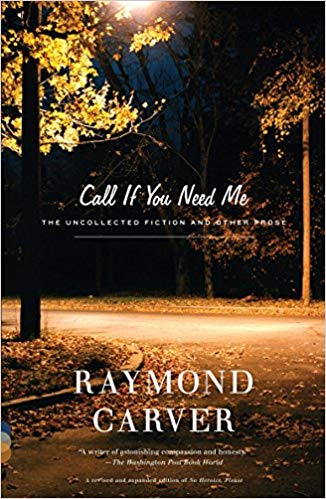
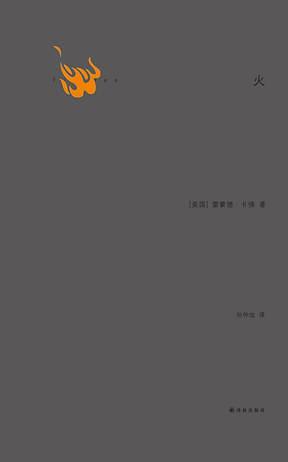
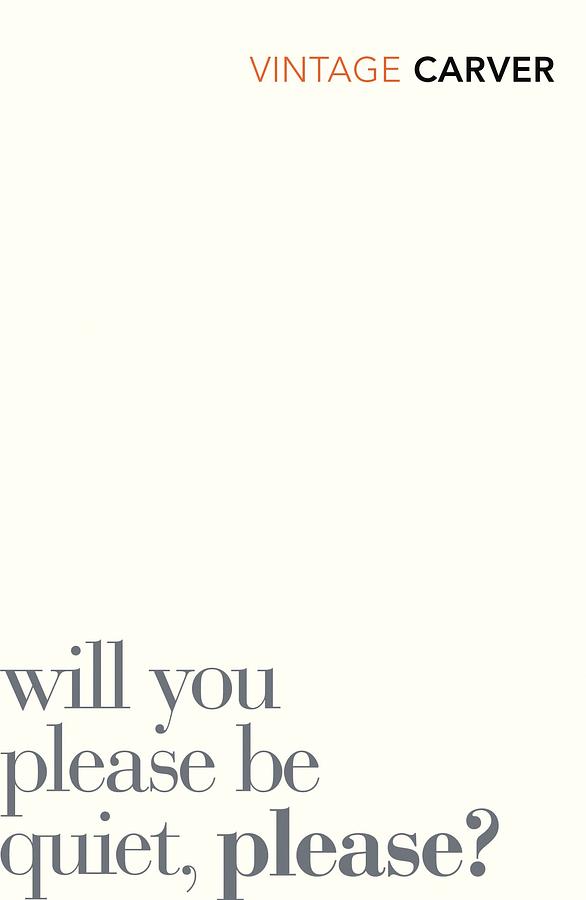
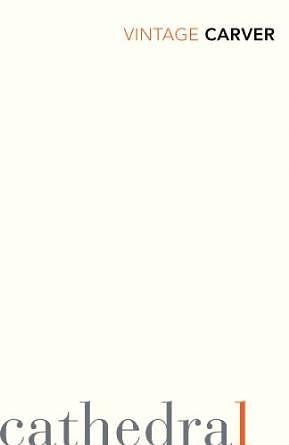
Raymond Carver's spare dramas of loneliness, despair, and troubled relationships breathed new life into the American short story of the 1970s and '80s. In collections such as Will You Please Be Quiet, Please? and What We Talk About When We Talk About Love, Carver wrote with unflinching exactness about men and women enduring lives on the knife-edge of poverty and other deprivations. Beneath his pared-down surfaces run disturbing, violent undercurrents. Suggestive rather than explicit, and seeming all the more powerful for what is left unsaid, Carver's stories were held up as exemplars of a new school in American fiction known as minimalism or "dirty realism," a movement whose wide influence continues to this day. Carver's stories were brilliant in their detachment and use of the oblique, ambiguous gesture, yet there were signs of a different sort of sensibility at work. In books such as Cathedral and the later tales included in the collected stories volume Where I'm Calling From, Carver revealed himself to be a more expansive writer than in the earlier published books, displaying Chekhovian sympathies toward his characters and relying less on elliptical effects. In gathering all of Carver's stories, including early sketches and posthumously discovered works, The Library of America's Collected Stories provides a comprehensive overview of Carver's career as we have come to know it: the promise of Will You Please Be Quiet, Please? and the breakthrough of What We Talk About, on through the departures taken in Cathedral and the pathos of the late stories. But it also prompts a fresh consideration of Carver by presenting Beginners, an edition of the manuscript of What We Talk About When We Talk About Love that Carver submitted to Gordon Lish, his editor and a crucial influence on his development. Lish's editing was so extensive that at one point Carver wrote him an anguished letter asking him not to publish the book; now, for the first time, readers can read both the manuscript and published versions of the collection that established Carver as a major American writer. Offering a fascinating window into the complex, fraught relation between writer and editor, Beginners expands our sense of Carver and is essential reading for anyone who cares about his achievement.LIBRARY OF AMERICA is an independent nonprofit cultural organization founded in 1979 to preserve our nation’s literary heritage by publishing, and keeping permanently in print, America’s best and most significant writing. The Library of America series includes more than 300 volumes to date, authoritative editions that average 1,000 pages in length, feature cloth covers, sewn bindings, and ribbon markers, and are printed on premium acid-free paper that will last for centuries.
Raymond Carver?s spare dramas of loneliness, despair, and troubled relationships breathed new life into the American short story of the 1970s and ?80s. In collections such as Will You Please Be Quiet, Please? and What We Talk About When We Talk About Love, Carver wrote with unflinching exactness about men and women enduring lives on the knife-edge of poverty and other deprivations. Beneath his pared-down surfaces run disturbing, violent undercurrents. Suggestive rather than explicit, and seeming all the more powerful for what is left unsaid, Carver?s stories were held up as exemplars of a new school in American fiction known as minimalism or ?dirty realism,? a movement whose wide influence continues to this day. Carver?s stories were brilliant in their detachment and use of the oblique, ambiguous gesture, yet there were signs of a different sort of sensibility at work. In books such as Cathedral and the later tales included in the collected stories volume Where I?m Calling From, Carver revealed himself to be a more expansive writer than in the earlier published books, displaying Chekhovian sympathies toward his characters and relying less on elliptical effects. In gathering all of Carver?s stories, including early sketches and posthumously discovered works, The Library of America?s Collected Stories provides a comprehensive overview of Carver?s career as we have come to know it: the promise of Will You Please Be Quiet, Please? and the breakthrough of What We Talk About, on through the departures taken in Cathedral and the pathos of the late stories. But it also prompts a fresh consideration of Carver by presenting Beginners, an edition of the manuscript of What We Talk About When We Talk About Love that Carver submitted to Gordon Lish, his editor and a crucial influence on his development. Lish?s editing was so extensive that at one point Carver wrote him an anguished letter asking him not to publish the book; now, for the first time, readers can read both the manuscript and published versions of the collection that established Carver as a major American writer. Offering a fascinating window into the complex, fraught relation between writer and editor, Beginners expands our sense of Carver and is essential reading for anyone who cares about his achievement.
作者介紹
Raymond Carver (1938-1988), the author of such landmark collections as Will You Please Be Quiet, Please? (1976), What We Talk About When We Talk About Love (1981), and Cathedral (1983), was perhaps the most influential short-story writer of his generation.
William L. Stull, editor, is professor of English at the University of Hartford.
Maureen P. Carroll is adjunct professor of humanities at the University of Hartford and a practicing attorney. With William Stull she has devoted more than two decades to the work of Raymond Carver, publishing numerous essays and editing Conversations with Raymond Carver (1990), Remembering Ray: A Composite Biography(1993), All of Us: The Collected Poems (1996), and Call If You Need Me: The Uncollected Fiction and Other Prose (2000).
William L. Stull, editor, is professor of English at the University of Hartford.
Maureen P. Carroll is adjunct professor of humanities at the University of Hartford and a practicing attorney. With William Stull she has devoted more than two decades to the work of Raymond Carver, publishing numerous essays and editing Conversations with Raymond Carver (1990), Remembering Ray: A Composite Biography(1993), All of Us: The Collected Poems (1996), and Call If You Need Me: The Uncollected Fiction and Other Prose (2000).
規格
誠品貨碼 / 2681137771001
ISBN13 / 9781598530469
ISBN10 / 1598530461
EAN貨碼 / 9781598530469
頁數 / 960
注音版 / 否
裝訂 / H:精裝
語言 / 3:英文
級別 / N:無
退貨說明
退貨須知:
- 依照消費者保護法的規定,您享有商品貨到次日起七天猶豫期(含例假日)的權益(請注意!猶豫期非試用期),辦理退貨之商品必須是全新狀態(不得有刮傷、破損、受潮)且需完整(包含全部商品、配件、原廠內外包裝、贈品及所有附隨文件或資料的完整性等)。
- 請您以送貨廠商使用之包裝紙箱將退貨商品包裝妥當,若原紙箱已遺失,請另使用其他紙箱包覆於商品原廠包裝之外,切勿直接於原廠包裝上黏貼紙張或書寫文字。若原廠包裝損毀將可能被認定為已逾越檢查商品之必要程度,本公司得依毀損程度扣除回復原狀必要費用(整新費)後退費;請您先確認商品正確、外觀可接受,再行拆封,以免影響您的權利;若為產品瑕疵,本公司接受退貨。
依「通訊交易解除權合理例外情事適用準則」,下列商品不適用七日猶豫期,除產品本身有瑕疵外,不接受退貨:
- 易於腐敗、保存期限較短或解約時即將逾期。(如:生鮮蔬果、乳製品、冷凍冷藏食材、蛋糕)
- 依消費者要求所為之客製化給付。(如:客製印章、鋼筆刻字)
- 報紙、期刊或雜誌。
- 經消費者拆封之影音商品或電腦軟體。
- 非以有形媒介提供之數位內容或一經提供即為完成之線上服務,經消費者事先同意始提供。(如:電子書)
- 已拆封之個人衛生用品。(如:內衣褲、襪類、褲襪、刮鬍刀、除毛刀等貼身用品)
- 國際航空客運服務。
若您退貨時有下列情形,可能被認定已逾越檢查商品之必要程度而須負擔為回復原狀必要費用(整新費),或影響您的退貨權利,請您在拆封前決定是否要退貨:
- 以數位或電磁紀錄形式儲存或著作權相關之商品(包含但不限於CD、VCD、DVD、電腦軟體等) 包裝已拆封者(除運送用之包裝以外)。
- 耗材(包含但不限於墨水匣、碳粉匣、紙張、筆類墨水、清潔劑補充包等)之商品包裝已拆封者(除運送用之包裝以外)。
- 衣飾鞋類/寢具/織品(包含但不限於衣褲、鞋子、襪子、泳裝、床單、被套、填充玩具)或之商品缺件(含購買商品、附件、內外包裝、贈品等)或經剪標或下水或商品有不可回復之髒污或磨損痕跡。
- 食品、美容/保養用品、內衣褲等消耗性或個人衛生用品、商品銷售頁面上特別載明之商品已拆封者(除運送用之包裝外一切包裝、包括但不限於瓶蓋、封口、封膜等接觸商品內容之包裝部分)或已非全新狀態(外觀有刮傷、破損、受潮等)與包裝不完整(缺少商品、附件、原廠外盒、保護袋、配件紙箱、保麗龍、隨貨文件、贈品等)。
- 家電、3C、畫作、電子閱讀器等商品,除商品本身有瑕疵外,退回之商品已拆封(除運送用之包裝外一切包裝、包括但不限於封膜等接觸商品內容之包裝部分、移除封條、拆除吊牌、拆除貼膠或標籤等情形)或已非全新狀態(外觀有刮傷、破損、受潮等)與包裝不完整(缺少商品、附件、原廠外盒、保護袋、配件紙箱、保麗龍、隨貨文件、贈品等)。
- 退貨程序請參閱【客服專區→常見問題→誠品線上退貨退款】之說明。
付款/配送