防詐3要訣:不聽信、不操作、掛斷電話



79
280221
查詢門市庫存
內容簡介
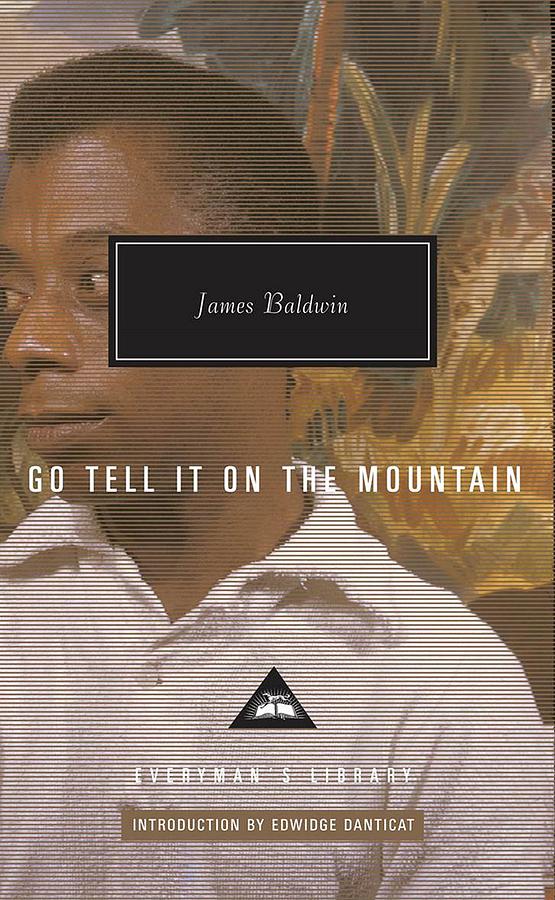
"Mountain," Baldwin said, "is the book I had to write if I was ever going to write anything else." Go Tell It On The Mountain, first published in 1953, is Baldwin's first major work, a novel that has established itself as an American classic. With lyrical precision, psychological directness, resonating symbolic power, and a rage that is at once unrelenting and compassionate, Baldwin chronicles a fourteen-year-old boy's discovery of the terms of his identity as the stepson of the minister of a storefront Pentecostal church in Harlem one Saturday in March of 1935. Baldwin's rendering of his protagonist's spiritual, sexual, and moral struggle of self-invention opened new possibilities in the American language and in the way Americans understand themselves.
作者介紹
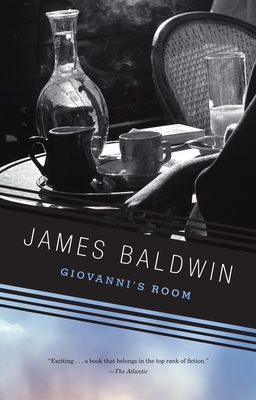
James Baldwin was born on August 2, 1924, and educated in New York. His first novel, Go Tell It on the Mountain, appeared in 1953 to excellent reviews and immediately was recognized as establishing a profound and permanent new voice in American letters. “Mountain is the book I had to write if I was ever going to write anything else,” he remarked. Baldwin's play The Amen Corner was first performed at Howard University in 1955 (it was staged commercially in the 1960s), and his acclaimed collection of essays Notes of a Native Son, was published the same year. A second collection of essays, Nobody Knows My Name, was published in 1961 between his novels Giovanni's Room (1956) and Another Country (1961).
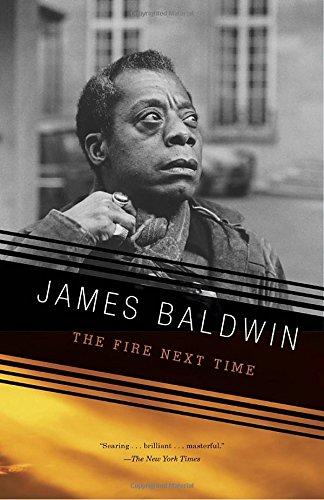
The appearance of The Fire Next Time in 1963, just as the civil rights movement was exploding across the American South, galvanized the nation and continues to reverberate as perhaps the most prophetic and defining statement ever written of the continuing costs of Americans’ refusal to face their own history. It became a national bestseller, and Baldwin was featured on the cover of Time magazine. Critic Irving Howe said that The Fire Next Time achieved “heights of passionate exhortation unmatched in modern American writing.” In 1964 Blues for Mister Charlie, his play based on the murder of a young black man in Mississippi, was produced by the Actors Studio in New York. That same year, Baldwin was made a member of the National Institute of Arts and Letters and collaborated with the photographer Richard Avedon on Nothing Personal, a series of portraits of America intended as a eulogy for the slain Medger Evers. A collection of short stories, Going to Meet the Man, was published in 1965, and in 1968, Tell Me How Long the Train's Been Gone, his last novel of the 1960s appeared.
In the 1970s he wrote two more collections of essays and cultural criticism: No Name in the Street (1972) and The Devil Finds Work (1976). He produced two novels: the bestselling If Beale Street Could Talk (1974) and Just Above My Head (1979) and also a children’s book Little Man, Little Man: A Story of Childhood (1976). He collaborated with Margaret Mead on A Rap on Race (1971) and with the poet-activist Nikki Giovanni on A Dialogue (1973). He also adapted Alex Haley’s The Autobiography of Malcolm X into One Day When I Was Lost.
In the remaining years of his life, Baldwin produced a volume of poetry, Jimmy’s Blues (1983), and a final collection of essays, The Price of the Ticket. Baldwin’s last work, The Evidence of Things Not Seen (1985), was prompted by a series of child murders in Atlanta. Baldwin was made a Commander of the French Legion of Honor in June 1986. Among the other awards he received are a Eugene F. Saxon Memorial Trust Award, a Rosenwald fellowship, a Guggenheim fellowship, a Partisan Review fellowship, and a Ford Foundation grant.
James Baldwin died at his home in Saint-Paul-de-Vence in France on December 1, 1987.
The appearance of The Fire Next Time in 1963, just as the civil rights movement was exploding across the American South, galvanized the nation and continues to reverberate as perhaps the most prophetic and defining statement ever written of the continuing costs of Americans’ refusal to face their own history. It became a national bestseller, and Baldwin was featured on the cover of Time magazine. Critic Irving Howe said that The Fire Next Time achieved “heights of passionate exhortation unmatched in modern American writing.” In 1964 Blues for Mister Charlie, his play based on the murder of a young black man in Mississippi, was produced by the Actors Studio in New York. That same year, Baldwin was made a member of the National Institute of Arts and Letters and collaborated with the photographer Richard Avedon on Nothing Personal, a series of portraits of America intended as a eulogy for the slain Medger Evers. A collection of short stories, Going to Meet the Man, was published in 1965, and in 1968, Tell Me How Long the Train's Been Gone, his last novel of the 1960s appeared.
In the 1970s he wrote two more collections of essays and cultural criticism: No Name in the Street (1972) and The Devil Finds Work (1976). He produced two novels: the bestselling If Beale Street Could Talk (1974) and Just Above My Head (1979) and also a children’s book Little Man, Little Man: A Story of Childhood (1976). He collaborated with Margaret Mead on A Rap on Race (1971) and with the poet-activist Nikki Giovanni on A Dialogue (1973). He also adapted Alex Haley’s The Autobiography of Malcolm X into One Day When I Was Lost.
In the remaining years of his life, Baldwin produced a volume of poetry, Jimmy’s Blues (1983), and a final collection of essays, The Price of the Ticket. Baldwin’s last work, The Evidence of Things Not Seen (1985), was prompted by a series of child murders in Atlanta. Baldwin was made a Commander of the French Legion of Honor in June 1986. Among the other awards he received are a Eugene F. Saxon Memorial Trust Award, a Rosenwald fellowship, a Guggenheim fellowship, a Partisan Review fellowship, and a Ford Foundation grant.
James Baldwin died at his home in Saint-Paul-de-Vence in France on December 1, 1987.
規格
誠品貨碼 / 2681675568002
ISBN13 / 9780345806543
ISBN10 / 0345806549
EAN貨碼 / 9780345806543
頁數 / 264
注音版 / 否
裝訂 / M:口袋裝
語言 / 3:英文
尺寸 / 17.6X10.9X1.9CM
級別 / N:無
退貨說明
退貨須知:
- 依照消費者保護法的規定,您享有商品貨到次日起七天猶豫期(含例假日)的權益(請注意!猶豫期非試用期),辦理退貨之商品必須是全新狀態(不得有刮傷、破損、受潮)且需完整(包含全部商品、配件、原廠內外包裝、贈品及所有附隨文件或資料的完整性等)。
- 請您以送貨廠商使用之包裝紙箱將退貨商品包裝妥當,若原紙箱已遺失,請另使用其他紙箱包覆於商品原廠包裝之外,切勿直接於原廠包裝上黏貼紙張或書寫文字。若原廠包裝損毀將可能被認定為已逾越檢查商品之必要程度,本公司得依毀損程度扣除回復原狀必要費用(整新費)後退費;請您先確認商品正確、外觀可接受,再行拆封,以免影響您的權利;若為產品瑕疵,本公司接受退貨。
依「通訊交易解除權合理例外情事適用準則」,下列商品不適用七日猶豫期,除產品本身有瑕疵外,不接受退貨:
- 易於腐敗、保存期限較短或解約時即將逾期。(如:生鮮蔬果、乳製品、冷凍冷藏食材、蛋糕)
- 依消費者要求所為之客製化給付。(如:客製印章、鋼筆刻字)
- 報紙、期刊或雜誌。
- 經消費者拆封之影音商品或電腦軟體。
- 非以有形媒介提供之數位內容或一經提供即為完成之線上服務,經消費者事先同意始提供。(如:電子書)
- 已拆封之個人衛生用品。(如:內衣褲、襪類、褲襪、刮鬍刀、除毛刀等貼身用品)
- 國際航空客運服務。
若您退貨時有下列情形,可能被認定已逾越檢查商品之必要程度而須負擔為回復原狀必要費用(整新費),或影響您的退貨權利,請您在拆封前決定是否要退貨:
- 以數位或電磁紀錄形式儲存或著作權相關之商品(包含但不限於CD、VCD、DVD、電腦軟體等) 包裝已拆封者(除運送用之包裝以外)。
- 耗材(包含但不限於墨水匣、碳粉匣、紙張、筆類墨水、清潔劑補充包等)之商品包裝已拆封者(除運送用之包裝以外)。
- 衣飾鞋類/寢具/織品(包含但不限於衣褲、鞋子、襪子、泳裝、床單、被套、填充玩具)或之商品缺件(含購買商品、附件、內外包裝、贈品等)或經剪標或下水或商品有不可回復之髒污或磨損痕跡。
- 食品、美容/保養用品、內衣褲等消耗性或個人衛生用品、商品銷售頁面上特別載明之商品已拆封者(除運送用之包裝外一切包裝、包括但不限於瓶蓋、封口、封膜等接觸商品內容之包裝部分)或已非全新狀態(外觀有刮傷、破損、受潮等)與包裝不完整(缺少商品、附件、原廠外盒、保護袋、配件紙箱、保麗龍、隨貨文件、贈品等)。
- 家電、3C、畫作、電子閱讀器等商品,除商品本身有瑕疵外,退回之商品已拆封(除運送用之包裝外一切包裝、包括但不限於封膜等接觸商品內容之包裝部分、移除封條、拆除吊牌、拆除貼膠或標籤等情形)或已非全新狀態(外觀有刮傷、破損、受潮等)與包裝不完整(缺少商品、附件、原廠外盒、保護袋、配件紙箱、保麗龍、隨貨文件、贈品等)。
- 退貨程序請參閱【客服專區→常見問題→誠品線上退貨退款】之說明。
付款/配送