防詐3要訣:不聽信、不操作、掛斷電話



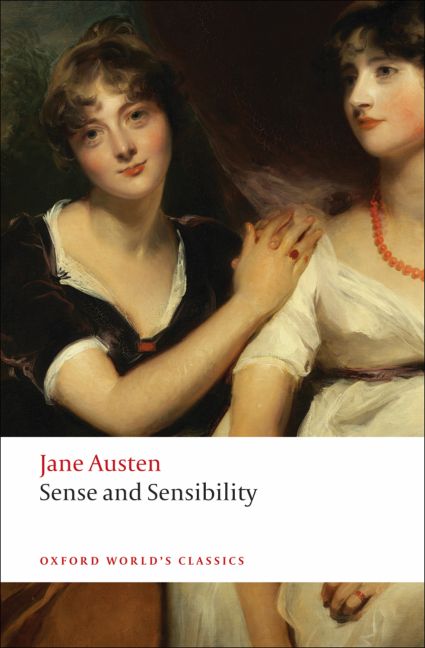
Sense and Sensibility
理性與感性
9
245220
查詢門市庫存
內容簡介
Published in 1811, Sense and Sensibility has delighted generations of readers with its masterfully crafted portrait of two sisters, Elinor and Marianne Dashwood. Forced to leave their home after their father's death, Elinor and Marianne must rely on making good marriages as their means of support. But unscrupulous cads, meddlesome matriarchs, and various guileless and artful women impinge on their chances for love and happiness. The novelist Elizabeth Bowen wrote, "The technique of [Jane Austen's novels] is beyond praise....Her mastery of the art she chose, or that chose her, is complete."This Modern Library Paperback Classics edition contains a new Introduction by Pulitzer Prize finalist David Gates, in addition to new explanatory notes.
Published in 1811, Sense and Sensibility has delighted generations of readers with its masterfully crafted portrait of two sisters, Elinor and Marianne Dashwood. Forced to leave their home after their father's death, Elinor and Marianne must rely on making good marriages as their means of support. But unscrupulous cads, meddlesome matriarchs, and various guileless and artful women impinge on their chances for love and happiness. The novelist Elizabeth Bowen wrote, 'The technique of [Jane Austen's novels] is beyond praise....Her mastery of the art she chose, or that chose her, is complete.' This Modern Library Paperback Classics edition contains a new Introduction by Pulitzer Prize finalist David Gates, in addition to new explanatory notes.
作者介紹
Jane Austen was born in Steventon, Hampshire, on December 16, 1775. Her father, the Reverend George Austen, was rector of Steventon, where she spent her first twenty-five years, along with her six brothers (two of them later naval officers in the Napoleonic wars) and her adored sister, Cassandra. She read voraciously from an early age, counting among her favorites the novels of Samuel Richardson, Henry Fielding, and Fanny Burney, and the poetry of William Cowper and George Crabbe. Her family was lively and affectionate and they encouraged her precocious literary efforts, the earliest dating from age twelve, which already displayed the beginnings of her comic style. Her first novels, Elinor and Marianne (1796) and First Impressions (1797), were not published. The gothic parody Northanger Abbey was accepted for publication in 1803 but was ultimately withheld by the publisher.
In 1801 the family moved to Bath, where for four years Austen was able to observe the fashionable watering place that would later figure prominently in her fiction. Austen was sociable in her youth, and was briefly engaged in 1802. Two years later she began work on The Watsons, a novel that remained unfinished. After the death of her father in 1805, she lived with her mother and sister in Southampton for a few years before moving with them to a cottage at Chawton in Hampshire. This would be her home for the rest of her life, and she wrote many of her novels in its parlor. She continued to revise her earlier unpublished work, and in 1811 a version of Elinor and Marianne was published as Sense and Sensibility, followed two years later by Pride and Prejudice, a reworking of First Impressions. In the next few years she published Mansfield Park (1814) and Emma (1816).
Austen became ill in 1815, perhaps with Addison's disease, and she died on July 18, 1817. Persuasion, her last novel, and the earlier Northanger Abbey appeared the following year. Of her last days her brother wrote: 'She wrote whilst she could hold a pen, and with a pencil when a pen was become too laborious. The day preceding her death she composed some stanzas replete with fancy and vigour.' Although Austen received some praise from her contemporaries—notably Sir Walter Scott, who discerned in her work 'the exquisite touch, which renders ordinary commonplace things and characters interesting, from the truth of the description and the sentiment'—her detractors included Charlotte Bronte ('very incomplete and rather insensible') and Ralph Waldo Emerson ('vulgar in tone, sterile in artistic invention'), and her books did not immediately find a wide readership. The turn in her reputation came late in the nineteenth century, and has been succeeded by an enduring popularity and widespread critical praise in the twentieth.
From the eBook edition.
In 1801 the family moved to Bath, where for four years Austen was able to observe the fashionable watering place that would later figure prominently in her fiction. Austen was sociable in her youth, and was briefly engaged in 1802. Two years later she began work on The Watsons, a novel that remained unfinished. After the death of her father in 1805, she lived with her mother and sister in Southampton for a few years before moving with them to a cottage at Chawton in Hampshire. This would be her home for the rest of her life, and she wrote many of her novels in its parlor. She continued to revise her earlier unpublished work, and in 1811 a version of Elinor and Marianne was published as Sense and Sensibility, followed two years later by Pride and Prejudice, a reworking of First Impressions. In the next few years she published Mansfield Park (1814) and Emma (1816).
Austen became ill in 1815, perhaps with Addison's disease, and she died on July 18, 1817. Persuasion, her last novel, and the earlier Northanger Abbey appeared the following year. Of her last days her brother wrote: 'She wrote whilst she could hold a pen, and with a pencil when a pen was become too laborious. The day preceding her death she composed some stanzas replete with fancy and vigour.' Although Austen received some praise from her contemporaries—notably Sir Walter Scott, who discerned in her work 'the exquisite touch, which renders ordinary commonplace things and characters interesting, from the truth of the description and the sentiment'—her detractors included Charlotte Bronte ('very incomplete and rather insensible') and Ralph Waldo Emerson ('vulgar in tone, sterile in artistic invention'), and her books did not immediately find a wide readership. The turn in her reputation came late in the nineteenth century, and has been succeeded by an enduring popularity and widespread critical praise in the twentieth.
From the eBook edition.
規格
誠品貨碼 / 2680058416008
ISBN13 / 9780375756733
ISBN10 / 0375756736
EAN貨碼 / 9780375756733
頁數 / 304
注音版 / 否
裝訂 / P:平裝
語言 / 3:英文
級別 / N:無
退貨說明
退貨須知:
- 依照消費者保護法的規定,您享有商品貨到次日起七天猶豫期(含例假日)的權益(請注意!猶豫期非試用期),辦理退貨之商品必須是全新狀態(不得有刮傷、破損、受潮)且需完整(包含全部商品、配件、原廠內外包裝、贈品及所有附隨文件或資料的完整性等)。
- 請您以送貨廠商使用之包裝紙箱將退貨商品包裝妥當,若原紙箱已遺失,請另使用其他紙箱包覆於商品原廠包裝之外,切勿直接於原廠包裝上黏貼紙張或書寫文字。若原廠包裝損毀將可能被認定為已逾越檢查商品之必要程度,本公司得依毀損程度扣除回復原狀必要費用(整新費)後退費;請您先確認商品正確、外觀可接受,再行拆封,以免影響您的權利;若為產品瑕疵,本公司接受退貨。
依「通訊交易解除權合理例外情事適用準則」,下列商品不適用七日猶豫期,除產品本身有瑕疵外,不接受退貨:
- 易於腐敗、保存期限較短或解約時即將逾期。(如:生鮮蔬果、乳製品、冷凍冷藏食材、蛋糕)
- 依消費者要求所為之客製化給付。(如:客製印章、鋼筆刻字)
- 報紙、期刊或雜誌。
- 經消費者拆封之影音商品或電腦軟體。
- 非以有形媒介提供之數位內容或一經提供即為完成之線上服務,經消費者事先同意始提供。(如:電子書)
- 已拆封之個人衛生用品。(如:內衣褲、襪類、褲襪、刮鬍刀、除毛刀等貼身用品)
- 國際航空客運服務。
若您退貨時有下列情形,可能被認定已逾越檢查商品之必要程度而須負擔為回復原狀必要費用(整新費),或影響您的退貨權利,請您在拆封前決定是否要退貨:
- 以數位或電磁紀錄形式儲存或著作權相關之商品(包含但不限於CD、VCD、DVD、電腦軟體等) 包裝已拆封者(除運送用之包裝以外)。
- 耗材(包含但不限於墨水匣、碳粉匣、紙張、筆類墨水、清潔劑補充包等)之商品包裝已拆封者(除運送用之包裝以外)。
- 衣飾鞋類/寢具/織品(包含但不限於衣褲、鞋子、襪子、泳裝、床單、被套、填充玩具)或之商品缺件(含購買商品、附件、內外包裝、贈品等)或經剪標或下水或商品有不可回復之髒污或磨損痕跡。
- 食品、美容/保養用品、內衣褲等消耗性或個人衛生用品、商品銷售頁面上特別載明之商品已拆封者(除運送用之包裝外一切包裝、包括但不限於瓶蓋、封口、封膜等接觸商品內容之包裝部分)或已非全新狀態(外觀有刮傷、破損、受潮等)與包裝不完整(缺少商品、附件、原廠外盒、保護袋、配件紙箱、保麗龍、隨貨文件、贈品等)。
- 家電、3C、畫作、電子閱讀器等商品,除商品本身有瑕疵外,退回之商品已拆封(除運送用之包裝外一切包裝、包括但不限於封膜等接觸商品內容之包裝部分、移除封條、拆除吊牌、拆除貼膠或標籤等情形)或已非全新狀態(外觀有刮傷、破損、受潮等)與包裝不完整(缺少商品、附件、原廠外盒、保護袋、配件紙箱、保麗龍、隨貨文件、贈品等)。
- 退貨程序請參閱【客服專區→常見問題→誠品線上退貨退款】之說明。
付款/配送