防詐3要訣:不聽信、不操作、掛斷電話



9
420378
查詢門市庫存
內容簡介
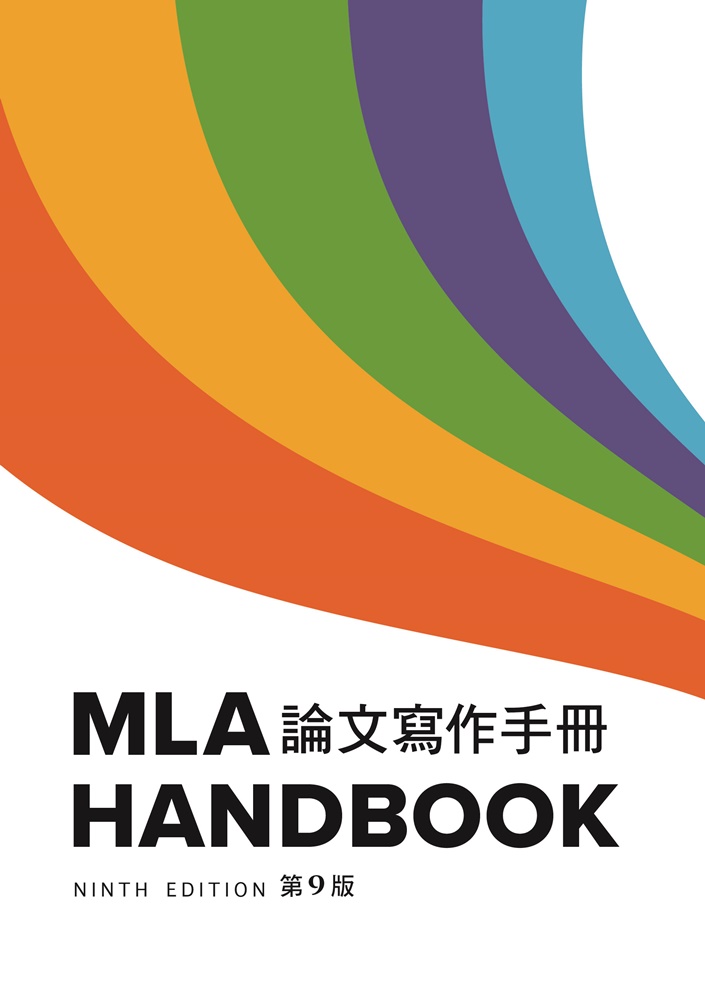
本書為「現代語言學會」(Modern Language Association)指定的論文寫作手冊,指導研究報告及學術論文的寫作法和標準格式。自從問世以來,廣受重視,全球銷售量已超過三百萬冊,為大專學生、研究生、專業學者及出版業者不可或缺的案頭書。本書特色有:
●詳述研究與寫作的基本原則,從構思、搜集資料、整理書目、擬定大綱、撰寫草稿,到修辭和避免抄襲,面面俱佳到。
●搜羅各種資料型態,建立註解及書目製作的格式,不論是參考書籍期刊,還是引用電子郵件,都能找到適當的格式範例。
●列舉各專門領域之主要參考工具或資料庫來源,協助您迅速找到研究所需資料。
第八版新增
●對於引用數位資源有更明確和方便的規範:網址的寫法、引用時間可選擇不列出、DOI (Digital Object Identifier)的引用、引用資訊不夠明確時的做法。
●文中引用的規範改變:引用影片時加上時間、引用非英文作品並翻為英文時應加上 my trans.。
●期刊名稱書名的標示引用:期刊名稱前的冠詞和定冠詞應視為名稱的一部分,不論文中引用或引用資料都要納入。非英文的書名和引用,必須全文統一使用羅馬拼音,或使用該語言書寫系統(旁邊加上英文翻譯)。
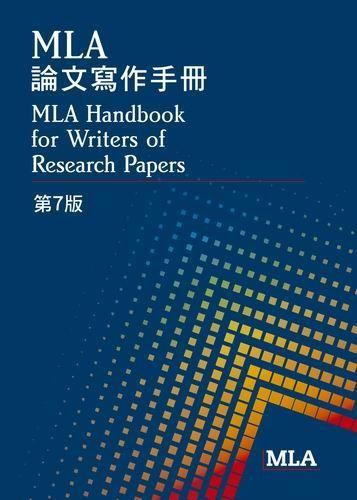
财 其他規範詳見本書內容。更多的細節說明與舉例請參考書中指引,連上MLA網站https://style.mla.org 查詢。此版目前無中譯本發行,但提供中文「出版說明」摘要說明本書要旨,必要時讀者可參考本書第七版中文本《MLA論文寫作手冊》。
●The Modern Language Association, the authority on research and writing, takes a fresh look at documenting sources in the eighth edition of the MLA Handbook. Works are published today in a dizzying range of formats. A book, for example, may be read in print, online, or as an e-book--or perhaps listened to in an audio version. On the Web, modes of publication are regularly invented, combined, and modified. Previous editions of the MLA Handbookprovided separate instructions for each format, and additional instructions were required for new formats. In this groundbreaking new edition of its best-selling handbook, the MLA recommends instead one universal set of guidelines, which writers can apply to any type of source.
●Shorter and redesigned for easy use, the eighth edition of the MLA Handbook guides writers through the principles behind evaluating sources for their research. It then shows them how to cite sources in their writing and create useful entries for the works-cited list.
● More than just a new edition, this is a new MLA style.
●詳述研究與寫作的基本原則,從構思、搜集資料、整理書目、擬定大綱、撰寫草稿,到修辭和避免抄襲,面面俱佳到。
●搜羅各種資料型態,建立註解及書目製作的格式,不論是參考書籍期刊,還是引用電子郵件,都能找到適當的格式範例。
●列舉各專門領域之主要參考工具或資料庫來源,協助您迅速找到研究所需資料。
第八版新增
●對於引用數位資源有更明確和方便的規範:網址的寫法、引用時間可選擇不列出、DOI (Digital Object Identifier)的引用、引用資訊不夠明確時的做法。
●文中引用的規範改變:引用影片時加上時間、引用非英文作品並翻為英文時應加上 my trans.。
●期刊名稱書名的標示引用:期刊名稱前的冠詞和定冠詞應視為名稱的一部分,不論文中引用或引用資料都要納入。非英文的書名和引用,必須全文統一使用羅馬拼音,或使用該語言書寫系統(旁邊加上英文翻譯)。
财 其他規範詳見本書內容。更多的細節說明與舉例請參考書中指引,連上MLA網站https://style.mla.org 查詢。此版目前無中譯本發行,但提供中文「出版說明」摘要說明本書要旨,必要時讀者可參考本書第七版中文本《MLA論文寫作手冊》。
●The Modern Language Association, the authority on research and writing, takes a fresh look at documenting sources in the eighth edition of the MLA Handbook. Works are published today in a dizzying range of formats. A book, for example, may be read in print, online, or as an e-book--or perhaps listened to in an audio version. On the Web, modes of publication are regularly invented, combined, and modified. Previous editions of the MLA Handbookprovided separate instructions for each format, and additional instructions were required for new formats. In this groundbreaking new edition of its best-selling handbook, the MLA recommends instead one universal set of guidelines, which writers can apply to any type of source.
●Shorter and redesigned for easy use, the eighth edition of the MLA Handbook guides writers through the principles behind evaluating sources for their research. It then shows them how to cite sources in their writing and create useful entries for the works-cited list.
● More than just a new edition, this is a new MLA style.
產品目錄
Foreword by Rosemary G. Feal vii
Preface by Kathleen Fitzpatrick ix
Part 1 Principles of MLA Style
Introduction
Why Document Sources?
Plagiarism and Academic Dishonesty
Think: Evaluating Your Sources
Select: Gathering Information about Your Sources
Organize: Creating Your Documentation
The List of Works Cited
The Core Elements
Author
Title of Source
Title of Container
Other Contributors
Version
Number
Publisher
Publication Date
Location
Optional Elements
In-Text Citations
Part 2 Details of MLA Style
Introduction
1. The Mechanics of Scholarly Prose
1.1 Names of Persons
1.1.1 First and Subsequent Uses of Names
1.1.2 Titles of Authors
1.1.3 Names of Authors and Fictional Characters
1.1.4 Names in Languages Other Than English
1.2 Titles of Sources
1.2.1 Capitalization and Punctuation
1.2.2 Italics and Quotation Marks
1.2.3 Shortened Titles
1.2.4 Titles within Titles
1.2.5 Titles of Sources in Languages Other Than English
1.3 Quotations
1.3.1 Use and Accuracy of Quotations
1.3.2 Prose
1.3.3 Poetry
1.3.4 Drama
1.3.5 Ellipsis
1.3.6 Other Alterations of Quotations
1.3.7 Punctuation with Quotations
1.3.8 Translations of Quotations
1.4 Numbers
1.4.1 Use of Numerals or Words
1.4.2 Commas in Numbers
1.4.3 Inclusive Numbers
1.4.4 Roman Numerals
1.5 Dates and Times
1.6 Abbreviations
1.6.1 Months
1.6.2 Common Academic Abbreviations
1.6.3 Publishers’ Names
1.6.4 Titles of Works
2. Works Cited
2.1 Names of Authors
2.1.1 Variant Forms
2.1.2 Titles and Suffixes
2.1.3 Corporate Authors
2.2 Titles
2.2.1 Introduction, Preface, Foreword, or Afterword
2.2.2 Translations of Titles
2.3 Versions
2.4 Publisher
2.5 Locational Elements
2.5.1 Plus Sign with Page Number
2.5.2 URLs and DOIs
2.6 Punctuation in the Works-Cited List
2.6.1 Square Brackets
2.6.2 Forward Slash
2.7 Formatting and Ordering the Works-Cited List
2.7.1 Letter-by-Letter Alphabetization
2.7.2 Multiple Works by One Author
2.7.3 Multiple Works by Coauthors
2.7.4 Alphabetizing by Title
2.7.5 Cross-References
3. In-Text Citations
3.1 Author
3.1.1 Coauthors
3.1.2 Corporate Author
3.2 Title
3.2.1 Abbreviating Titles of Sources
3.2.2 Descriptive Terms in Place of Titles
3.3 Numbers in In-Text Citations
3.3.1 Style of Numerals
3.3.2 Numbers in Works Available in Multiple Editions
3.3.3 Other Citations Not Involving Page Numbers
3.4 Indirect Sources
3.5 Repeated Use of Sources
3.6 Punctuation in the In-Text Citation
4. Citations in Forms Other Than Print
Practice Template
Appendix
What’s New in the Eighth Edition
Formatting a Research Paper
Are Notes Compatible with MLA Style?
Index
Preface by Kathleen Fitzpatrick ix
Part 1 Principles of MLA Style
Introduction
Why Document Sources?
Plagiarism and Academic Dishonesty
Think: Evaluating Your Sources
Select: Gathering Information about Your Sources
Organize: Creating Your Documentation
The List of Works Cited
The Core Elements
Author
Title of Source
Title of Container
Other Contributors
Version
Number
Publisher
Publication Date
Location
Optional Elements
In-Text Citations
Part 2 Details of MLA Style
Introduction
1. The Mechanics of Scholarly Prose
1.1 Names of Persons
1.1.1 First and Subsequent Uses of Names
1.1.2 Titles of Authors
1.1.3 Names of Authors and Fictional Characters
1.1.4 Names in Languages Other Than English
1.2 Titles of Sources
1.2.1 Capitalization and Punctuation
1.2.2 Italics and Quotation Marks
1.2.3 Shortened Titles
1.2.4 Titles within Titles
1.2.5 Titles of Sources in Languages Other Than English
1.3 Quotations
1.3.1 Use and Accuracy of Quotations
1.3.2 Prose
1.3.3 Poetry
1.3.4 Drama
1.3.5 Ellipsis
1.3.6 Other Alterations of Quotations
1.3.7 Punctuation with Quotations
1.3.8 Translations of Quotations
1.4 Numbers
1.4.1 Use of Numerals or Words
1.4.2 Commas in Numbers
1.4.3 Inclusive Numbers
1.4.4 Roman Numerals
1.5 Dates and Times
1.6 Abbreviations
1.6.1 Months
1.6.2 Common Academic Abbreviations
1.6.3 Publishers’ Names
1.6.4 Titles of Works
2. Works Cited
2.1 Names of Authors
2.1.1 Variant Forms
2.1.2 Titles and Suffixes
2.1.3 Corporate Authors
2.2 Titles
2.2.1 Introduction, Preface, Foreword, or Afterword
2.2.2 Translations of Titles
2.3 Versions
2.4 Publisher
2.5 Locational Elements
2.5.1 Plus Sign with Page Number
2.5.2 URLs and DOIs
2.6 Punctuation in the Works-Cited List
2.6.1 Square Brackets
2.6.2 Forward Slash
2.7 Formatting and Ordering the Works-Cited List
2.7.1 Letter-by-Letter Alphabetization
2.7.2 Multiple Works by One Author
2.7.3 Multiple Works by Coauthors
2.7.4 Alphabetizing by Title
2.7.5 Cross-References
3. In-Text Citations
3.1 Author
3.1.1 Coauthors
3.1.2 Corporate Author
3.2 Title
3.2.1 Abbreviating Titles of Sources
3.2.2 Descriptive Terms in Place of Titles
3.3 Numbers in In-Text Citations
3.3.1 Style of Numerals
3.3.2 Numbers in Works Available in Multiple Editions
3.3.3 Other Citations Not Involving Page Numbers
3.4 Indirect Sources
3.5 Repeated Use of Sources
3.6 Punctuation in the In-Text Citation
4. Citations in Forms Other Than Print
Practice Template
Appendix
What’s New in the Eighth Edition
Formatting a Research Paper
Are Notes Compatible with MLA Style?
Index
作者介紹
■作者簡介
現代語言學會(Modern Language Association)
現代語言學會(Modern Language Association)創立於1883年,是美國主要服務語言及文學學者的專業協會。該協會致力於推動人文學科類學者的交流,每年主持年會和其他研討會、並支持人文類書籍的出版。多數語言及文學類的學術論文採用該協會的論文格式撰寫。該協會會員超過24,000名,遍布世界100個國家。
規格
誠品貨碼 / 2681535962001
ISBN13 / 9789574457502
ISBN10 / 9574457508
EAN貨碼 / 9789574457502
頁數 / 176
開數 / 18K
注音版 / 否
裝訂 / P:平裝
語言 / 3:英文
尺寸 / 23X15.5X1CM
級別 / N:無
退貨說明
退貨須知:
- 依照消費者保護法的規定,您享有商品貨到次日起七天猶豫期(含例假日)的權益(請注意!猶豫期非試用期),辦理退貨之商品必須是全新狀態(不得有刮傷、破損、受潮)且需完整(包含全部商品、配件、原廠內外包裝、贈品及所有附隨文件或資料的完整性等)。
- 請您以送貨廠商使用之包裝紙箱將退貨商品包裝妥當,若原紙箱已遺失,請另使用其他紙箱包覆於商品原廠包裝之外,切勿直接於原廠包裝上黏貼紙張或書寫文字。若原廠包裝損毀將可能被認定為已逾越檢查商品之必要程度,本公司得依毀損程度扣除回復原狀必要費用(整新費)後退費;請您先確認商品正確、外觀可接受,再行拆封,以免影響您的權利;若為產品瑕疵,本公司接受退貨。
依「通訊交易解除權合理例外情事適用準則」,下列商品不適用七日猶豫期,除產品本身有瑕疵外,不接受退貨:
- 易於腐敗、保存期限較短或解約時即將逾期。(如:生鮮蔬果、乳製品、冷凍冷藏食材、蛋糕)
- 依消費者要求所為之客製化給付。(如:客製印章、鋼筆刻字)
- 報紙、期刊或雜誌。
- 經消費者拆封之影音商品或電腦軟體。
- 非以有形媒介提供之數位內容或一經提供即為完成之線上服務,經消費者事先同意始提供。(如:電子書)
- 已拆封之個人衛生用品。(如:內衣褲、襪類、褲襪、刮鬍刀、除毛刀等貼身用品)
- 國際航空客運服務。
若您退貨時有下列情形,可能被認定已逾越檢查商品之必要程度而須負擔為回復原狀必要費用(整新費),或影響您的退貨權利,請您在拆封前決定是否要退貨:
- 以數位或電磁紀錄形式儲存或著作權相關之商品(包含但不限於CD、VCD、DVD、電腦軟體等) 包裝已拆封者(除運送用之包裝以外)。
- 耗材(包含但不限於墨水匣、碳粉匣、紙張、筆類墨水、清潔劑補充包等)之商品包裝已拆封者(除運送用之包裝以外)。
- 衣飾鞋類/寢具/織品(包含但不限於衣褲、鞋子、襪子、泳裝、床單、被套、填充玩具)或之商品缺件(含購買商品、附件、內外包裝、贈品等)或經剪標或下水或商品有不可回復之髒污或磨損痕跡。
- 食品、美容/保養用品、內衣褲等消耗性或個人衛生用品、商品銷售頁面上特別載明之商品已拆封者(除運送用之包裝外一切包裝、包括但不限於瓶蓋、封口、封膜等接觸商品內容之包裝部分)或已非全新狀態(外觀有刮傷、破損、受潮等)與包裝不完整(缺少商品、附件、原廠外盒、保護袋、配件紙箱、保麗龍、隨貨文件、贈品等)。
- 家電、3C、畫作、電子閱讀器等商品,除商品本身有瑕疵外,退回之商品已拆封(除運送用之包裝外一切包裝、包括但不限於封膜等接觸商品內容之包裝部分、移除封條、拆除吊牌、拆除貼膠或標籤等情形)或已非全新狀態(外觀有刮傷、破損、受潮等)與包裝不完整(缺少商品、附件、原廠外盒、保護袋、配件紙箱、保麗龍、隨貨文件、贈品等)。
- 退貨程序請參閱【客服專區→常見問題→誠品線上退貨退款】之說明。
付款/配送