防詐3要訣:不聽信、不操作、掛斷電話



79
1,221964
查詢門市庫存
內容簡介
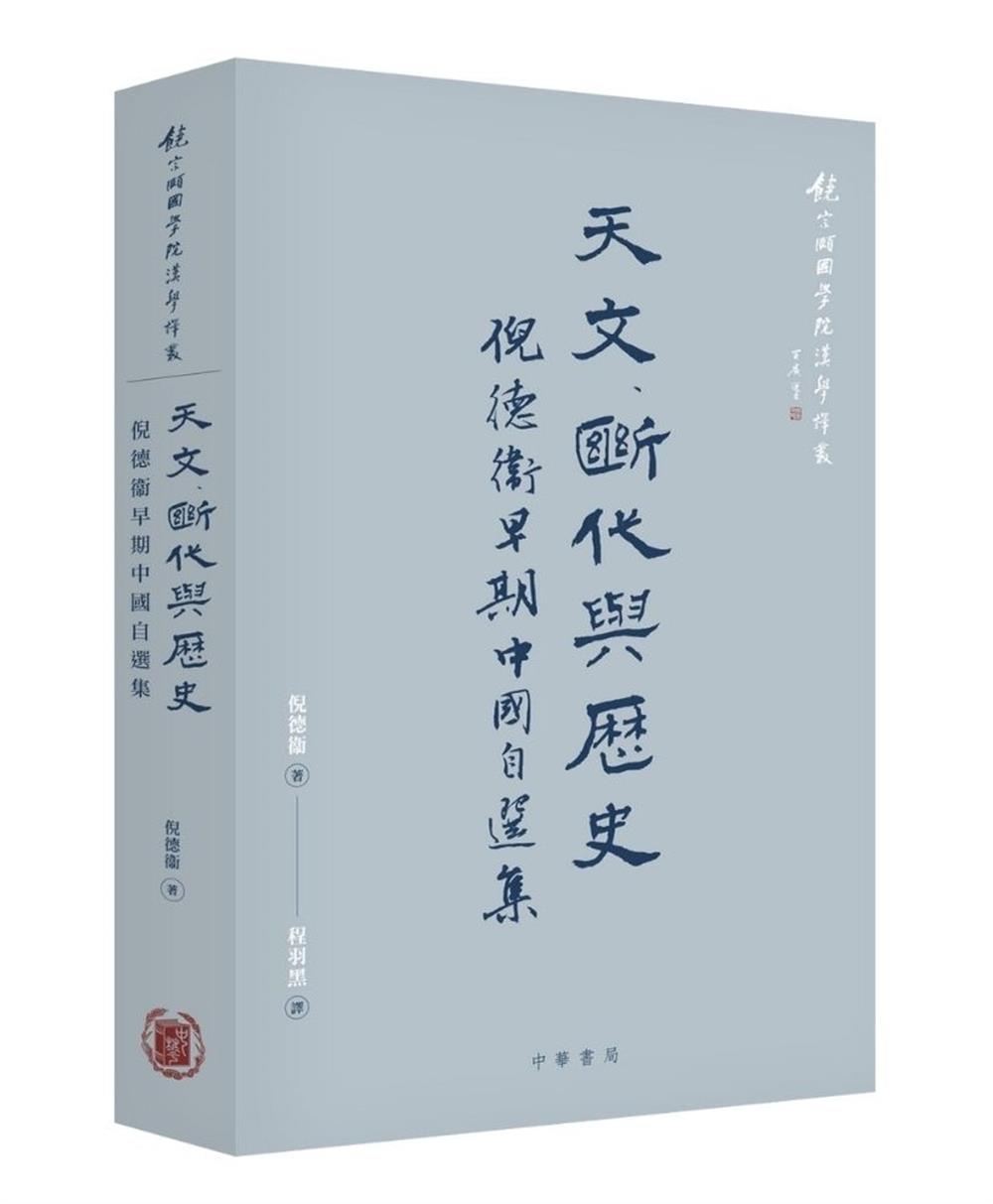
This book is the result of discoveries made by Nivison beginning in 1979, It uses critically (without superseding) his monographs from 1983 through 2002, combined with his discoveries through 2008. Its main thrust is to show that the methods and results of the PRC “Three Dynasties Project” are invalid, and that recovering chronology before 841 BCE can be solved only by using the supposedly spurious Jinben Zhushu Jinian (“Modern Text” Bamboo Annals), combined with hypothesis that reign lengths of record were normally the years after completion of mourning for the preceding king. Part One presents resulting exact dates form the beginning of Xia, confirmed by discoveries in astronomy by D. W. Pankenier and Kevin Pang. Part Two criticizes the Three-years Dynasties Project and argues for the post-mourning hypothesis and the high antiquity of the three-years mourning institution. In Part Three, applying a discovery by E. L. Shaughnessy, the author reconstructs the first 303 bamboo strips of the original Bamboo Annals text (perhaps five-sevenths of the whole). In so doing he shows that the entire chronology in the Zhushu jinian is the product of Warring States manipulation of the true chronology; therefore any attempt to recover accurate dates must begin by analyzing the “Modern” Zhushu jinian – which the Project ignored completely. Appendices present more data and analysis, notably (Appendix 4) pinpointing the source of the Project’s errors in dating late Shang events.
產品目錄
3 Preface (2007)
7 Introduction (2007)
Part One: Recovery of Information from the Bamboo Annals
15 Chapter One The Date of the Zhou Conquest of Shang (1997)
27 Attachment 1: The Myth of the Preliminary Campaign (2007)
31 Astrology of the Conquest Campaign (2007)
35 Chapter Two Chronology of the Three Dynasties (2000)
53 Attachment: The 853 Problem (2007)
Part Two: The Challenge of the Three Dynasties Project (1996-2000)
59 Introduction to Part Two
63 Chapter Three Getting the Dates Right: The Xia-Shang-Zhou Chronology Project
72 Criticism of the Sandai Project "Brief Report" (2000)
75 Chapter Four The Three Dynasties Chronology Project: Two Approaches to Dating
81 Chapter Five The H. G. Creel Lecture (University of Chicago 2002):“The Three Years Mourning Institution and the Chronology of Ancient China”
101 Chapter Six “Zai Tan” (written for international conference on chronology, set for Oct ‘03, suspended): a plea for a conference on the Bamboo Annals
Part Three: Recovery of the Strip Text of the Bamboo Annals
113 Introduction to Part Three
115 Chapter Seven Recovery of Strip Text (AAS April 2006)
123 Chapter Eight Strip Text, Huang Di through Jin Wu Gong (2006)
177 Chapter Nine Evolution of Chronology and Text (2006)
193 Appendix 1: Sandai Science Survey (2000)
209 Appendix 2: Material Supporting “Two Approaches to Dating” (2002)
219 Appendix 3: Proposed Absolute Dates for Fully Dated Bronzes (2007)
229 Appendix 4: The Late Shang Ritual Cycle (2007 and 2008)
261 Bibliography
275 Index
7 Introduction (2007)
Part One: Recovery of Information from the Bamboo Annals
15 Chapter One The Date of the Zhou Conquest of Shang (1997)
27 Attachment 1: The Myth of the Preliminary Campaign (2007)
31 Astrology of the Conquest Campaign (2007)
35 Chapter Two Chronology of the Three Dynasties (2000)
53 Attachment: The 853 Problem (2007)
Part Two: The Challenge of the Three Dynasties Project (1996-2000)
59 Introduction to Part Two
63 Chapter Three Getting the Dates Right: The Xia-Shang-Zhou Chronology Project
72 Criticism of the Sandai Project "Brief Report" (2000)
75 Chapter Four The Three Dynasties Chronology Project: Two Approaches to Dating
81 Chapter Five The H. G. Creel Lecture (University of Chicago 2002):“The Three Years Mourning Institution and the Chronology of Ancient China”
101 Chapter Six “Zai Tan” (written for international conference on chronology, set for Oct ‘03, suspended): a plea for a conference on the Bamboo Annals
Part Three: Recovery of the Strip Text of the Bamboo Annals
113 Introduction to Part Three
115 Chapter Seven Recovery of Strip Text (AAS April 2006)
123 Chapter Eight Strip Text, Huang Di through Jin Wu Gong (2006)
177 Chapter Nine Evolution of Chronology and Text (2006)
193 Appendix 1: Sandai Science Survey (2000)
209 Appendix 2: Material Supporting “Two Approaches to Dating” (2002)
219 Appendix 3: Proposed Absolute Dates for Fully Dated Bronzes (2007)
229 Appendix 4: The Late Shang Ritual Cycle (2007 and 2008)
261 Bibliography
275 Index
作者介紹
David S. Nivison(倪德衛)
Born in Maine, U.S.A., in 1923, David Shepherd Nivison was educated at Harvard: AB summa cum laude 1946, PhD 1953. His teachers included J. Robert. Hightower, John K. Fairbank and William Hung (Hong Ye). During the War he served in the Army translating Japanese. From 1984 on, he taught at Stanford University. In the 1950’s he collaborated in publishing with Arthur F, Wright. In 1954-55 he was a Fulbright Fellow in Kyoto, Japan. His best known book is The Life and Thought of Chang Hsueh-ch’eng (Zhang Xuecheng), 1966, awarded the Prix Stanislaus-Julien in Paris in 1967. His studies of late Shang and early Zhou inions began informally with his friend David N. Keightley (Professor of History, University of California at Berkeley) in 1971. He was a Guggenheim Fellow at Oxford in 1973. In 1980 he was president of the Pacific Division of the American Philosophical Association. Other professional memberships include the Association for Asian Studies, the American Oriental Society (president, Western Branch, 1971-72), the Society for the Study of Early China and the International Academy of Chinese Culture (Beijing). Nivison retired from Stanford in 1988 as Water Y. Evans-Wentz Professor of Oriental Philosophies, Religions and Ethics. Several of his publications have been republished in Chinese: two translations of his book on Zhang Xuecheng (2003), a book of essays on Chinese philosophy (The Ways of Confucianism (1996), in 2006), and a major of monograph on chronology (1999, translation by Shao Dongfang, 2002). His students include major scholars in the United States and in the Far East. Nivison has published more than sixty professional papers.
Born in Maine, U.S.A., in 1923, David Shepherd Nivison was educated at Harvard: AB summa cum laude 1946, PhD 1953. His teachers included J. Robert. Hightower, John K. Fairbank and William Hung (Hong Ye). During the War he served in the Army translating Japanese. From 1984 on, he taught at Stanford University. In the 1950’s he collaborated in publishing with Arthur F, Wright. In 1954-55 he was a Fulbright Fellow in Kyoto, Japan. His best known book is The Life and Thought of Chang Hsueh-ch’eng (Zhang Xuecheng), 1966, awarded the Prix Stanislaus-Julien in Paris in 1967. His studies of late Shang and early Zhou inions began informally with his friend David N. Keightley (Professor of History, University of California at Berkeley) in 1971. He was a Guggenheim Fellow at Oxford in 1973. In 1980 he was president of the Pacific Division of the American Philosophical Association. Other professional memberships include the Association for Asian Studies, the American Oriental Society (president, Western Branch, 1971-72), the Society for the Study of Early China and the International Academy of Chinese Culture (Beijing). Nivison retired from Stanford in 1988 as Water Y. Evans-Wentz Professor of Oriental Philosophies, Religions and Ethics. Several of his publications have been republished in Chinese: two translations of his book on Zhang Xuecheng (2003), a book of essays on Chinese philosophy (The Ways of Confucianism (1996), in 2006), and a major of monograph on chronology (1999, translation by Shao Dongfang, 2002). His students include major scholars in the United States and in the Far East. Nivison has published more than sixty professional papers.
規格
誠品貨碼 / 2682065168000
ISBN13 / 9789868518216
ISBN10 / 9868518210
EAN貨碼 / 9789868518216
頁數 / 304
裝訂 / P:平裝
語言 / 3:英文
尺寸 / 28X21X1CM
級別 / N:無
退貨說明
退貨須知:
- 依照消費者保護法的規定,您享有商品貨到次日起七天猶豫期(含例假日)的權益(請注意!猶豫期非試用期),辦理退貨之商品必須是全新狀態(不得有刮傷、破損、受潮)且需完整(包含全部商品、配件、原廠內外包裝、贈品及所有附隨文件或資料的完整性等)。
- 請您以送貨廠商使用之包裝紙箱將退貨商品包裝妥當,若原紙箱已遺失,請另使用其他紙箱包覆於商品原廠包裝之外,切勿直接於原廠包裝上黏貼紙張或書寫文字。若原廠包裝損毀將可能被認定為已逾越檢查商品之必要程度,本公司得依毀損程度扣除回復原狀必要費用(整新費)後退費;請您先確認商品正確、外觀可接受,再行拆封,以免影響您的權利;若為產品瑕疵,本公司接受退貨。
依「通訊交易解除權合理例外情事適用準則」,下列商品不適用七日猶豫期,除產品本身有瑕疵外,不接受退貨:
- 易於腐敗、保存期限較短或解約時即將逾期。(如:生鮮蔬果、乳製品、冷凍冷藏食材、蛋糕)
- 依消費者要求所為之客製化給付。(如:客製印章、鋼筆刻字)
- 報紙、期刊或雜誌。
- 經消費者拆封之影音商品或電腦軟體。
- 非以有形媒介提供之數位內容或一經提供即為完成之線上服務,經消費者事先同意始提供。(如:電子書)
- 已拆封之個人衛生用品。(如:內衣褲、襪類、褲襪、刮鬍刀、除毛刀等貼身用品)
- 國際航空客運服務。
若您退貨時有下列情形,可能被認定已逾越檢查商品之必要程度而須負擔為回復原狀必要費用(整新費),或影響您的退貨權利,請您在拆封前決定是否要退貨:
- 以數位或電磁紀錄形式儲存或著作權相關之商品(包含但不限於CD、VCD、DVD、電腦軟體等) 包裝已拆封者(除運送用之包裝以外)。
- 耗材(包含但不限於墨水匣、碳粉匣、紙張、筆類墨水、清潔劑補充包等)之商品包裝已拆封者(除運送用之包裝以外)。
- 衣飾鞋類/寢具/織品(包含但不限於衣褲、鞋子、襪子、泳裝、床單、被套、填充玩具)或之商品缺件(含購買商品、附件、內外包裝、贈品等)或經剪標或下水或商品有不可回復之髒污或磨損痕跡。
- 食品、美容/保養用品、內衣褲等消耗性或個人衛生用品、商品銷售頁面上特別載明之商品已拆封者(除運送用之包裝外一切包裝、包括但不限於瓶蓋、封口、封膜等接觸商品內容之包裝部分)或已非全新狀態(外觀有刮傷、破損、受潮等)與包裝不完整(缺少商品、附件、原廠外盒、保護袋、配件紙箱、保麗龍、隨貨文件、贈品等)。
- 家電、3C、畫作、電子閱讀器等商品,除商品本身有瑕疵外,退回之商品已拆封(除運送用之包裝外一切包裝、包括但不限於封膜等接觸商品內容之包裝部分、移除封條、拆除吊牌、拆除貼膠或標籤等情形)或已非全新狀態(外觀有刮傷、破損、受潮等)與包裝不完整(缺少商品、附件、原廠外盒、保護袋、配件紙箱、保麗龍、隨貨文件、贈品等)。
- 退貨程序請參閱【客服專區→常見問題→誠品線上退貨退款】之說明。
付款/配送