防詐3要訣:不聽信、不操作、掛斷電話



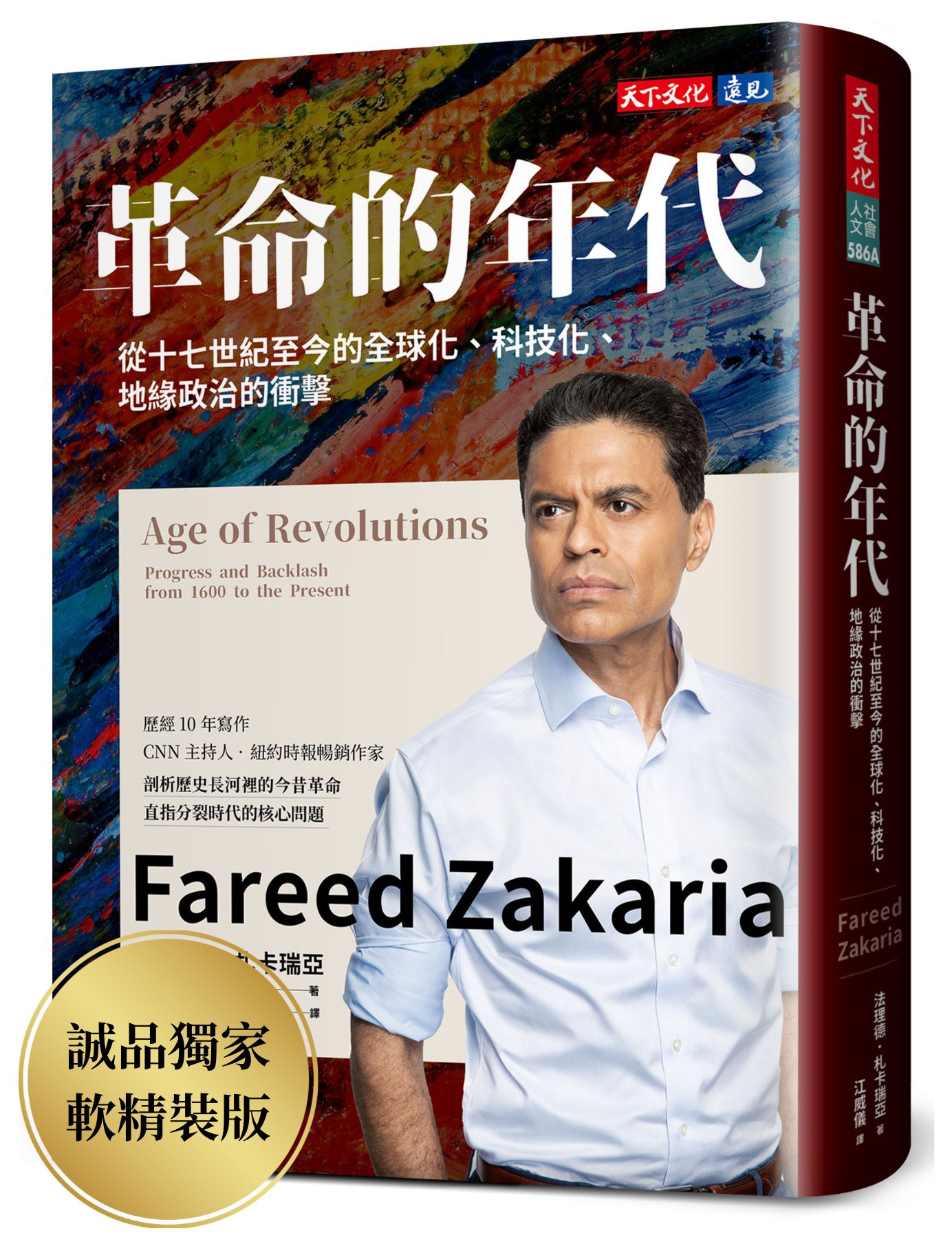
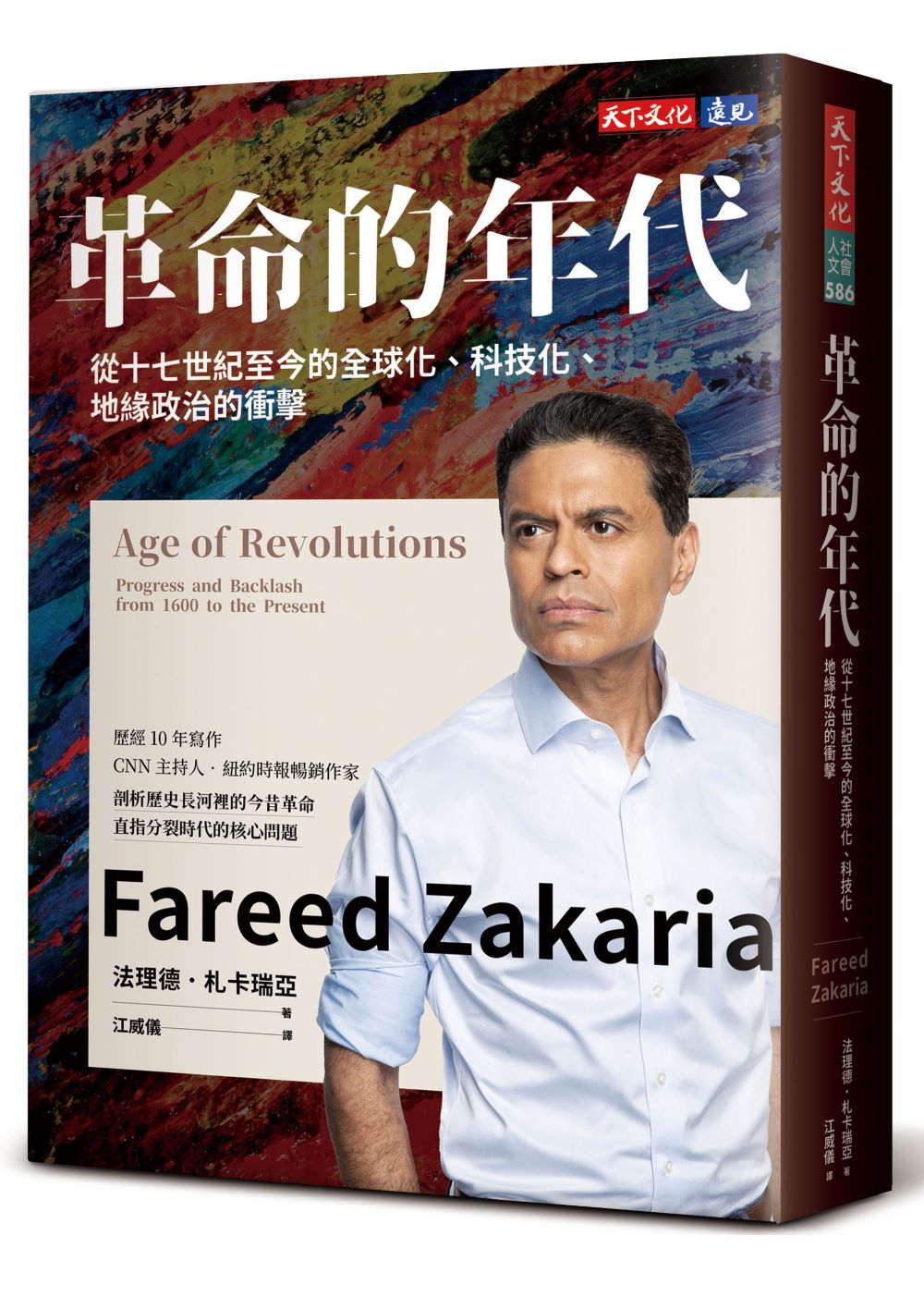
La Era de Las Revoluciones / Age of Revolutions
SPA-ERA DE LAS REVOLUCIONES /
出版社:
出版日期:
2026/09/21
9
1,025922
訂單自國外空運,約14-21個工作天(不含例假日)到貨後依序出貨。為縮短等待,建議將此商品和其他商品分開下單。
查詢門市庫存
內容簡介
El presentador de CNN y autor de éxitos de ventas analiza las revoluciones --pasadas y presentes-- que definen la época polarizada e inestable en la que vivimos. «Pocos pensadores pueden captar la complejidad de este momento, pero Fareed Zakaria lo hace con maestría . --The Wall Street Journal
A lo largo de la historia moderna, las revoluciones han impulsado las libertades y el progreso, pero también han suscitado violentas reacciones en contra. En La era de las revoluciones, Fareed Zakaria traza un ambicioso recorrido por los grandes momentos de transformación que han configurado el mundo contemporáneo, desde el surgimiento del liberalismo hasta las inestabilidades que hoy amenazan con hacerlo retroceder. El relato arranca en la República Holandesa del siglo XVII, primera superpotencia moderna y refugio de la libertad individual, cuyas ideas se propagaron en Inglaterra con la Revolución Gloriosa. Continúa con la Revolución francesa, ejemplo del peligro que entrañan los cambios radicales impuestos desde arriba, y con la Revolución Industrial, la «madre de todas las revoluciones , que empujó a Gran Bretaña y Estados Unidos al liderazgo global, al tiempo que sembraba profundas divisiones sociales y políticas. La globalización, la transformación tecnológica, la política identitaria y el retorno de la rivalidad entre las grandes potencias constituyen las grandes revoluciones de nuestro tiempo. Y ya nos están enfrentando a enormes retos. Ante el auge de la furia populista, el deterioro de las democracias y la amenaza del tribalismo, el autor lanza una importante advertencia: la gran fortaleza del liberalismo -liberar a los individuos- puede convertirse también en su mayor debilidad si su avance deja tras de sí un vacío moral y social, porque es en ese vacío donde prosperan los movimientos reaccionarios.
ENGLISH DESCRIPTION A New York Times Bestseller - A Wall Street Journal Best Book of 2024 The CNN host and best-selling author explores the revolutions--past and present--that define the polarized and unstable age in which we live.
Populist rage, ideological fracture, economic and technological shocks, war, and an international system studded with catastrophic risk--the early decades of the twenty-first century may be the most revolutionary period in modern history. But it is not the first. Humans have lived, and thrived, through more than one great realignment. What are these revolutions, and how can they help us to understand our fraught world? In this major work, Fareed Zakaria masterfully investigates the eras and movements that have shaken norms while shaping the modern world. Three such periods hold profound lessons for today. First, in the seventeenth-century Netherlands, a fascinating series of transformations made that tiny land the richest in the world--and created politics as we know it today. Next, the French Revolution, an explosive era that devoured its ideological children and left a bloody legacy that haunts us today. Finally, the mother of all revolutions, the Industrial Revolution, which catapulted Great Britain and the US to global dominance and created the modern world. Alongside these paradigm-shifting historical events, Zakaria probes four present-day revolutions: globalization, technology, identity, and geopolitics. For all their benefits, the globalization and technology revolutions have produced profound disruptions and pervasive anxiety and our identity. And increasingly, identity is the battlefield on which the twenty-first century's polarized politics are fought. All this is set against a geopolitical revolution as great as the one that catapulted the United States to world power in the late nineteenth century. Now we are entering a world in which the US is no longer the dominant power. As we find ourselves at the nexus of four seismic revolutions, we can easily imagine a dark future. But Zakaria proves that pessimism is premature. If we act wisely, the liberal international order can be revived and populism relegated to the ash heap of history.
As few public intellectuals can, Zakaria combines intellectual range, deep historical insight, and uncanny prescience to once again reframe and illuminate our turbulent present. His bold, compelling arguments make this book essential reading in our age of revolutions.
A lo largo de la historia moderna, las revoluciones han impulsado las libertades y el progreso, pero también han suscitado violentas reacciones en contra. En La era de las revoluciones, Fareed Zakaria traza un ambicioso recorrido por los grandes momentos de transformación que han configurado el mundo contemporáneo, desde el surgimiento del liberalismo hasta las inestabilidades que hoy amenazan con hacerlo retroceder. El relato arranca en la República Holandesa del siglo XVII, primera superpotencia moderna y refugio de la libertad individual, cuyas ideas se propagaron en Inglaterra con la Revolución Gloriosa. Continúa con la Revolución francesa, ejemplo del peligro que entrañan los cambios radicales impuestos desde arriba, y con la Revolución Industrial, la «madre de todas las revoluciones , que empujó a Gran Bretaña y Estados Unidos al liderazgo global, al tiempo que sembraba profundas divisiones sociales y políticas. La globalización, la transformación tecnológica, la política identitaria y el retorno de la rivalidad entre las grandes potencias constituyen las grandes revoluciones de nuestro tiempo. Y ya nos están enfrentando a enormes retos. Ante el auge de la furia populista, el deterioro de las democracias y la amenaza del tribalismo, el autor lanza una importante advertencia: la gran fortaleza del liberalismo -liberar a los individuos- puede convertirse también en su mayor debilidad si su avance deja tras de sí un vacío moral y social, porque es en ese vacío donde prosperan los movimientos reaccionarios.
ENGLISH DESCRIPTION A New York Times Bestseller - A Wall Street Journal Best Book of 2024 The CNN host and best-selling author explores the revolutions--past and present--that define the polarized and unstable age in which we live.
Populist rage, ideological fracture, economic and technological shocks, war, and an international system studded with catastrophic risk--the early decades of the twenty-first century may be the most revolutionary period in modern history. But it is not the first. Humans have lived, and thrived, through more than one great realignment. What are these revolutions, and how can they help us to understand our fraught world? In this major work, Fareed Zakaria masterfully investigates the eras and movements that have shaken norms while shaping the modern world. Three such periods hold profound lessons for today. First, in the seventeenth-century Netherlands, a fascinating series of transformations made that tiny land the richest in the world--and created politics as we know it today. Next, the French Revolution, an explosive era that devoured its ideological children and left a bloody legacy that haunts us today. Finally, the mother of all revolutions, the Industrial Revolution, which catapulted Great Britain and the US to global dominance and created the modern world. Alongside these paradigm-shifting historical events, Zakaria probes four present-day revolutions: globalization, technology, identity, and geopolitics. For all their benefits, the globalization and technology revolutions have produced profound disruptions and pervasive anxiety and our identity. And increasingly, identity is the battlefield on which the twenty-first century's polarized politics are fought. All this is set against a geopolitical revolution as great as the one that catapulted the United States to world power in the late nineteenth century. Now we are entering a world in which the US is no longer the dominant power. As we find ourselves at the nexus of four seismic revolutions, we can easily imagine a dark future. But Zakaria proves that pessimism is premature. If we act wisely, the liberal international order can be revived and populism relegated to the ash heap of history.
As few public intellectuals can, Zakaria combines intellectual range, deep historical insight, and uncanny prescience to once again reframe and illuminate our turbulent present. His bold, compelling arguments make this book essential reading in our age of revolutions.
作者介紹
Fareed Zakaria (Bombay, 1964) presenta el principal programa de asuntos internacionales de la CNN, Fareed Zakaria GPS, que se emite en 220 millones de hogares de todo el mundo, y escribe una columna semanal para The Washington Post.
規格
誠品貨碼 /
ISBN13 / 9788410214446
ISBN10 /
EAN貨碼 / 9788410214446
裝訂 / P:平裝
頁數 / 448
重量(g) / 612.3
語言 / 7:西班牙文
級別 / N:無
尺寸 / 22.9X14.8X3.6CM
退貨說明
退貨須知:
- 依照消費者保護法的規定,您享有商品貨到次日起七天猶豫期(含例假日)的權益(請注意!猶豫期非試用期),辦理退貨之商品必須是全新狀態(不得有刮傷、破損、受潮)且需完整(包含全部商品、配件、原廠內外包裝、贈品及所有附隨文件或資料的完整性等)。
- 請您以送貨廠商使用之包裝紙箱將退貨商品包裝妥當,若原紙箱已遺失,請另使用其他紙箱包覆於商品原廠包裝之外,切勿直接於原廠包裝上黏貼紙張或書寫文字。若原廠包裝損毀將可能被認定為已逾越檢查商品之必要程度,本公司得依毀損程度扣除回復原狀必要費用(整新費)後退費;請您先確認商品正確、外觀可接受,再行拆封,以免影響您的權利;若為產品瑕疵,本公司接受退貨。
依「通訊交易解除權合理例外情事適用準則」,下列商品不適用七日猶豫期,除產品本身有瑕疵外,不接受退貨:
- 易於腐敗、保存期限較短或解約時即將逾期。(如:生鮮蔬果、乳製品、冷凍冷藏食材、蛋糕)
- 依消費者要求所為之客製化給付。(如:客製印章、鋼筆刻字)
- 報紙、期刊或雜誌。
- 經消費者拆封之影音商品或電腦軟體。
- 非以有形媒介提供之數位內容或一經提供即為完成之線上服務,經消費者事先同意始提供。(如:電子書)
- 已拆封之個人衛生用品。(如:內衣褲、襪類、褲襪、刮鬍刀、除毛刀等貼身用品)
- 國際航空客運服務。
若您退貨時有下列情形,可能被認定已逾越檢查商品之必要程度而須負擔為回復原狀必要費用(整新費),或影響您的退貨權利,請您在拆封前決定是否要退貨:
- 以數位或電磁紀錄形式儲存或著作權相關之商品(包含但不限於CD、VCD、DVD、電腦軟體等) 包裝已拆封者(除運送用之包裝以外)。
- 耗材(包含但不限於墨水匣、碳粉匣、紙張、筆類墨水、清潔劑補充包等)之商品包裝已拆封者(除運送用之包裝以外)。
- 衣飾鞋類/寢具/織品(包含但不限於衣褲、鞋子、襪子、泳裝、床單、被套、填充玩具)或之商品缺件(含購買商品、附件、內外包裝、贈品等)或經剪標或下水或商品有不可回復之髒污或磨損痕跡。
- 食品、美容/保養用品、內衣褲等消耗性或個人衛生用品、商品銷售頁面上特別載明之商品已拆封者(除運送用之包裝外一切包裝、包括但不限於瓶蓋、封口、封膜等接觸商品內容之包裝部分)或已非全新狀態(外觀有刮傷、破損、受潮等)與包裝不完整(缺少商品、附件、原廠外盒、保護袋、配件紙箱、保麗龍、隨貨文件、贈品等)。
- 家電、3C、畫作、電子閱讀器等商品,除商品本身有瑕疵外,退回之商品已拆封(除運送用之包裝外一切包裝、包括但不限於封膜等接觸商品內容之包裝部分、移除封條、拆除吊牌、拆除貼膠或標籤等情形)或已非全新狀態(外觀有刮傷、破損、受潮等)與包裝不完整(缺少商品、附件、原廠外盒、保護袋、配件紙箱、保麗龍、隨貨文件、贈品等)。
- 退貨程序請參閱【客服專區→常見問題→誠品線上退貨退款】之說明。
付款/配送