防詐3要訣:不聽信、不操作、掛斷電話




A Guide to Open Water Lifesaving: Lessons on Love, Care, and Survival
A Memoir
內容簡介
若你深愛的人正在溺水,你會跳入水中嗎?你有能力將你們兩人都安全帶回岸上嗎?《開放水域救生指南》是一部震撼人心且極具共鳴的照護者告白。當伴侶遇襲遭暴力重傷後,作者扛起照護重擔,卻陷入體制冷漠與創傷深淵。她轉而考取救生與野外急救執照,將救援智慧化為生存心法。獻給所有身心俱疲的照顧者:我們無須獨自面對!
你所愛的人——或許是你這輩子最深愛的人——正在水中掙扎溺水。你會跳進水裡嗎?你有辦法把你們兩個人都帶回岸上嗎?
在某個深夜,維吉尼亞·尤班克斯(Virginia Eubanks)接到了我們所有人最深恐的噩耗。她摯愛的伴侶在離家僅幾步之遙的地方,遭受了極其殘忍的暴力襲擊。
她義無反顧地跳進了水裡。
尤班克斯縱身投入了照護者的重擔之中。在隨後的數週、數月乃至數年裡,她與伴侶 J. 艱難地在波浪般接踵而至的挫折中維持呼吸:警察的漠不關心、失效的醫療保險、匱乏的醫療照護、中斷的收入、離散的朋友、永無止境的行政繁文褥節,以及 J. 身上極其嚴重的創傷後應激障礙(PTSD)。隨後,第二個病例出現了——尤班克斯自己也罹患了所謂的「附帶性 PTSD(Collateral PTSD)」,這種症狀在照護者身上極為常見,卻鮮少有人提及。
她望向地平線,搜尋著救援的曙光。
身兼記者與社會活動家,尤班克斯轉向權威管道尋找指引:科學家、心理治療師、創傷理論家、社會運動者。然而,直到她偶然翻開一本古老的救生手冊,她才找到了真正發揮作用的建議。受這些救生課業的啟發,她報名參加了野外急救、獨木舟自救、冬日生存技巧、地圖與指南針定向、開路越野(Bushwhacking)以及救生員訓練。她走出去尋找他人的故事,採訪了從神經科學家到護林員等各界專家。她汲取技能與知識,讓自己感到堅定、稱職,並能更好地面對眼前的挑戰。
《開放水域救生指南》既帶著讓人放下防備的幽默,又蘊含著沉靜的睿智。這是一個令人心碎卻又無比引發共鳴的故事——記錄了一位女性如何竭盡全力拯救摯愛,並在此過程中體悟到,她同時也必須拯救自己。
本書交織著失去與連結,是一段動人且充滿希望的愛情故事,講述兩個人如何陷入屬於他們的荒野,並努力不僅要活下去,更要真正彼此關懷。它敦促我們重新審視自己照顧至親與對待自己的方式,並銘記那些支撐著我們的「照護共同體」。
它溫柔地提醒著我們:沒有人能獨自在荒野中存活。
Someone you love, maybe the person you love most in the world, is drowning. Should you jump in the water? Will you be able to bring both of you back to shore?
One night, Virginia Eubanks received the kind of news we all fear. Her beloved partner had been brutally beaten, just steps from their home.
She jumped in the water.
Eubanks dove into the responsibilities of caregiving. In the weeks, months, and years that followed, she and her partner, J., struggled to stay afloat as they faced wave upon wave of setbacks: police disinterest, suspended health insurance, inadequate medical care, lost income, lost friends, endless paperwork, and, for J., a serious case of post-traumatic stress disorder. Then, a second case. Eubanks herself developed what is known as collateral PTSD, a condition common among caregivers but rarely discussed.
She scanned the horizon for help.
A reporter and an activist, Eubanks turned to reliable sources for guidance: scientists, therapists, trauma theorists, social movements. But it wasn’t until she happened on an old lifesaving manual that she found advice that actually helped. Inspired by its lessons, she signed up for instruction in wilderness first aid, kayak self-rescue, Winter Survival 101, map and compass navigation, bushwhacking, and lifeguarding. She went out in search of other people’s stories and interviewed experts―everyone from neuroscientists to forest rangers. She gathered skills and knowledge that made her feel strong, competent, better prepared for the challenges ahead.
Disarmingly funny and quietly wise, A Guide to Open Water Lifesaving is the story―heart-wrenching and all too relatable―of how one woman tried to rescue her beloved and learned that she would also have to rescue herself. Built from both loss and connection, it is a moving, hopeful love story about two people caught in their own kind of wilderness, trying not just to survive but to truly care for each other. It asks that we reconsider the ways in which we tend to our loved ones and ourselves, and remember the communities of care that sustain us. It reminds us: no one survives the wilderness alone.
作者介紹
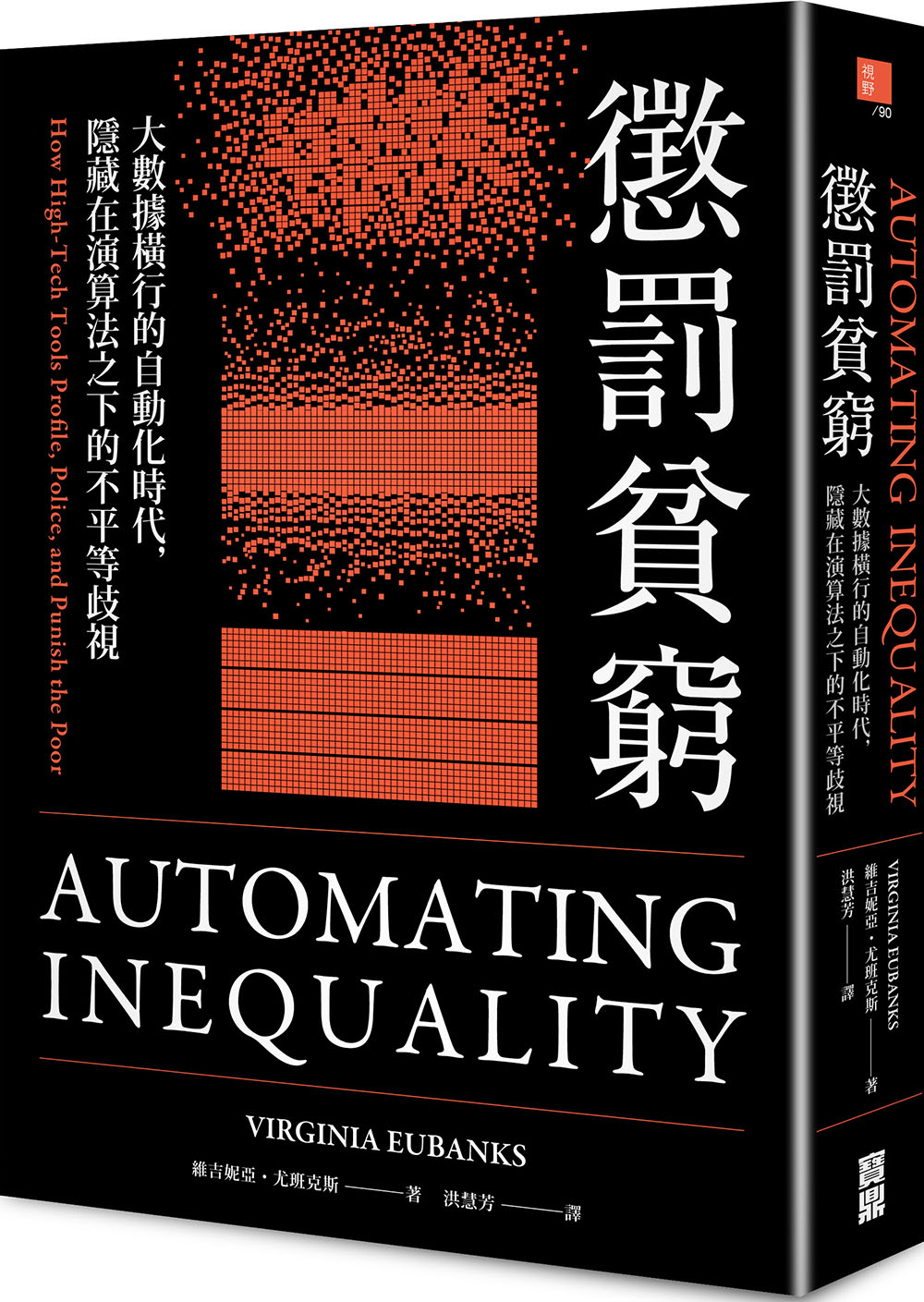
Virginia Eubanks is an investigative journalist whose work has appeared in The New York Times Magazine, Harper’s Magazine, The Guardian, Nature, and Scientific American. She is the author of Automating Inequality: How HighTech Tools Profile, Police, and Punish the Poor. She is an associate professor of political science at the University at Albany, State University of New York. When not sleeping in her truck in the Adirondacks, she lives in Troy, New York.
各界推薦
“Eubanks is both a thorough reporter and a beautiful prose stylist . . . This eloquent, well-buttressed plea for improved support for trauma survivors is itself a significant contribution.”―Kirkus Reviews (starred review)
“Gorgeous . . . This account brims with such unadorned wisdom, though it’s anything but boring. Readers who’ve helped loved ones through a difficult time will be wowed.”―Publishers Weekly (starred review)
規格
退貨說明
退貨須知:
- 依照消費者保護法的規定,您享有商品貨到次日起七天猶豫期(含例假日)的權益(請注意!猶豫期非試用期),辦理退貨之商品必須是全新狀態(不得有刮傷、破損、受潮)且需完整(包含全部商品、配件、原廠內外包裝、贈品及所有附隨文件或資料的完整性等)。
- 請您以送貨廠商使用之包裝紙箱將退貨商品包裝妥當,若原紙箱已遺失,請另使用其他紙箱包覆於商品原廠包裝之外,切勿直接於原廠包裝上黏貼紙張或書寫文字。若原廠包裝損毀將可能被認定為已逾越檢查商品之必要程度,本公司得依毀損程度扣除回復原狀必要費用(整新費)後退費;請您先確認商品正確、外觀可接受,再行拆封,以免影響您的權利;若為產品瑕疵,本公司接受退貨。
依「通訊交易解除權合理例外情事適用準則」,下列商品不適用七日猶豫期,除產品本身有瑕疵外,不接受退貨:
- 易於腐敗、保存期限較短或解約時即將逾期。(如:生鮮蔬果、乳製品、冷凍冷藏食材、蛋糕)
- 依消費者要求所為之客製化給付。(如:客製印章、鋼筆刻字)
- 報紙、期刊或雜誌。
- 經消費者拆封之影音商品或電腦軟體。
- 非以有形媒介提供之數位內容或一經提供即為完成之線上服務,經消費者事先同意始提供。(如:電子書)
- 已拆封之個人衛生用品。(如:內衣褲、襪類、褲襪、刮鬍刀、除毛刀等貼身用品)
- 國際航空客運服務。
若您退貨時有下列情形,可能被認定已逾越檢查商品之必要程度而須負擔為回復原狀必要費用(整新費),或影響您的退貨權利,請您在拆封前決定是否要退貨:
- 以數位或電磁紀錄形式儲存或著作權相關之商品(包含但不限於CD、VCD、DVD、電腦軟體等) 包裝已拆封者(除運送用之包裝以外)。
- 耗材(包含但不限於墨水匣、碳粉匣、紙張、筆類墨水、清潔劑補充包等)之商品包裝已拆封者(除運送用之包裝以外)。
- 衣飾鞋類/寢具/織品(包含但不限於衣褲、鞋子、襪子、泳裝、床單、被套、填充玩具)或之商品缺件(含購買商品、附件、內外包裝、贈品等)或經剪標或下水或商品有不可回復之髒污或磨損痕跡。
- 食品、美容/保養用品、內衣褲等消耗性或個人衛生用品、商品銷售頁面上特別載明之商品已拆封者(除運送用之包裝外一切包裝、包括但不限於瓶蓋、封口、封膜等接觸商品內容之包裝部分)或已非全新狀態(外觀有刮傷、破損、受潮等)與包裝不完整(缺少商品、附件、原廠外盒、保護袋、配件紙箱、保麗龍、隨貨文件、贈品等)。
- 家電、3C、畫作、電子閱讀器等商品,除商品本身有瑕疵外,退回之商品已拆封(除運送用之包裝外一切包裝、包括但不限於封膜等接觸商品內容之包裝部分、移除封條、拆除吊牌、拆除貼膠或標籤等情形)或已非全新狀態(外觀有刮傷、破損、受潮等)與包裝不完整(缺少商品、附件、原廠外盒、保護袋、配件紙箱、保麗龍、隨貨文件、贈品等)。
- 退貨程序請參閱【客服專區→常見問題→誠品線上退貨退款】之說明。