防詐3要訣:不聽信、不操作、掛斷電話



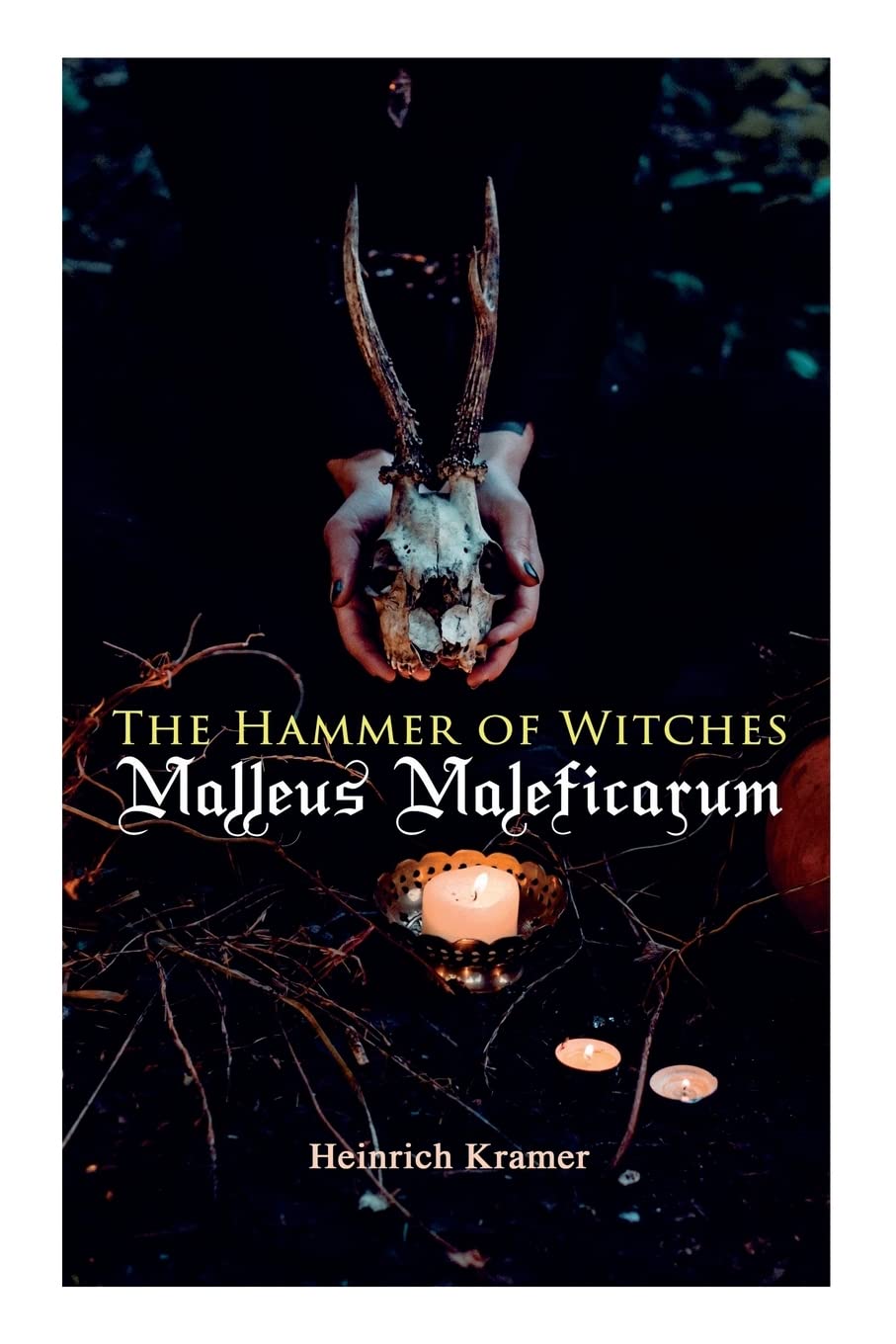
Malleus Maleficarum - The Hammer of Witches; a complete translation with woodcut illustrations from the 15th-18th centuries
MALLEUS MALEFICARUM - THE HAMM
內容簡介
Malleus Maleficarum, or The Hammer of Witches, is the preeminent and most famous manual on witch-hunts. The book was first published in Speyer, in 1486. The Malleus Maleficarum was read and used in both Protestant and Catholic regions throughout the period of witch hunts and witch trials, from the late 15th to the 18th century.
Contrary to popular understanding, the first true witch hunts, involving mass trials of ordinary men and women, began only during the Renaissance and Early Modern Period - not during the Middle Ages - and the Malleus played a key role in the emergence of these new persecutions. The book was for centuries the key point of reference for many of those involved in the pursuit of witches. At its peak, the Malleus was the second-best-selling book in Europe (after the Bible).
The Malleus Maleficarum is the most well-known text representing a new synthesized theory that attempted to consolidate various theories relating to witches under a single framework and the first work to widely disseminate this framework across Europe. The Malleus brings together several theological ideas, provides a large number of "real-life," contemporary examples of witches and witchcraft, and, finally, outlines how the threat of the witches must be dealt with in practice. Although the material presented in the Malleus Maleficarum is not in itself truly novel-many other treatises containing many of its ideas already existed at the time when it was written (such as Johannes Nider's Formicarius)-it is nonetheless the most powerful and explosive synthesis of folkloric fears and Catholic theology to have ever been written. The speed with which the work spread may have been partly due to the then-recently invented printing press.
The book is divided into three main parts:
The first part is an attempt to combine the ideas of the Bible, the opinions of Church Fathers, and other theological authorities-along with scholars from antiquity and pre-existing folk beliefs about witches and evil magic-in order to provide "irrefutable proof" that witches exist.
The second part of the book provides an overview of the phenomena of witches and witchcraft based on personal observations by the author and stories told to him by "reputable sources." Although the Malleus draws heavily on Johannes Nider's Formicarius - for its theological discussion as well as its "ethnographic" source material-it diverges from the latter by introducing and elaborating the concept of the "witches' sabbath." This new concept would later become the cornerstone of most witch trials in continental Europe.
The third and most problematic and consequential part of the book is concerned with how to prosecute witches. In the Malleus, Kramer argues that the threat posed by witches is so pervasive that it must be dealt with principally by the secular authorities; he considered it too large a threat to be left solely to the Inquisition. The Malleus argues against any kind of lenience towards witches; they should preferably be tortured, and the authorities should at all costs avoid setting them free. In light of the new theory, the witch was no longer a mere human but a tainted servant or vessel of the devil. However, Kramer and Sprenger did not create this witch-entity purely out of their imagination or merely from the theological sources on which they drew but built their image of this new threat to a large degree on pre-existing folk beliefs.
The main section of this new edition of the Malleus Maleficarum is a facsimile reprint of Montague Summers' 1928 translation. The book also includes a new 18-page introductory foreword and an updated list of references by anthropologist Nikolas Arhem. The new expansive introductory foreword helps contextualize the Malleus Maleficarum in light of more recent witchcraft and witch-hunt research.
規格
退貨說明
退貨須知:
- 依照消費者保護法的規定,您享有商品貨到次日起七天猶豫期(含例假日)的權益(請注意!猶豫期非試用期),辦理退貨之商品必須是全新狀態(不得有刮傷、破損、受潮)且需完整(包含全部商品、配件、原廠內外包裝、贈品及所有附隨文件或資料的完整性等)。
- 請您以送貨廠商使用之包裝紙箱將退貨商品包裝妥當,若原紙箱已遺失,請另使用其他紙箱包覆於商品原廠包裝之外,切勿直接於原廠包裝上黏貼紙張或書寫文字。若原廠包裝損毀將可能被認定為已逾越檢查商品之必要程度,本公司得依毀損程度扣除回復原狀必要費用(整新費)後退費;請您先確認商品正確、外觀可接受,再行拆封,以免影響您的權利;若為產品瑕疵,本公司接受退貨。
依「通訊交易解除權合理例外情事適用準則」,下列商品不適用七日猶豫期,除產品本身有瑕疵外,不接受退貨:
- 易於腐敗、保存期限較短或解約時即將逾期。(如:生鮮蔬果、乳製品、冷凍冷藏食材、蛋糕)
- 依消費者要求所為之客製化給付。(如:客製印章、鋼筆刻字)
- 報紙、期刊或雜誌。
- 經消費者拆封之影音商品或電腦軟體。
- 非以有形媒介提供之數位內容或一經提供即為完成之線上服務,經消費者事先同意始提供。(如:電子書)
- 已拆封之個人衛生用品。(如:內衣褲、襪類、褲襪、刮鬍刀、除毛刀等貼身用品)
- 國際航空客運服務。
若您退貨時有下列情形,可能被認定已逾越檢查商品之必要程度而須負擔為回復原狀必要費用(整新費),或影響您的退貨權利,請您在拆封前決定是否要退貨:
- 以數位或電磁紀錄形式儲存或著作權相關之商品(包含但不限於CD、VCD、DVD、電腦軟體等) 包裝已拆封者(除運送用之包裝以外)。
- 耗材(包含但不限於墨水匣、碳粉匣、紙張、筆類墨水、清潔劑補充包等)之商品包裝已拆封者(除運送用之包裝以外)。
- 衣飾鞋類/寢具/織品(包含但不限於衣褲、鞋子、襪子、泳裝、床單、被套、填充玩具)或之商品缺件(含購買商品、附件、內外包裝、贈品等)或經剪標或下水或商品有不可回復之髒污或磨損痕跡。
- 食品、美容/保養用品、內衣褲等消耗性或個人衛生用品、商品銷售頁面上特別載明之商品已拆封者(除運送用之包裝外一切包裝、包括但不限於瓶蓋、封口、封膜等接觸商品內容之包裝部分)或已非全新狀態(外觀有刮傷、破損、受潮等)與包裝不完整(缺少商品、附件、原廠外盒、保護袋、配件紙箱、保麗龍、隨貨文件、贈品等)。
- 家電、3C、畫作、電子閱讀器等商品,除商品本身有瑕疵外,退回之商品已拆封(除運送用之包裝外一切包裝、包括但不限於封膜等接觸商品內容之包裝部分、移除封條、拆除吊牌、拆除貼膠或標籤等情形)或已非全新狀態(外觀有刮傷、破損、受潮等)與包裝不完整(缺少商品、附件、原廠外盒、保護袋、配件紙箱、保麗龍、隨貨文件、贈品等)。
- 退貨程序請參閱【客服專區→常見問題→誠品線上退貨退款】之說明。