防詐3要訣:不聽信、不操作、掛斷電話


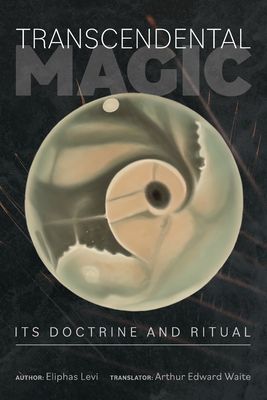
Transcendental Magic: Its Doctrine and Ritual
TRANSCENDENTAL MAGIC
550
此為POD隨需印刷,是出版社高階列印輸出作品後逐本裝訂成冊,印刷及裝訂與傳統印刷品質不同,版權合法不影響閱讀。需等待21個工作天(不含例假日),建議和其他商品分開下單。
查詢門市庫存
內容簡介
Transcendental Magic: Its Doctrine and Ritual by Éliphas Lévi explores magic, the "esoteric science," and its place between science and religion. Born Alphonse Louis Constant in 1810, this French occultist originally planned for a career in the Catholic Church. Constant was educated at Saint Sulpice's seminary, and planned to become a priest. Yet just before he was to receive his ordination at age 26, Constant renounced his ecclesiastical goals and returned to civilian life.The following years tested Constant's conscience and resilience. He was disowned by his family, and worked as a tutor to earn an income. Without the structure from the seminary, he found himself adrift. Constant dedicated much of his early life to promoting the ideals of a utopian socialist society that worked for the economic improvement of all people. He shared these ideas in an early work called The Bible of Liberty. Within an hour of its release, the copies were seized by French authorities, and Constant spent the next six months in prison.After a failed marriage and the death of his young daughter, Constant discovered the world of the occult and mysticism. He became a ceremonial magician, and developed a social circle of many of the occultists and Kabbalists of the time. Writing on the subject under the Hebrew name Éliphas Lévi, he began to share his ideas on magic with the public in the 1850s.Lévi's first published book on ritual magic is the two-part work, Transcendental Magic: Its Doctrines and Rituals. The two parts were first published as single work with a thorough biographical introduction in 1958. This work explores the magician's foundations for his spiritual beliefs, as well as his idea that an elite class of priests would be necessary to lead the people into both social and magical order. He writes, "Occult philosophy seems to have been the nurse and godmother of all intellectual forces, the key of all divine obscurities, and the absolute mistress of society, in those ages when it was exclusively reserved for the education of priests and of kings...Magic is the traditional science of the secrets of Nature which comes to us from the Magi."Part One, The Doctrine of Transcendental Magic, was first published in 1854. This work establishes the concepts behind symbols like the tetragram and pentagram, the significance of Hebrew letters and numbers, and the relationship between science, occultism, and formal religion. Lévi was the first to document the meaning of the points of the pentagram. He stated that a pentagram with only one point up and two down is a symbol of the Savior, and a pentagram with two points up and one down is a "symbol of evil and attracts sinister forces." Part Two, The Rituals of Transcendental Magic, was published in 1856. It discusses the actual materials, processes, and settings for conducting ritual magic. The practitioner must purify himself through a temperate diet, regular sleep, and thorough attention to cleaning and hygiene. A complete description of tools like a magical lamp, rod, sword, and dagger follows, leaving the magician well equipped to perform ceremonies and rituals. Lévi also added the Tarot to the tools of the magician, which was a new development in the occultism of the time.Although Lévi didn't enjoy much notoriety during his life, his works eventually became highly influential among other occultists, and he is now considered one of the fathers of modern mysticism. Famous occultist Aleister Crowley even claimed to be Lévi himself in one of his past lives. Additionally, Arthur Edward Waite and Pamela Colman Smith created the Waite-Smith deck based on Éliphas Lévi's writings, which is the basis for most modern Tarot decks.
規格
誠品貨碼 /
ISBN13 / 9781953450487
ISBN10 /
EAN貨碼 / 9781953450487
裝訂 / P:平裝
頁數 / 380
語言 / 3:英文
級別 / N:無
尺寸 / 22.9X15.2X2.2CM
重量(g) / 553.4
退貨說明
退貨須知:
- 依照消費者保護法的規定,您享有商品貨到次日起七天猶豫期(含例假日)的權益(請注意!猶豫期非試用期),辦理退貨之商品必須是全新狀態(不得有刮傷、破損、受潮)且需完整(包含全部商品、配件、原廠內外包裝、贈品及所有附隨文件或資料的完整性等)。
- 請您以送貨廠商使用之包裝紙箱將退貨商品包裝妥當,若原紙箱已遺失,請另使用其他紙箱包覆於商品原廠包裝之外,切勿直接於原廠包裝上黏貼紙張或書寫文字。若原廠包裝損毀將可能被認定為已逾越檢查商品之必要程度,本公司得依毀損程度扣除回復原狀必要費用(整新費)後退費;請您先確認商品正確、外觀可接受,再行拆封,以免影響您的權利;若為產品瑕疵,本公司接受退貨。
依「通訊交易解除權合理例外情事適用準則」,下列商品不適用七日猶豫期,除產品本身有瑕疵外,不接受退貨:
- 易於腐敗、保存期限較短或解約時即將逾期。(如:生鮮蔬果、乳製品、冷凍冷藏食材、蛋糕)
- 依消費者要求所為之客製化給付。(如:客製印章、鋼筆刻字)
- 報紙、期刊或雜誌。
- 經消費者拆封之影音商品或電腦軟體。
- 非以有形媒介提供之數位內容或一經提供即為完成之線上服務,經消費者事先同意始提供。(如:電子書)
- 已拆封之個人衛生用品。(如:內衣褲、襪類、褲襪、刮鬍刀、除毛刀等貼身用品)
- 國際航空客運服務。
若您退貨時有下列情形,可能被認定已逾越檢查商品之必要程度而須負擔為回復原狀必要費用(整新費),或影響您的退貨權利,請您在拆封前決定是否要退貨:
- 以數位或電磁紀錄形式儲存或著作權相關之商品(包含但不限於CD、VCD、DVD、電腦軟體等) 包裝已拆封者(除運送用之包裝以外)。
- 耗材(包含但不限於墨水匣、碳粉匣、紙張、筆類墨水、清潔劑補充包等)之商品包裝已拆封者(除運送用之包裝以外)。
- 衣飾鞋類/寢具/織品(包含但不限於衣褲、鞋子、襪子、泳裝、床單、被套、填充玩具)或之商品缺件(含購買商品、附件、內外包裝、贈品等)或經剪標或下水或商品有不可回復之髒污或磨損痕跡。
- 食品、美容/保養用品、內衣褲等消耗性或個人衛生用品、商品銷售頁面上特別載明之商品已拆封者(除運送用之包裝外一切包裝、包括但不限於瓶蓋、封口、封膜等接觸商品內容之包裝部分)或已非全新狀態(外觀有刮傷、破損、受潮等)與包裝不完整(缺少商品、附件、原廠外盒、保護袋、配件紙箱、保麗龍、隨貨文件、贈品等)。
- 家電、3C、畫作、電子閱讀器等商品,除商品本身有瑕疵外,退回之商品已拆封(除運送用之包裝外一切包裝、包括但不限於封膜等接觸商品內容之包裝部分、移除封條、拆除吊牌、拆除貼膠或標籤等情形)或已非全新狀態(外觀有刮傷、破損、受潮等)與包裝不完整(缺少商品、附件、原廠外盒、保護袋、配件紙箱、保麗龍、隨貨文件、贈品等)。
- 退貨程序請參閱【客服專區→常見問題→誠品線上退貨退款】之說明。
付款/配送