防詐3要訣:不聽信、不操作、掛斷電話


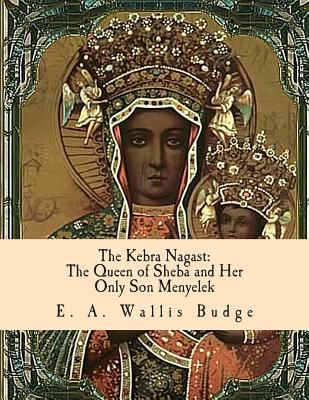
The Kebra Nagast: The Queen of Sheba and Her Only Son Menyelek
KEBRA NAGAST
出版日期:
2011/05/23
405
此為POD隨需印刷,是出版社高階列印輸出作品後逐本裝訂成冊,印刷及裝訂與傳統印刷品質不同,版權合法不影響閱讀。需等待21個工作天(不含例假日),建議和其他商品分開下單。
查詢門市庫存
內容簡介
What did Jamaican reggae singer Bob Marley and Emperor Haile Selassie I of Ethiopia have in common? A love for the Kebra Negast, holy book of Ethiopian Christians and Jamaican Rastafarians. Contemporary scholars date the Kebra Negast to the 14th century, but it retells the stories of much earlier Biblical times, one very important story in particular. According to the Kebra Negast, the Israelites' Ark of the Covenant was spirited away to the ancient kingdom of Ethiopia by wise King Solomon's own son, offspring of the union between Solomon and the exotic Queen Makeda of Ethiopia (a.k.a. the Queen of Sheba). Gerald Hausman, a consummate storyteller of native traditions, presents the core narrative of the Kebra Negast, from Adam to the rise of the Ethiopian Solomonid dynasty. On top of this, he injects his own encounters with Rastafarians during his travels in Jamaica--dreadlocked Rastas as modern-day Samsons, their unwavering faith in Jah, and a rare outsider's glimpse at the Nyabinghi ceremony. The Kebra Nagast, or the Book of the Glory of Kings, is an account written in Ge'ez of the origins of the Solomonic line of the Emperors of Ethiopia. The text, in its existing form, is at least seven hundred years old, and is considered by many Ethiopian Christians and Rastafarians to be an inspired and a reliable account. Not only does it contain an account of how the Queen of Sheba met Solomon, and about how the Ark of the Covenant came to Ethiopia with Menelik I, but contains an account of the conversion of the Ethiopians from the worship of the sun, moon, and stars to that of the "Lord God of Israel". As Edward Ullendorff explained in the 1967 Schweich Lectures, "The Kebra Nagast is not merely a literary work, but it is the repository of Ethiopian national and religious feelings." According to the colophon attached to most of the existing copies, the Kebra Nagast originally was written in Coptic, then translated into Arabic in the Year of Mercy 409 (dated to AD 1225) by a team of Ethiopian clerics during the office of Abuna Abba Giyorgis, and finally into Ge'ez at the command of the governor of Enderta province Ya'ibika Igzi'. Based on the testimony of this colophon, "Conti Rossini, Littmann, and Cerulli, inter alios, have marked off the period 1314 to 1321-1322 for the composition of the book.". Marcus, (1994), indicated that the religious epic story was conflated in the fourteenth century by six Tigrayan scribes. Other sources put it as a work of the fourteenth century Nebura'ed Yeshaq of Aksum. Careful study of the text has revealed traces of Arabic, possibly pointing to an Arabic vorlage, but no clear evidence of a previous Coptic version. Many scholars doubt that a Coptic version ever existed, and that the history of the text goes back no further than the Arabic vorlage. On the other hand, the numerous quotations in the text from the Bible were not translated from this hypothetical Arabic vorlage, but were copied from the Ethiopian translation of the Bible, either directly or from memory, and in their use and interpretation shows the influence of patristic sources such as Gregory of Nyssa. Hubbard details the many sources that the compiler of the Kebra Nagast drew on in creating this work. They include not only both Testaments of the Bible (although heavier use is made of the Old Testament than the New), but he detects evidence of Rabbinical sources, influence from apocryphal works (especially the Book of Enoch and Book of Jubilees, and such Syriac works as the Book of the Cave of Treasures, and its derivatives the Book of Adam and Eve and the Book of the Bee. Marcus thus describes it as "a pastiche of legends ... that] blended local and regional oral traditions and style and substance derived from the Old and New Testaments, various apocryphal texts, Jewish and Islamic commentaries, and Patristic writings"
規格
誠品貨碼 /
ISBN13 / 9781463524135
ISBN10 /
EAN貨碼 / 9781463524135
裝訂 / P:平裝
頁數 / 200
重量(g) / 476.3
語言 / 3:英文
級別 / N:無
尺寸 / 28.0X21.6X1.1CM
退貨說明
退貨須知:
- 依照消費者保護法的規定,您享有商品貨到次日起七天猶豫期(含例假日)的權益(請注意!猶豫期非試用期),辦理退貨之商品必須是全新狀態(不得有刮傷、破損、受潮)且需完整(包含全部商品、配件、原廠內外包裝、贈品及所有附隨文件或資料的完整性等)。
- 請您以送貨廠商使用之包裝紙箱將退貨商品包裝妥當,若原紙箱已遺失,請另使用其他紙箱包覆於商品原廠包裝之外,切勿直接於原廠包裝上黏貼紙張或書寫文字。若原廠包裝損毀將可能被認定為已逾越檢查商品之必要程度,本公司得依毀損程度扣除回復原狀必要費用(整新費)後退費;請您先確認商品正確、外觀可接受,再行拆封,以免影響您的權利;若為產品瑕疵,本公司接受退貨。
依「通訊交易解除權合理例外情事適用準則」,下列商品不適用七日猶豫期,除產品本身有瑕疵外,不接受退貨:
- 易於腐敗、保存期限較短或解約時即將逾期。(如:生鮮蔬果、乳製品、冷凍冷藏食材、蛋糕)
- 依消費者要求所為之客製化給付。(如:客製印章、鋼筆刻字)
- 報紙、期刊或雜誌。
- 經消費者拆封之影音商品或電腦軟體。
- 非以有形媒介提供之數位內容或一經提供即為完成之線上服務,經消費者事先同意始提供。(如:電子書)
- 已拆封之個人衛生用品。(如:內衣褲、襪類、褲襪、刮鬍刀、除毛刀等貼身用品)
- 國際航空客運服務。
若您退貨時有下列情形,可能被認定已逾越檢查商品之必要程度而須負擔為回復原狀必要費用(整新費),或影響您的退貨權利,請您在拆封前決定是否要退貨:
- 以數位或電磁紀錄形式儲存或著作權相關之商品(包含但不限於CD、VCD、DVD、電腦軟體等) 包裝已拆封者(除運送用之包裝以外)。
- 耗材(包含但不限於墨水匣、碳粉匣、紙張、筆類墨水、清潔劑補充包等)之商品包裝已拆封者(除運送用之包裝以外)。
- 衣飾鞋類/寢具/織品(包含但不限於衣褲、鞋子、襪子、泳裝、床單、被套、填充玩具)或之商品缺件(含購買商品、附件、內外包裝、贈品等)或經剪標或下水或商品有不可回復之髒污或磨損痕跡。
- 食品、美容/保養用品、內衣褲等消耗性或個人衛生用品、商品銷售頁面上特別載明之商品已拆封者(除運送用之包裝外一切包裝、包括但不限於瓶蓋、封口、封膜等接觸商品內容之包裝部分)或已非全新狀態(外觀有刮傷、破損、受潮等)與包裝不完整(缺少商品、附件、原廠外盒、保護袋、配件紙箱、保麗龍、隨貨文件、贈品等)。
- 家電、3C、畫作、電子閱讀器等商品,除商品本身有瑕疵外,退回之商品已拆封(除運送用之包裝外一切包裝、包括但不限於封膜等接觸商品內容之包裝部分、移除封條、拆除吊牌、拆除貼膠或標籤等情形)或已非全新狀態(外觀有刮傷、破損、受潮等)與包裝不完整(缺少商品、附件、原廠外盒、保護袋、配件紙箱、保麗龍、隨貨文件、贈品等)。
- 退貨程序請參閱【客服專區→常見問題→誠品線上退貨退款】之說明。
付款/配送