防詐3要訣:不聽信、不操作、掛斷電話


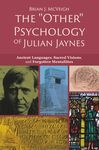
'Other' Psychology of Julian Jaynes: Ancient Languages, Sacred Visions, and Forgotten Mentalities
OTHER PSYCHOLOGY OF JULIAN JAY
內容簡介
In his provocative but critically acclaimed theory about the origin of introspectable mentality, Julian Jaynes argued that until the late second millennium people possessed a different psychology: a "two-chambered" (bicameral) neurocultural arrangement in which a commanding "god" guided, admonished, and ordered about a listening "mortal" via voices, visions, and visitations. Out of the cauldron of civilizational collapse and chaos, an adaptive self-reflexive consciousness emerged better suited to the pressures of larger, more complex sociopolitical systems.Though often described as boldly iconoclastic and far ahead of it time, Jaynes's thinking actually resonates with a "second" or "other" psychological tradition that explores the cultural-historical evolution of psyche. Brian J. McVeigh, a student of Jaynes, points out the blind spots of mainstream, establishment psychology by providing empirical support for Jaynes's ideas on sociohistorical shifts in cognition. He argues that from around 3500 to 1000 BCE the archaeological and historical record reveals features of hallucinatory super-religiosity in every known civilization. As social pressures eroded the god-centered authority of bicamerality, an upgraded psychology of interiorized self-awareness arose during the Late Bronze Age Collapse. A key explanatory component of Jaynes's theorizing was how metaphors constructed a mental landscape populated with "I's" and "me's" that replaced a declining worldview dominated by gods, ancestors, and spirits. McVeigh statistically substantiates how linguo-conceptual changes reflected psychohistorical developments; because supernatural entities functioned in place of our inner selves, vocabularies for psychological terms were strikingly limited in ancient languages. McVeigh also demonstrates the surprising ubiquity of "hearing voices" in modern times, contending that hallucinations are bicameral vestiges and that mental imagery--a controllable, semi-hallucinatory experience--is the successor to the divine hallucinations that once held societies together.This thought-provoking work will appeal to anyone interested in the transformative power of metaphors, the development of mental lexicons, and the adaptive role of hallucinations.
規格
退貨說明
退貨須知:
- 依照消費者保護法的規定,您享有商品貨到次日起七天猶豫期(含例假日)的權益(請注意!猶豫期非試用期),辦理退貨之商品必須是全新狀態(不得有刮傷、破損、受潮)且需完整(包含全部商品、配件、原廠內外包裝、贈品及所有附隨文件或資料的完整性等)。
- 請您以送貨廠商使用之包裝紙箱將退貨商品包裝妥當,若原紙箱已遺失,請另使用其他紙箱包覆於商品原廠包裝之外,切勿直接於原廠包裝上黏貼紙張或書寫文字。若原廠包裝損毀將可能被認定為已逾越檢查商品之必要程度,本公司得依毀損程度扣除回復原狀必要費用(整新費)後退費;請您先確認商品正確、外觀可接受,再行拆封,以免影響您的權利;若為產品瑕疵,本公司接受退貨。
依「通訊交易解除權合理例外情事適用準則」,下列商品不適用七日猶豫期,除產品本身有瑕疵外,不接受退貨:
- 易於腐敗、保存期限較短或解約時即將逾期。(如:生鮮蔬果、乳製品、冷凍冷藏食材、蛋糕)
- 依消費者要求所為之客製化給付。(如:客製印章、鋼筆刻字)
- 報紙、期刊或雜誌。
- 經消費者拆封之影音商品或電腦軟體。
- 非以有形媒介提供之數位內容或一經提供即為完成之線上服務,經消費者事先同意始提供。(如:電子書)
- 已拆封之個人衛生用品。(如:內衣褲、襪類、褲襪、刮鬍刀、除毛刀等貼身用品)
- 國際航空客運服務。
若您退貨時有下列情形,可能被認定已逾越檢查商品之必要程度而須負擔為回復原狀必要費用(整新費),或影響您的退貨權利,請您在拆封前決定是否要退貨:
- 以數位或電磁紀錄形式儲存或著作權相關之商品(包含但不限於CD、VCD、DVD、電腦軟體等) 包裝已拆封者(除運送用之包裝以外)。
- 耗材(包含但不限於墨水匣、碳粉匣、紙張、筆類墨水、清潔劑補充包等)之商品包裝已拆封者(除運送用之包裝以外)。
- 衣飾鞋類/寢具/織品(包含但不限於衣褲、鞋子、襪子、泳裝、床單、被套、填充玩具)或之商品缺件(含購買商品、附件、內外包裝、贈品等)或經剪標或下水或商品有不可回復之髒污或磨損痕跡。
- 食品、美容/保養用品、內衣褲等消耗性或個人衛生用品、商品銷售頁面上特別載明之商品已拆封者(除運送用之包裝外一切包裝、包括但不限於瓶蓋、封口、封膜等接觸商品內容之包裝部分)或已非全新狀態(外觀有刮傷、破損、受潮等)與包裝不完整(缺少商品、附件、原廠外盒、保護袋、配件紙箱、保麗龍、隨貨文件、贈品等)。
- 家電、3C、畫作、電子閱讀器等商品,除商品本身有瑕疵外,退回之商品已拆封(除運送用之包裝外一切包裝、包括但不限於封膜等接觸商品內容之包裝部分、移除封條、拆除吊牌、拆除貼膠或標籤等情形)或已非全新狀態(外觀有刮傷、破損、受潮等)與包裝不完整(缺少商品、附件、原廠外盒、保護袋、配件紙箱、保麗龍、隨貨文件、贈品等)。
- 退貨程序請參閱【客服專區→常見問題→誠品線上退貨退款】之說明。