防詐3要訣:不聽信、不操作、掛斷電話



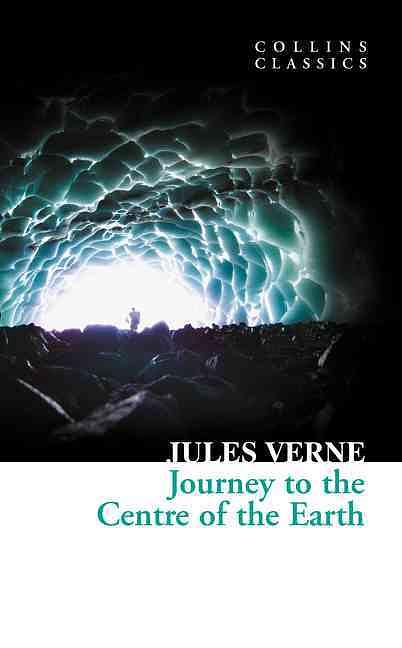
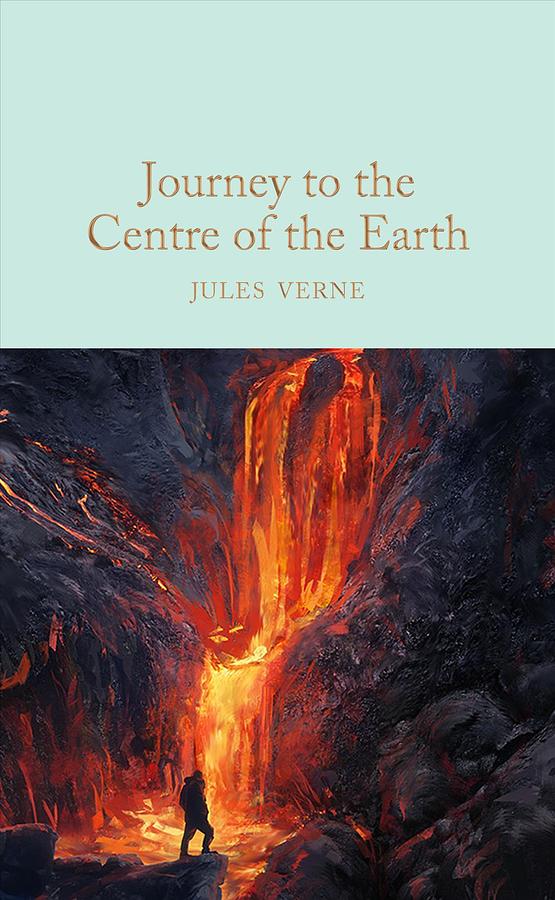
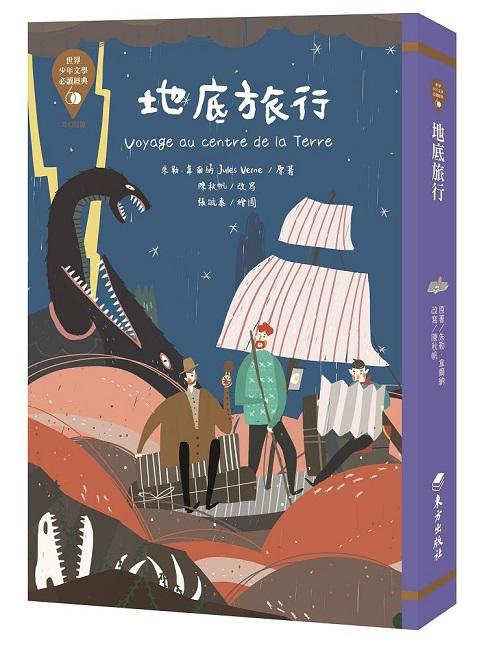
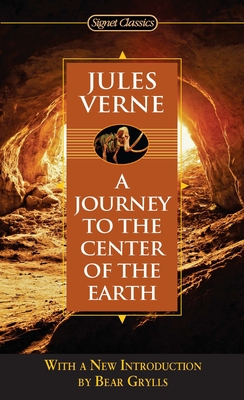
Journey to the Center of the Earth
JOURNEY TO THE CENTER OF THE E
內容簡介
The intrepid Professor Lindenbrock embarks upon the strangest expedition of the nineteenth century: a journey down an extinct Icelandic volcano to the Earth's very core. In his quest to penetrate the planet's primordial secrets, the geologist--together with his quaking nephew Axel and their devoted guide, Hans--discovers an astonishing subterranean menagerie of prehistoric proportions.
Verne's imaginative tale is at once the ultimate science fiction adventure and a reflection on the perfectibility of human understanding and the psychology of the questor. As David Brin notes in his Introduction, though Verne never knew the term "science fiction," Journey to the Center of the Earth is "inarguably one of the wellsprings from which it all began."作者介紹
Jules Verne was born into a family with seafaring tradition in Nantes, France, in 1828. At an early age he tried to run off and ship out as a cabin boy but was stopped and returned to his family. Verne was sent to Paris to study law, but once there, he quickly fell in love with the theater. He was soon writing plays and opera librettos, and his first play was produced in 1850. When he refused his father's entreaties to return to Nantes and practice law, his allowance was cut off, and he was forced to make his living by selling stories and articles.
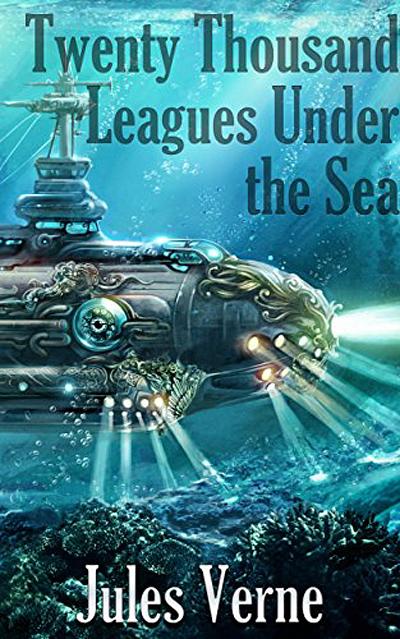
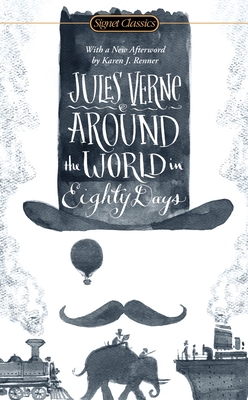
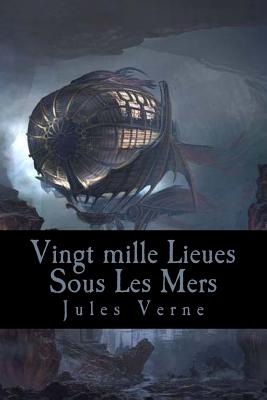
Verne combined his gift for exotic narratives with an interest the latest scientific discoveries. He spent long hours in the Paris libraries studying geology, astronomy, and engineering. Soon he was turning out imaginative stories such as Five Weeks in a Balloon (1863) and Journey to the Center of the Earth (1864), which were immensely popular all over the world. After From the Earth to the Moon (1865), Verne received letter from travelers wishing to sign up for the next lunar expedition. His ability to envision the next stage in man's technology progress and his childlike wonder at the possibilities produced 20,000 Leagues Under the Sea (1870) and Michael Strogoff (1876). His biggest success came with Around the World in Eighty Days (1872). Verne's books made him famous and rich. In 1876 he bought a large steam yacht, outfitted with a cabin in which he could write more comfortably than on shore. He sailed from one European port to another and was lionized everywhere he went. His books were widely translated, dramatized, and later filmed. He died at Aminens in 1905.規格
退貨說明
退貨須知:
- 依照消費者保護法的規定,您享有商品貨到次日起七天猶豫期(含例假日)的權益(請注意!猶豫期非試用期),辦理退貨之商品必須是全新狀態(不得有刮傷、破損、受潮)且需完整(包含全部商品、配件、原廠內外包裝、贈品及所有附隨文件或資料的完整性等)。
- 請您以送貨廠商使用之包裝紙箱將退貨商品包裝妥當,若原紙箱已遺失,請另使用其他紙箱包覆於商品原廠包裝之外,切勿直接於原廠包裝上黏貼紙張或書寫文字。若原廠包裝損毀將可能被認定為已逾越檢查商品之必要程度,本公司得依毀損程度扣除回復原狀必要費用(整新費)後退費;請您先確認商品正確、外觀可接受,再行拆封,以免影響您的權利;若為產品瑕疵,本公司接受退貨。
依「通訊交易解除權合理例外情事適用準則」,下列商品不適用七日猶豫期,除產品本身有瑕疵外,不接受退貨:
- 易於腐敗、保存期限較短或解約時即將逾期。(如:生鮮蔬果、乳製品、冷凍冷藏食材、蛋糕)
- 依消費者要求所為之客製化給付。(如:客製印章、鋼筆刻字)
- 報紙、期刊或雜誌。
- 經消費者拆封之影音商品或電腦軟體。
- 非以有形媒介提供之數位內容或一經提供即為完成之線上服務,經消費者事先同意始提供。(如:電子書)
- 已拆封之個人衛生用品。(如:內衣褲、襪類、褲襪、刮鬍刀、除毛刀等貼身用品)
- 國際航空客運服務。
若您退貨時有下列情形,可能被認定已逾越檢查商品之必要程度而須負擔為回復原狀必要費用(整新費),或影響您的退貨權利,請您在拆封前決定是否要退貨:
- 以數位或電磁紀錄形式儲存或著作權相關之商品(包含但不限於CD、VCD、DVD、電腦軟體等) 包裝已拆封者(除運送用之包裝以外)。
- 耗材(包含但不限於墨水匣、碳粉匣、紙張、筆類墨水、清潔劑補充包等)之商品包裝已拆封者(除運送用之包裝以外)。
- 衣飾鞋類/寢具/織品(包含但不限於衣褲、鞋子、襪子、泳裝、床單、被套、填充玩具)或之商品缺件(含購買商品、附件、內外包裝、贈品等)或經剪標或下水或商品有不可回復之髒污或磨損痕跡。
- 食品、美容/保養用品、內衣褲等消耗性或個人衛生用品、商品銷售頁面上特別載明之商品已拆封者(除運送用之包裝外一切包裝、包括但不限於瓶蓋、封口、封膜等接觸商品內容之包裝部分)或已非全新狀態(外觀有刮傷、破損、受潮等)與包裝不完整(缺少商品、附件、原廠外盒、保護袋、配件紙箱、保麗龍、隨貨文件、贈品等)。
- 家電、3C、畫作、電子閱讀器等商品,除商品本身有瑕疵外,退回之商品已拆封(除運送用之包裝外一切包裝、包括但不限於封膜等接觸商品內容之包裝部分、移除封條、拆除吊牌、拆除貼膠或標籤等情形)或已非全新狀態(外觀有刮傷、破損、受潮等)與包裝不完整(缺少商品、附件、原廠外盒、保護袋、配件紙箱、保麗龍、隨貨文件、贈品等)。
- 退貨程序請參閱【客服專區→常見問題→誠品線上退貨退款】之說明。