防詐3要訣:不聽信、不操作、掛斷電話


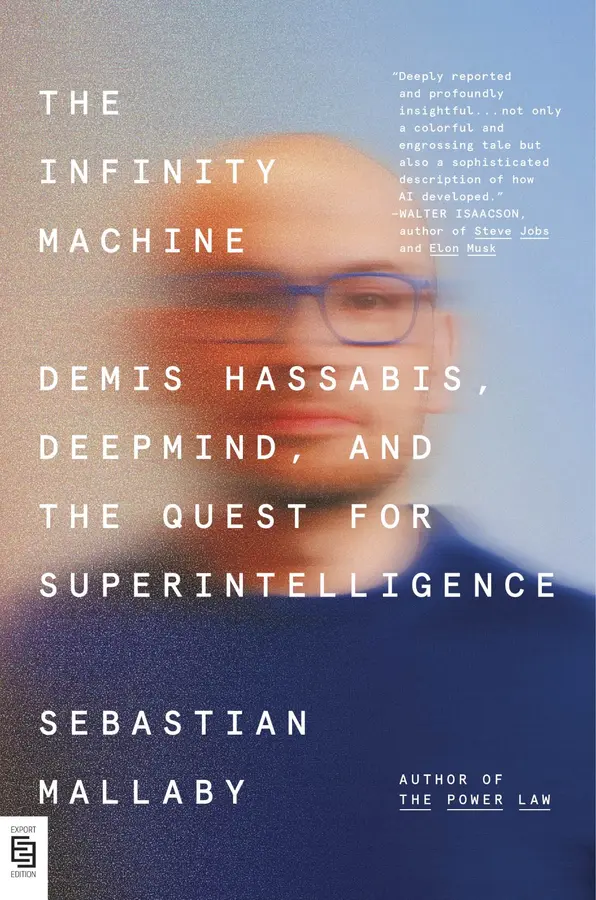

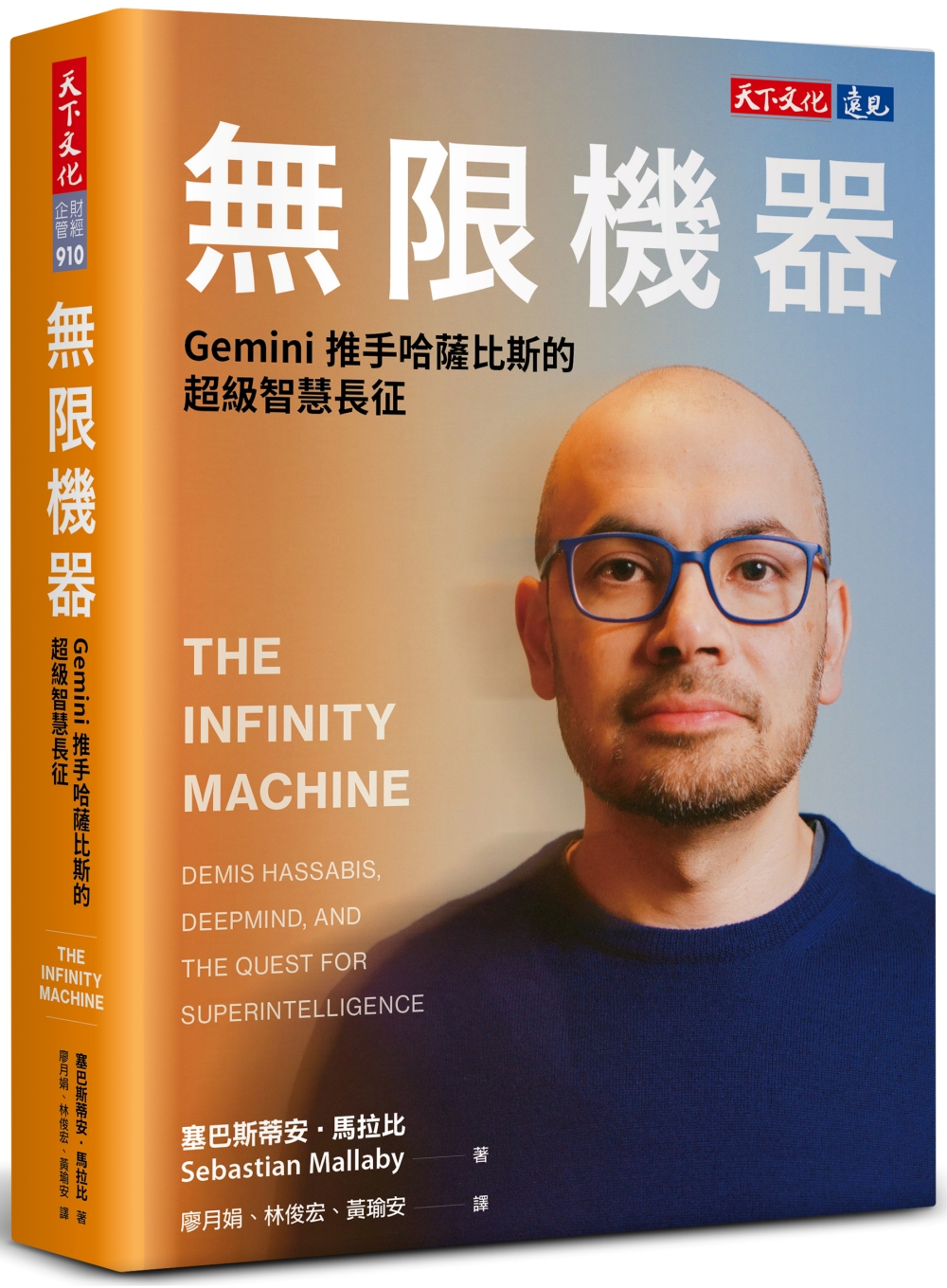
The Infinity Machine: Demis Hassabis, DeepMind, and the Quest for Superintelligence
無限機器: Gemini推手哈薩比斯的超級智慧長征
內容簡介
《無限機器: Gemini推手哈薩比斯的超級智慧長征》英文版原裝進口!
即便在一個天才雲集的科技產業中,戴米斯·哈薩比斯(Demis Hassabis)也是個極為特殊的案例。他出生於北倫敦一個貧困的移民家庭,5 歲時便是西洋棋神童,十幾歲已是程式高手;為了滿足他在劍橋大學對科學永無止境的好奇心,他在 18 歲前就拒絕了高達七位數的優渥邀約。隨後,他在計算機科學的基礎上又取得了神經科學博士學位,只為追求「人工通用智慧」(AGI)的夢想——其終極目標是解開生物學與理論物理學之謎,並開啟一個物質極度豐富的時代。如今,他與一小群志同道合的夥伴仍在這條道路上前行,領導著 Google 的 AI 研究,並在途中榮獲諾貝爾獎,構思著那些將增強、甚至可能取代人類對宇宙認知的機器。
哈薩比斯給予了賽巴斯欽·馬拉比(Sebastian Mallaby)極大的時間支持,坐下來進行了超過 30 個小時的對談。但馬拉比的取材對象不限於此,還包括了哈薩比斯的批評者,如與他關係疏遠的共同創辦人穆斯塔法·蘇萊曼(Mustafa Suleyman);他的競爭對手,如 OpenAI 的首席科學家伊利亞·蘇茨克維(Ilya Sutskever);以及對人類生存感到擔憂的學術先驅,如諾貝爾獎得主傑弗瑞·辛頓(Geoffrey Hinton)。其成果是對這位非凡人物及其公司極具啟發性的記錄,也對這個從邊緣躍升至大眾意識核心、變化莫測的領域進行了深刻的省思。
沒有人質疑哈薩比斯的天賦。然而,有些人(如伊隆·馬斯克)有時會將他視為「邪惡天才」。他身處一場金錢與權力的博弈中,其賭注之高,唯有在人才與算力上的驚人成本可與之相比。成名的科學家追求這項技術是因為無法抗拒發現真理的甜蜜,其他人則為了金錢或權力而追逐。發明家們相信自己能控制技術,但往往是技術在掌控著他們。
儘管哈薩比斯在 Google 的核心引擎室中扮演關鍵角色,但這並非一個矽谷故事。哈薩比斯與矽谷打交道並拿走他們的資金,但他始終保持身處其外,並對其抱持激烈的批判態度,在與馬拉比的對談中,他曾痛斥矽谷的領導者們。這場競賽的終點尚不可知,但正如這本傑作所示,哈薩比斯試圖將一種新型認知形式帶入世界的探索,正是我們這個時代最具定義性的故事。
From one of our leading chroniclers of the intersection of innovation and capitalism, a landmark reckoning—based on unprecedented access—with one of the world’s most brilliant and driven tech visionaries, and his game-changing company
Even by the standard of a tech industry stacked with so-called geniuses, Demis Hassabis is a special case. Born poor in North London to immigrant parents, a chess prodigy by age five and wizard coder in his teens, he turned down a seven figure offer before turning 18 to feed his insatiable scientific curiosity at Cambridge. Later, he added a neuroscience PhD to his computer science skills to pursue the dream of artificial general intelligence, the ultimate goal being to unravel the mysteries of biology and theoretical physics and to usher in super-abundance. Alongside a small group of fellow travelers, that is the path he is still on, leading the AI research at Google, winning a Nobel Prize along the way, and imagining machines that will compound, or possibly supplant, the human understanding of the universe.
Hassabis has given Sebastian Mallaby a great deal of his time, sitting for over thirty hours of conversation. But Mallaby has also drawn from Hassabis's detractors, such as his estranged cofounder Mustafa Suleyman; from his rivals, such as OpenAI's leading scientist Ilya Sutskever; and from academic pioneers who now fear for human survival, such as Nobel laureate Geoffrey Hinton. The result is a revelatory account of a singular figure and his company and a profound reckoning with this protean field as it leaps from the periphery to the center of our consciousness.
No one questions Hassabis’s brilliance. There are those who, like Elon Musk, have at times regarded him as an "evil genius." He is in a game where the stakes are matched only by the exorbitant costs — for talent, and for compute. Celebrated scientists pursue the technology because they cannot resist the sweetness of discovery. Others pursue it for money or power. The inventors believe they control their technology, but often, the technology controls them.
Despite Hassabis’s pivotal role inside Google’s engine room, this is not a Silicon Valley story. Hassabis deals with the Valley and takes its money, but remains outside and furiously critical of it, lambasting its leaders in conversation with Mallaby. The end of this race cannot be known, but as this great book shows us, Hassabis's quest to will a new form of cognition into the world is a defining story for our era.
作者介紹
Sebastian Mallaby is the author of several books including the bestselling More Money Than God. A former Financial Times contributing editor and two-time Pulitzer Prize finalist, Mallaby is the Paul A. Volcker Senior Fellow for International Economics at the Council on Foreign Relations.
規格
退貨說明
退貨須知:
- 依照消費者保護法的規定,您享有商品貨到次日起七天猶豫期(含例假日)的權益(請注意!猶豫期非試用期),辦理退貨之商品必須是全新狀態(不得有刮傷、破損、受潮)且需完整(包含全部商品、配件、原廠內外包裝、贈品及所有附隨文件或資料的完整性等)。
- 請您以送貨廠商使用之包裝紙箱將退貨商品包裝妥當,若原紙箱已遺失,請另使用其他紙箱包覆於商品原廠包裝之外,切勿直接於原廠包裝上黏貼紙張或書寫文字。若原廠包裝損毀將可能被認定為已逾越檢查商品之必要程度,本公司得依毀損程度扣除回復原狀必要費用(整新費)後退費;請您先確認商品正確、外觀可接受,再行拆封,以免影響您的權利;若為產品瑕疵,本公司接受退貨。
依「通訊交易解除權合理例外情事適用準則」,下列商品不適用七日猶豫期,除產品本身有瑕疵外,不接受退貨:
- 易於腐敗、保存期限較短或解約時即將逾期。(如:生鮮蔬果、乳製品、冷凍冷藏食材、蛋糕)
- 依消費者要求所為之客製化給付。(如:客製印章、鋼筆刻字)
- 報紙、期刊或雜誌。
- 經消費者拆封之影音商品或電腦軟體。
- 非以有形媒介提供之數位內容或一經提供即為完成之線上服務,經消費者事先同意始提供。(如:電子書)
- 已拆封之個人衛生用品。(如:內衣褲、襪類、褲襪、刮鬍刀、除毛刀等貼身用品)
- 國際航空客運服務。
若您退貨時有下列情形,可能被認定已逾越檢查商品之必要程度而須負擔為回復原狀必要費用(整新費),或影響您的退貨權利,請您在拆封前決定是否要退貨:
- 以數位或電磁紀錄形式儲存或著作權相關之商品(包含但不限於CD、VCD、DVD、電腦軟體等) 包裝已拆封者(除運送用之包裝以外)。
- 耗材(包含但不限於墨水匣、碳粉匣、紙張、筆類墨水、清潔劑補充包等)之商品包裝已拆封者(除運送用之包裝以外)。
- 衣飾鞋類/寢具/織品(包含但不限於衣褲、鞋子、襪子、泳裝、床單、被套、填充玩具)或之商品缺件(含購買商品、附件、內外包裝、贈品等)或經剪標或下水或商品有不可回復之髒污或磨損痕跡。
- 食品、美容/保養用品、內衣褲等消耗性或個人衛生用品、商品銷售頁面上特別載明之商品已拆封者(除運送用之包裝外一切包裝、包括但不限於瓶蓋、封口、封膜等接觸商品內容之包裝部分)或已非全新狀態(外觀有刮傷、破損、受潮等)與包裝不完整(缺少商品、附件、原廠外盒、保護袋、配件紙箱、保麗龍、隨貨文件、贈品等)。
- 家電、3C、畫作、電子閱讀器等商品,除商品本身有瑕疵外,退回之商品已拆封(除運送用之包裝外一切包裝、包括但不限於封膜等接觸商品內容之包裝部分、移除封條、拆除吊牌、拆除貼膠或標籤等情形)或已非全新狀態(外觀有刮傷、破損、受潮等)與包裝不完整(缺少商品、附件、原廠外盒、保護袋、配件紙箱、保麗龍、隨貨文件、贈品等)。
- 退貨程序請參閱【客服專區→常見問題→誠品線上退貨退款】之說明。