防詐3要訣:不聽信、不操作、掛斷電話



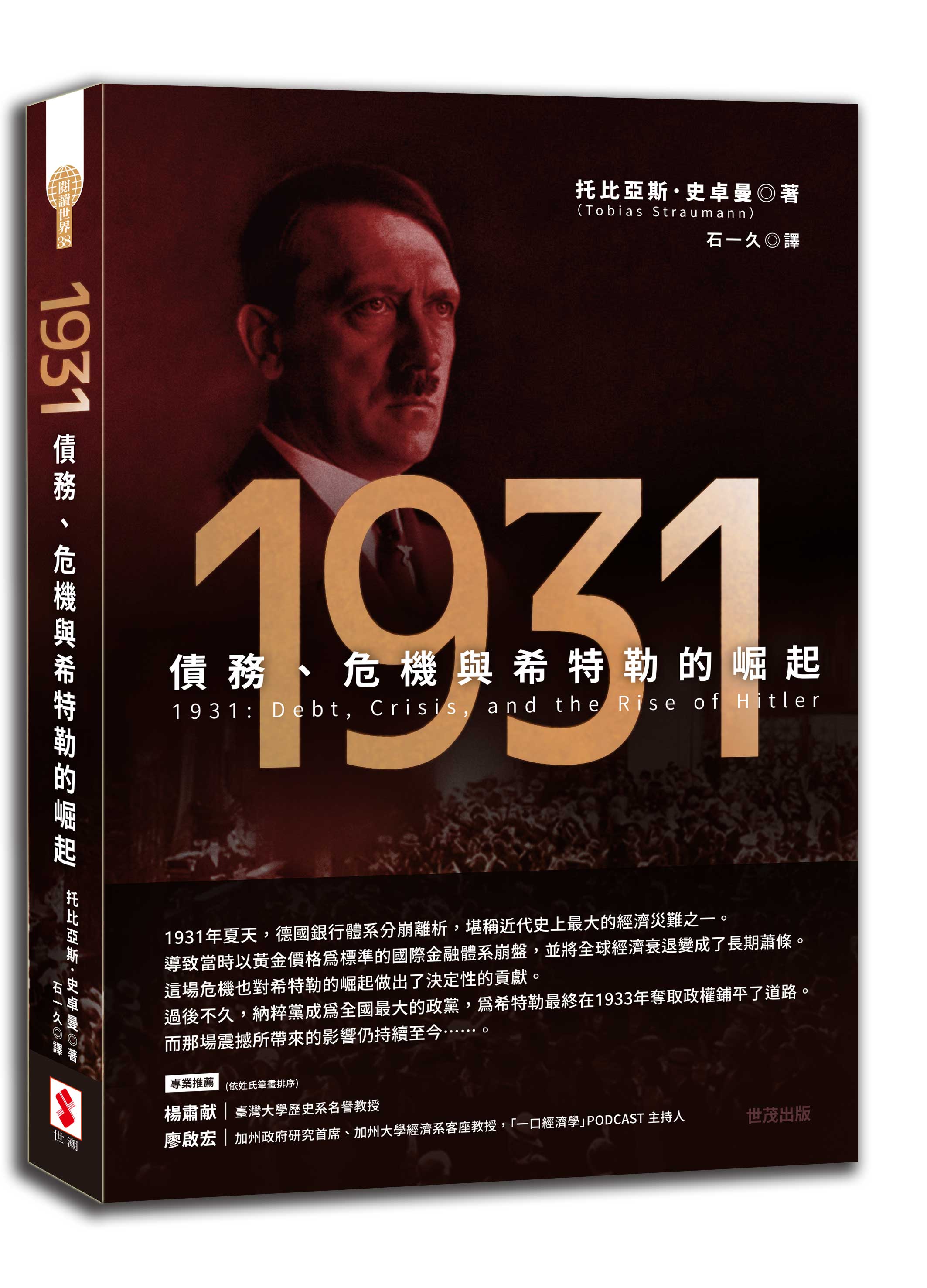
1931: Debt, Crisis, and the Rise of Hitler
出版日期:
2020/10/07
9
715643
查詢門市庫存
內容簡介
Germany's financial collapse in the summer of 1931 was one of the biggest economic catastrophes of modern history. It led to a global panic, brought down the international monetary system, and turned a worldwide recession into a prolonged depression. The crisis also contributed decisively to the rise of Hitler. Within little more than a year of its onset, the Nazis were Germany's largest political party at both the regional and national level, paving the way for Hitler's eventual seizure of power in January 1933.
The origins of the collapse lay in Germany's large pile of foreign debt denominated in gold-backed currencies, which condemned the German government to cut spending, raise taxes, and lower wages in the middle of a worldwide recession. As political resistance to this policy of austerity grew, the German government began to question its debt obligations, prompting foreign investors to panic and sell their German assets. The resulting currency crisis led to the failure of the already weakened banking system and a partial sovereign default.
Hitler managed to profit from the crisis because he had been the most vocal critic of the reparation regime responsible for the lion's share of German debts. As the financial system collapsed, his relentless attacks against foreign creditors and the alleged complicity of the German government resonated more than ever with the electorate. The ruling parties that were responsible for the situation lost their credibility and became defenceless in the face of his onslaught against an establishment allegedly selling the country out to her foreign creditors. Meanwhile, these creditors hesitated too long to take the wind out of Hitler's sails by offering debt relief. In this way, a financial crisis soon developed into a political catastrophe for both Europe and the world.
The origins of the collapse lay in Germany's large pile of foreign debt denominated in gold-backed currencies, which condemned the German government to cut spending, raise taxes, and lower wages in the middle of a worldwide recession. As political resistance to this policy of austerity grew, the German government began to question its debt obligations, prompting foreign investors to panic and sell their German assets. The resulting currency crisis led to the failure of the already weakened banking system and a partial sovereign default.
Hitler managed to profit from the crisis because he had been the most vocal critic of the reparation regime responsible for the lion's share of German debts. As the financial system collapsed, his relentless attacks against foreign creditors and the alleged complicity of the German government resonated more than ever with the electorate. The ruling parties that were responsible for the situation lost their credibility and became defenceless in the face of his onslaught against an establishment allegedly selling the country out to her foreign creditors. Meanwhile, these creditors hesitated too long to take the wind out of Hitler's sails by offering debt relief. In this way, a financial crisis soon developed into a political catastrophe for both Europe and the world.
產品目錄
Preface
Introduction
Confidence
1: Laughing at the Raven
2: A Triumph of Diplomacy
3: 'Strong Cards to Play'
Indecision
4: Hitler's Victory
5: To the Brink and Back
6: 'The First Real Chancellor Since Bismarck'
Despair
7: Squaring the Circle
8: Help from Washington
9: Endgame
10: The Rise of Hitler
Epilogue
Sources
References
Notes
Index
Introduction
Confidence
1: Laughing at the Raven
2: A Triumph of Diplomacy
3: 'Strong Cards to Play'
Indecision
4: Hitler's Victory
5: To the Brink and Back
6: 'The First Real Chancellor Since Bismarck'
Despair
7: Squaring the Circle
8: Help from Washington
9: Endgame
10: The Rise of Hitler
Epilogue
Sources
References
Notes
Index
規格
誠品貨碼 / 2681927094006
ISBN13 / 9780198816195
ISBN10 / 0198816197
EAN貨碼 / 9780198816195
頁數 / 272
裝訂 / P:平裝
語言 / 3:英文
尺寸 / 21.5X14.7X2.1CM
級別 / N:無
退貨說明
退貨須知:
- 依照消費者保護法的規定,您享有商品貨到次日起七天猶豫期(含例假日)的權益(請注意!猶豫期非試用期),辦理退貨之商品必須是全新狀態(不得有刮傷、破損、受潮)且需完整(包含全部商品、配件、原廠內外包裝、贈品及所有附隨文件或資料的完整性等)。
- 請您以送貨廠商使用之包裝紙箱將退貨商品包裝妥當,若原紙箱已遺失,請另使用其他紙箱包覆於商品原廠包裝之外,切勿直接於原廠包裝上黏貼紙張或書寫文字。若原廠包裝損毀將可能被認定為已逾越檢查商品之必要程度,本公司得依毀損程度扣除回復原狀必要費用(整新費)後退費;請您先確認商品正確、外觀可接受,再行拆封,以免影響您的權利;若為產品瑕疵,本公司接受退貨。
依「通訊交易解除權合理例外情事適用準則」,下列商品不適用七日猶豫期,除產品本身有瑕疵外,不接受退貨:
- 易於腐敗、保存期限較短或解約時即將逾期。(如:生鮮蔬果、乳製品、冷凍冷藏食材、蛋糕)
- 依消費者要求所為之客製化給付。(如:客製印章、鋼筆刻字)
- 報紙、期刊或雜誌。
- 經消費者拆封之影音商品或電腦軟體。
- 非以有形媒介提供之數位內容或一經提供即為完成之線上服務,經消費者事先同意始提供。(如:電子書)
- 已拆封之個人衛生用品。(如:內衣褲、襪類、褲襪、刮鬍刀、除毛刀等貼身用品)
- 國際航空客運服務。
若您退貨時有下列情形,可能被認定已逾越檢查商品之必要程度而須負擔為回復原狀必要費用(整新費),或影響您的退貨權利,請您在拆封前決定是否要退貨:
- 以數位或電磁紀錄形式儲存或著作權相關之商品(包含但不限於CD、VCD、DVD、電腦軟體等) 包裝已拆封者(除運送用之包裝以外)。
- 耗材(包含但不限於墨水匣、碳粉匣、紙張、筆類墨水、清潔劑補充包等)之商品包裝已拆封者(除運送用之包裝以外)。
- 衣飾鞋類/寢具/織品(包含但不限於衣褲、鞋子、襪子、泳裝、床單、被套、填充玩具)或之商品缺件(含購買商品、附件、內外包裝、贈品等)或經剪標或下水或商品有不可回復之髒污或磨損痕跡。
- 食品、美容/保養用品、內衣褲等消耗性或個人衛生用品、商品銷售頁面上特別載明之商品已拆封者(除運送用之包裝外一切包裝、包括但不限於瓶蓋、封口、封膜等接觸商品內容之包裝部分)或已非全新狀態(外觀有刮傷、破損、受潮等)與包裝不完整(缺少商品、附件、原廠外盒、保護袋、配件紙箱、保麗龍、隨貨文件、贈品等)。
- 家電、3C、畫作、電子閱讀器等商品,除商品本身有瑕疵外,退回之商品已拆封(除運送用之包裝外一切包裝、包括但不限於封膜等接觸商品內容之包裝部分、移除封條、拆除吊牌、拆除貼膠或標籤等情形)或已非全新狀態(外觀有刮傷、破損、受潮等)與包裝不完整(缺少商品、附件、原廠外盒、保護袋、配件紙箱、保麗龍、隨貨文件、贈品等)。
- 退貨程序請參閱【客服專區→常見問題→誠品線上退貨退款】之說明。
付款/配送