防詐3要訣:不聽信、不操作、掛斷電話



9
2,6702,403
分期3期0利率✕每期801元
3 期 0 利率✕每期 801 元
臺灣銀行、合作金庫、第一銀行、華南銀行、彰化銀行、台北富邦、國泰世華、兆豐商銀、臺灣中小企銀、滙豐銀行、新光銀行、聯邦銀行、遠東銀行、永豐銀行、玉山銀行、凱基銀行、星展銀行、台新銀行、安泰銀行、中國信託、台灣樂天
6 期 0 利率✕每期 400 元
臺灣銀行、合作金庫、第一銀行、華南銀行、彰化銀行、台北富邦、國泰世華、兆豐商銀、臺灣中小企銀、滙豐銀行、新光銀行、聯邦銀行、遠東銀行、永豐銀行、玉山銀行、凱基銀行、星展銀行、台新銀行、安泰銀行、中國信託、台灣樂天
※ 除不盡餘數將於第一期收取
此為POD隨需印刷,是出版社高階列印輸出作品後逐本裝訂成冊,印刷及裝訂與傳統印刷品質不同,版權合法不影響閱讀。需等待21個工作天(不含例假日),建議和其他商品分開下單。
查詢門市庫存
內容簡介
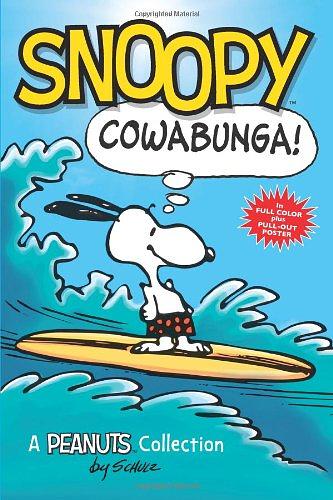
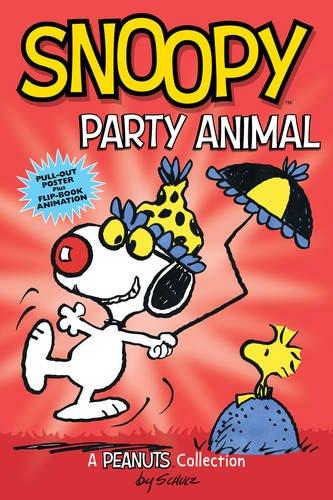
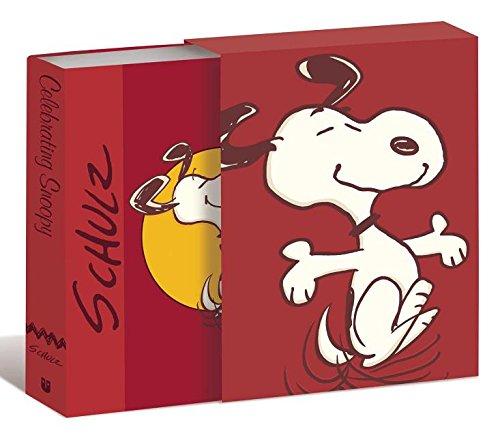
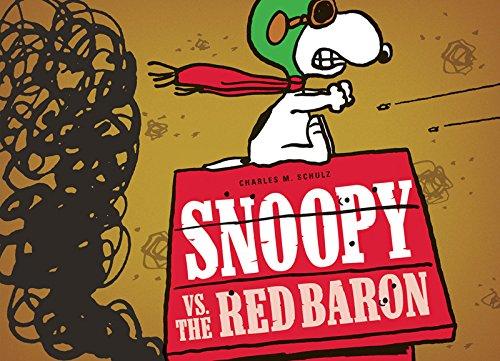
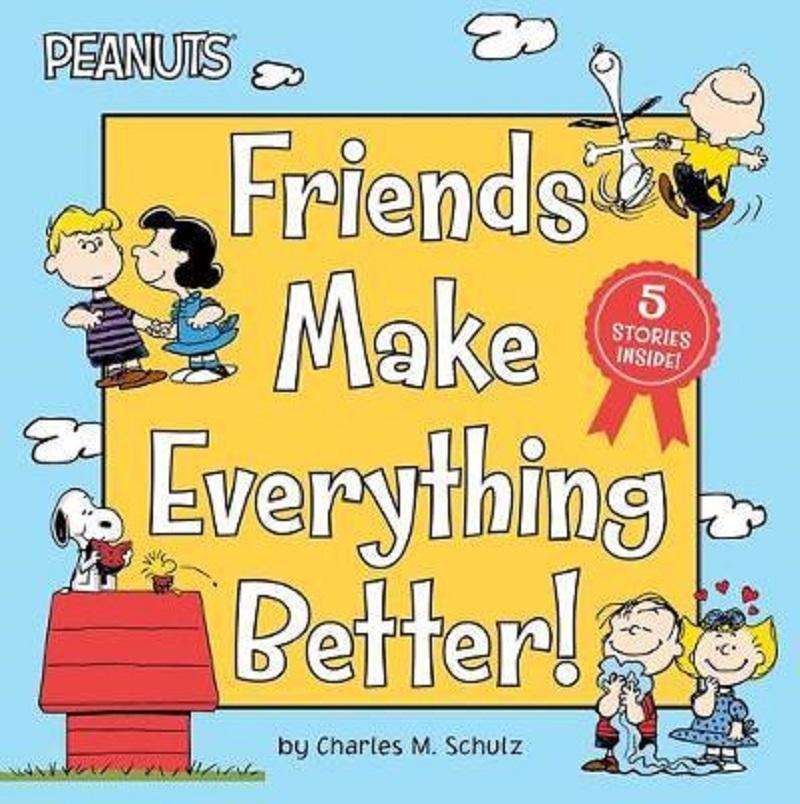
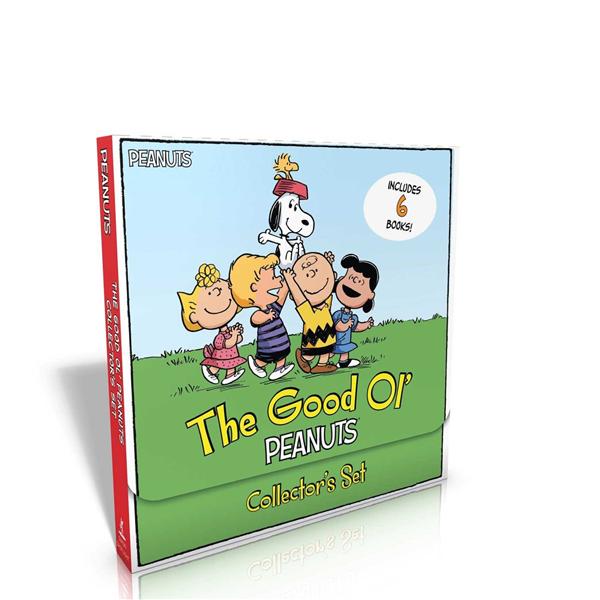
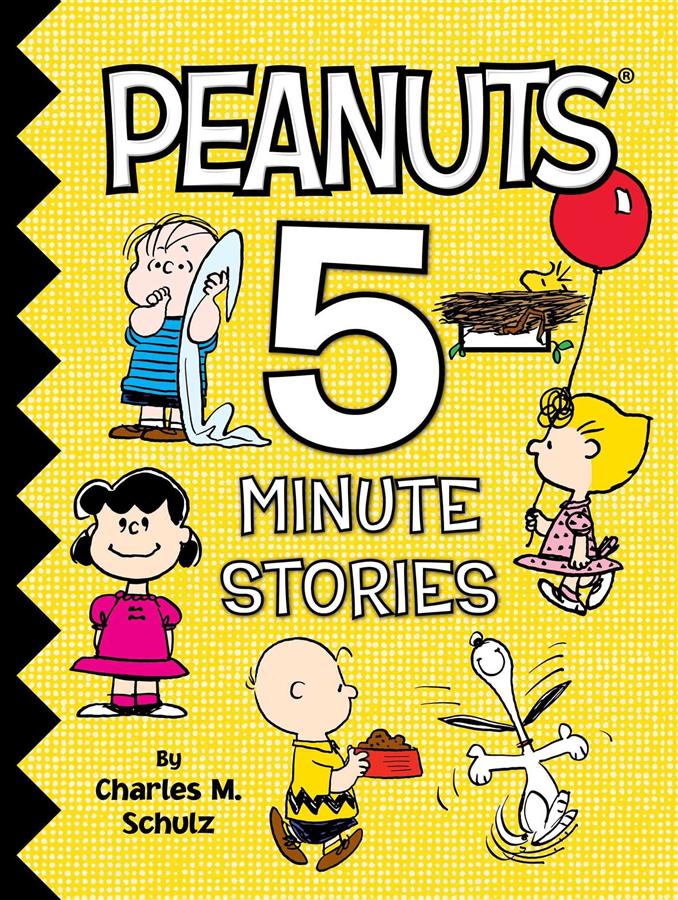
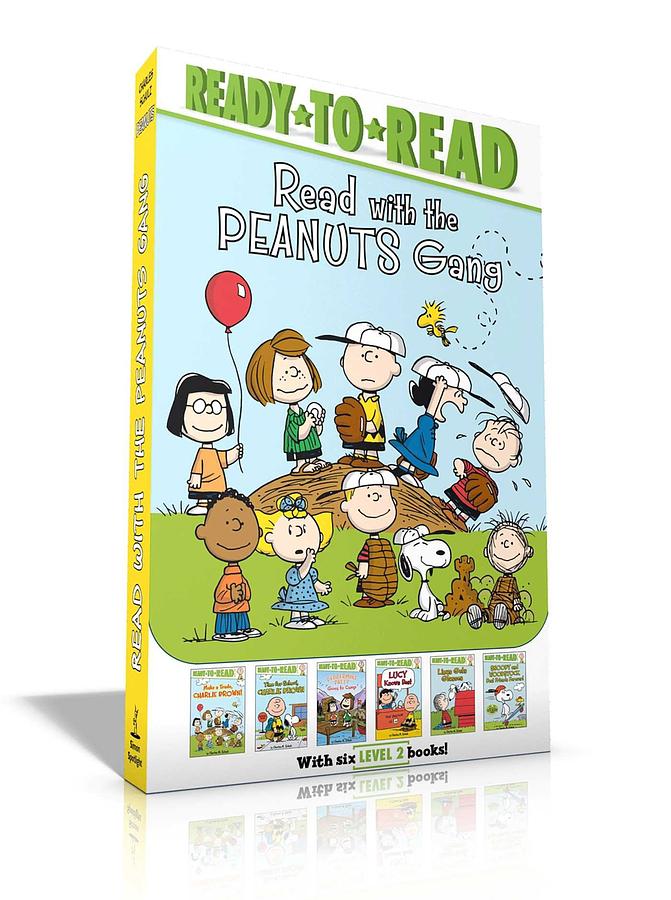
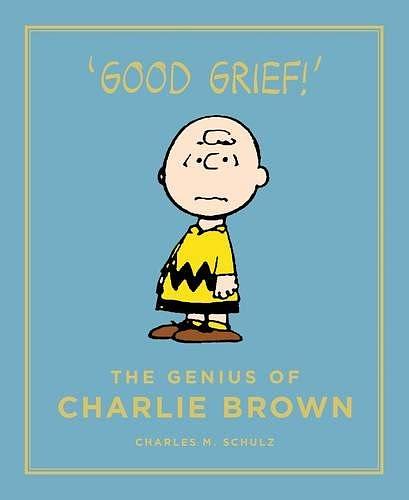
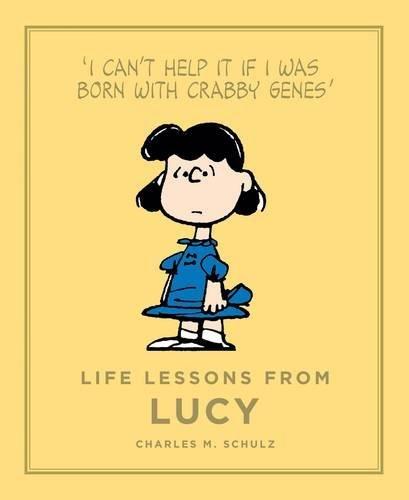
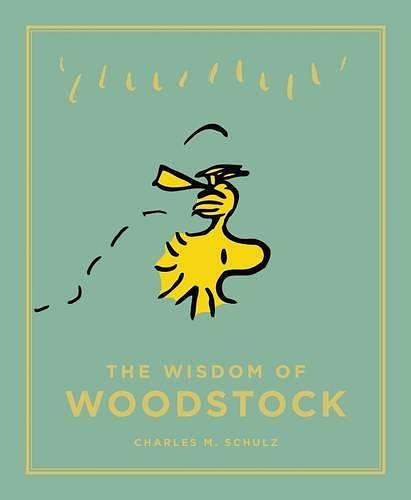
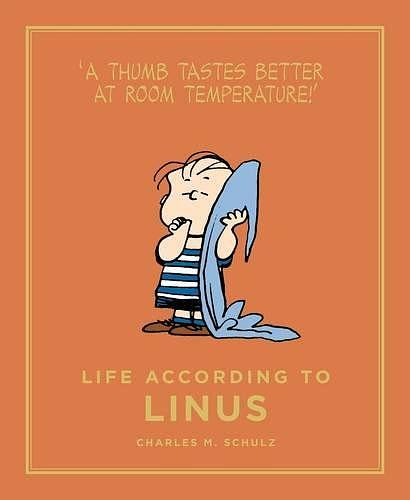
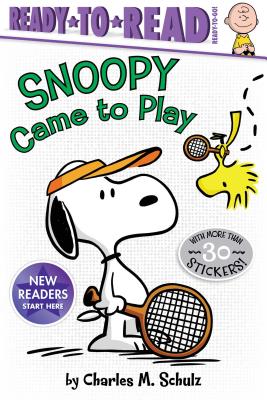
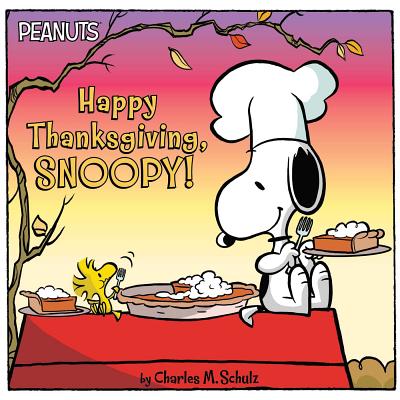
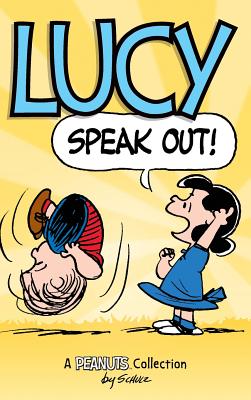
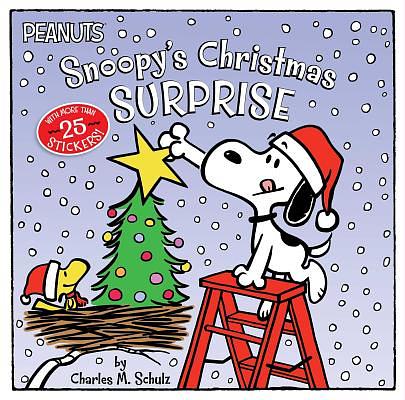
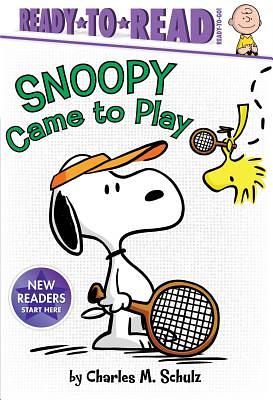
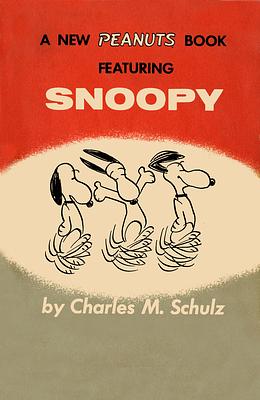
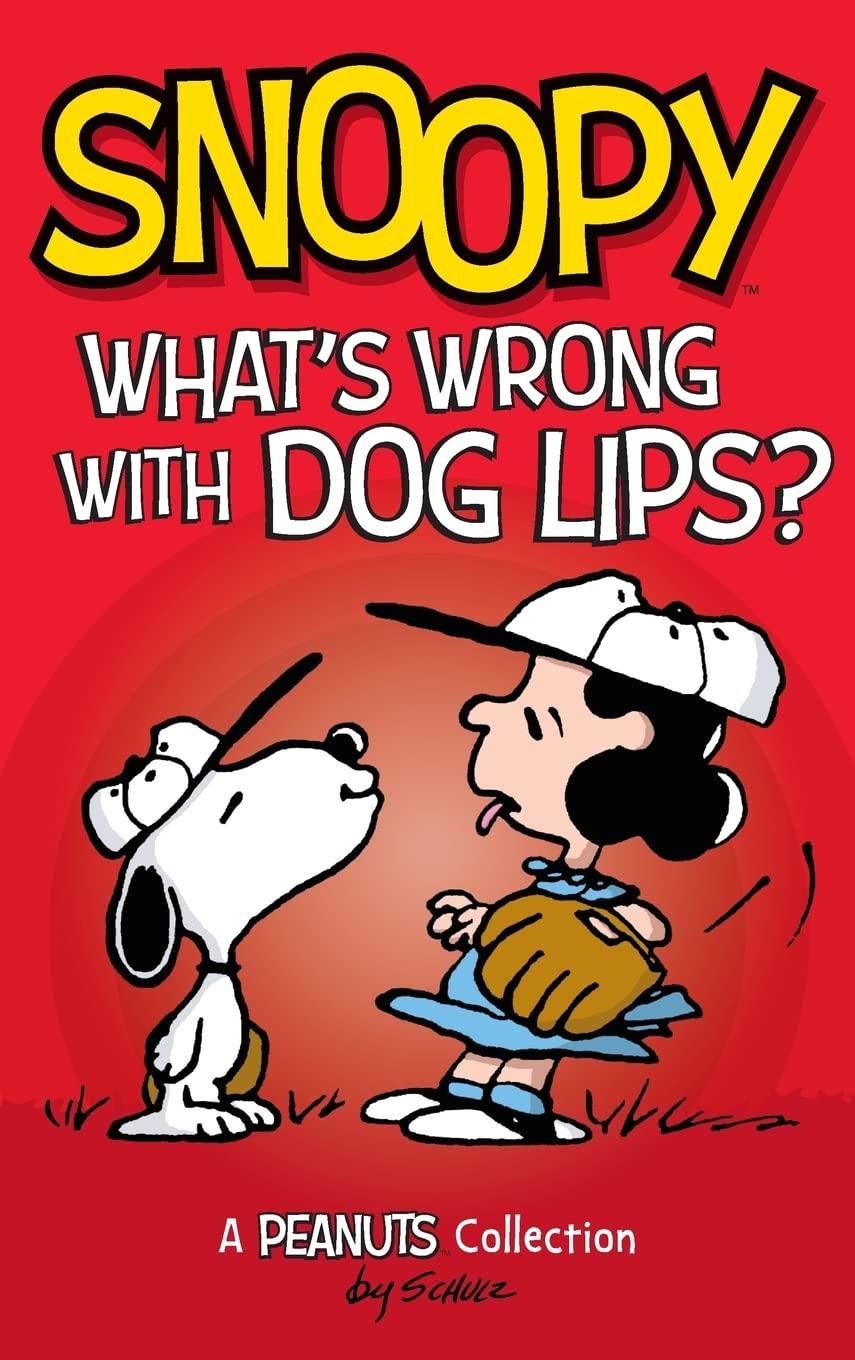
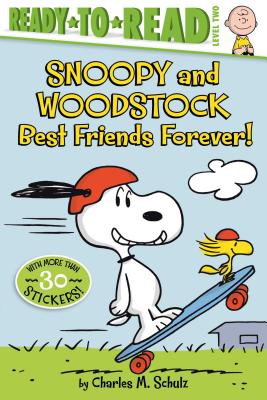
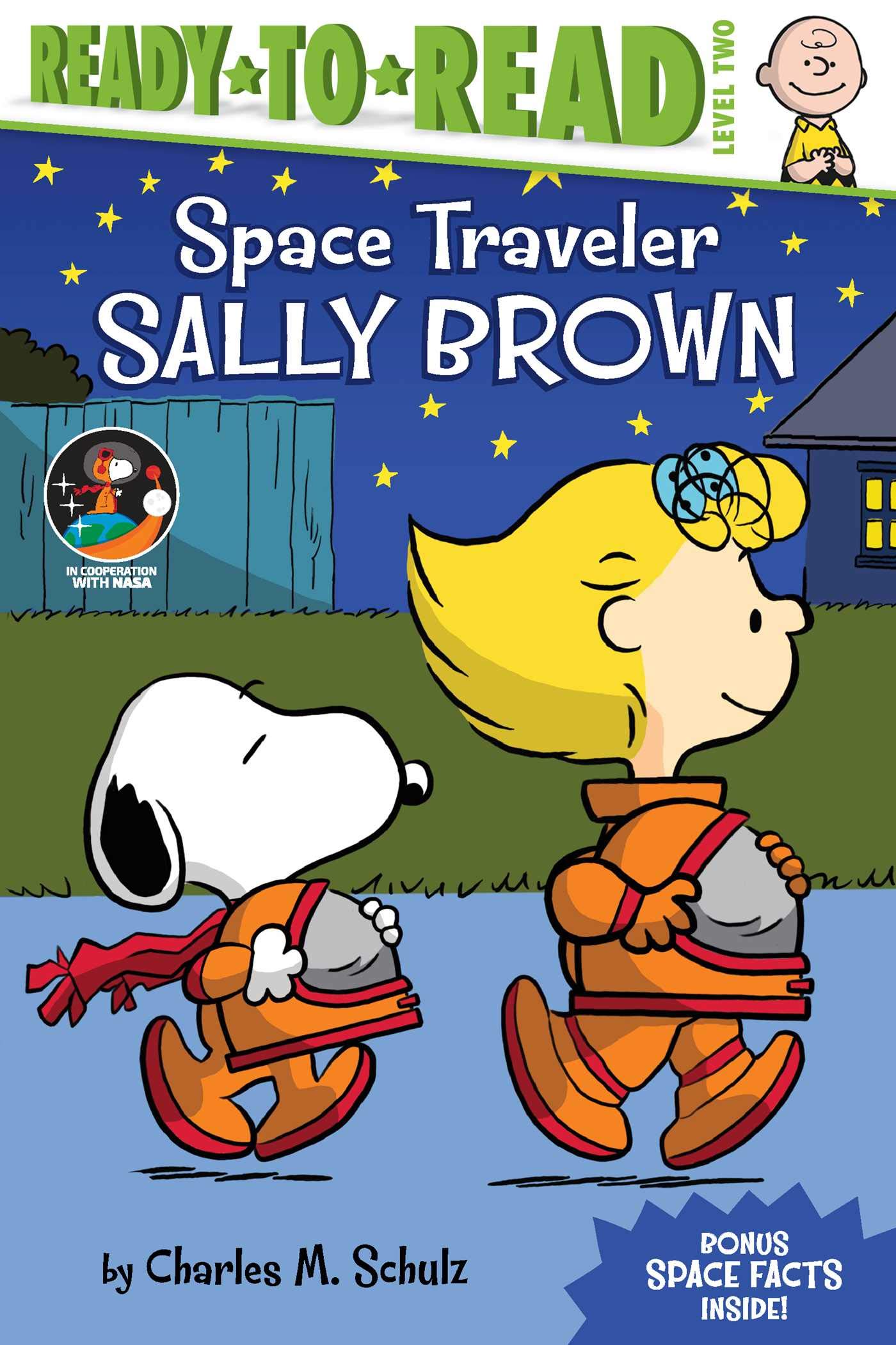
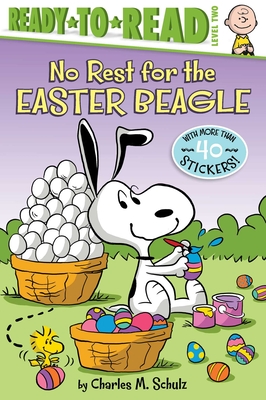
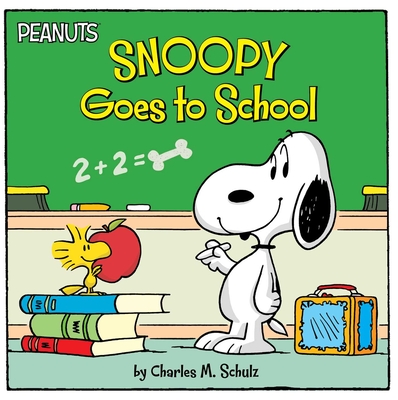
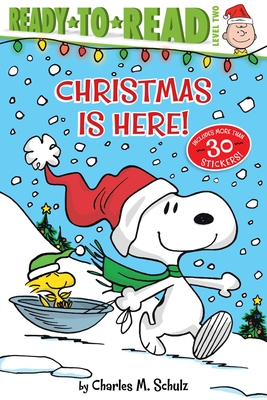
Snoopy may only live in a doghouse, but he sure knows how to throw a party Everyone's stopping by for the fun in this new AMP Peanuts collection. Who's on the guest list? Charlie Brown, Lucy, Linus? You betcha Even some birds, bunnies, and a friendly snowman join the party. But here's the best part . . . you're invited too Yup, that's right. Just make sure you don't forget to bring Snoopy his supper on time. In this new collection the old gang is back at it with fun, adventures, and . . . a cat? Good grief Check in with all your favorite Peanuts friends in this new addition, Snoopy: Party Animal Don't forget your party hats
作者介紹
Charles M. Schulz was born November 25, 1922 in Minneapolis. His destiny was foreshadowed when an uncle gave him, at the age of two days, the nickname Sparky (after the racehorse Spark Plug in the newspaper strip Barney Google).
In his senior year in high school, his mother noticed an ad in a local newspaper for a correspondence school, Federal Schools (later called Art Instruction Schools). Schulz passed the talent test, completed the course and began trying, unsuccessfully, to sell gag cartoons to magazines. (His first published drawing was of his dog, Spike, and appeared in a 1937 Ripley's Believe It Or Not! installment.) Between 1948 and 1950, he succeeded in selling 17 cartoons to the Saturday Evening Post—as well as, to the local St. Paul Pioneer Press, a weekly comic feature called Li'l Folks. It was run in the women's section and paid $10 a week. After writing and drawing the feature for two years, Schulz asked for a better location in the paper or for daily exposure, as well as a raise. When he was turned down on all three counts, he quit.
He started submitting strips to the newspaper syndicates. In the spring of 1950, he received a letter from the United Feature Syndicate, announcing their interest in his submission, Li'l Folks. Schulz boarded a train in June for New York City; more interested in doing a strip than a panel, he also brought along the first installments of what would become Peanuts—and that was what sold. (The title, which Schulz loathed to his dying day, was imposed by the syndicate). The first Peanuts daily appeared October 2, 1950; the first Sunday, January 6, 1952.
Diagnosed with cancer, Schulz retired from Peanuts at the end of 1999. He died on February 13, 2000, the day before Valentine's Day—and the day before his last strip was published—having completed 17,897 daily and Sunday strips, each and every one fully written, drawn, and lettered entirely by his own hand—an unmatched achievement in comics.
In his senior year in high school, his mother noticed an ad in a local newspaper for a correspondence school, Federal Schools (later called Art Instruction Schools). Schulz passed the talent test, completed the course and began trying, unsuccessfully, to sell gag cartoons to magazines. (His first published drawing was of his dog, Spike, and appeared in a 1937 Ripley's Believe It Or Not! installment.) Between 1948 and 1950, he succeeded in selling 17 cartoons to the Saturday Evening Post—as well as, to the local St. Paul Pioneer Press, a weekly comic feature called Li'l Folks. It was run in the women's section and paid $10 a week. After writing and drawing the feature for two years, Schulz asked for a better location in the paper or for daily exposure, as well as a raise. When he was turned down on all three counts, he quit.
He started submitting strips to the newspaper syndicates. In the spring of 1950, he received a letter from the United Feature Syndicate, announcing their interest in his submission, Li'l Folks. Schulz boarded a train in June for New York City; more interested in doing a strip than a panel, he also brought along the first installments of what would become Peanuts—and that was what sold. (The title, which Schulz loathed to his dying day, was imposed by the syndicate). The first Peanuts daily appeared October 2, 1950; the first Sunday, January 6, 1952.
Diagnosed with cancer, Schulz retired from Peanuts at the end of 1999. He died on February 13, 2000, the day before Valentine's Day—and the day before his last strip was published—having completed 17,897 daily and Sunday strips, each and every one fully written, drawn, and lettered entirely by his own hand—an unmatched achievement in comics.
規格
誠品貨碼 / 2682322677009
ISBN13 / 9781449476021
ISBN10 / 1449476023
EAN貨碼 / 9781449476021
頁數 / 178
注音版 / 否
裝訂 / H:精裝
語言 / 3:英文
尺寸 / 22.9x15.2x1.6
級別 / N:無
重量(g) / 494.4
退貨說明
退貨須知:
- 依照消費者保護法的規定,您享有商品貨到次日起七天猶豫期(含例假日)的權益(請注意!猶豫期非試用期),辦理退貨之商品必須是全新狀態(不得有刮傷、破損、受潮)且需完整(包含全部商品、配件、原廠內外包裝、贈品及所有附隨文件或資料的完整性等)。
- 請您以送貨廠商使用之包裝紙箱將退貨商品包裝妥當,若原紙箱已遺失,請另使用其他紙箱包覆於商品原廠包裝之外,切勿直接於原廠包裝上黏貼紙張或書寫文字。若原廠包裝損毀將可能被認定為已逾越檢查商品之必要程度,本公司得依毀損程度扣除回復原狀必要費用(整新費)後退費;請您先確認商品正確、外觀可接受,再行拆封,以免影響您的權利;若為產品瑕疵,本公司接受退貨。
依「通訊交易解除權合理例外情事適用準則」,下列商品不適用七日猶豫期,除產品本身有瑕疵外,不接受退貨:
- 易於腐敗、保存期限較短或解約時即將逾期。(如:生鮮蔬果、乳製品、冷凍冷藏食材、蛋糕)
- 依消費者要求所為之客製化給付。(如:客製印章、鋼筆刻字)
- 報紙、期刊或雜誌。
- 經消費者拆封之影音商品或電腦軟體。
- 非以有形媒介提供之數位內容或一經提供即為完成之線上服務,經消費者事先同意始提供。(如:電子書)
- 已拆封之個人衛生用品。(如:內衣褲、襪類、褲襪、刮鬍刀、除毛刀等貼身用品)
- 國際航空客運服務。
若您退貨時有下列情形,可能被認定已逾越檢查商品之必要程度而須負擔為回復原狀必要費用(整新費),或影響您的退貨權利,請您在拆封前決定是否要退貨:
- 以數位或電磁紀錄形式儲存或著作權相關之商品(包含但不限於CD、VCD、DVD、電腦軟體等) 包裝已拆封者(除運送用之包裝以外)。
- 耗材(包含但不限於墨水匣、碳粉匣、紙張、筆類墨水、清潔劑補充包等)之商品包裝已拆封者(除運送用之包裝以外)。
- 衣飾鞋類/寢具/織品(包含但不限於衣褲、鞋子、襪子、泳裝、床單、被套、填充玩具)或之商品缺件(含購買商品、附件、內外包裝、贈品等)或經剪標或下水或商品有不可回復之髒污或磨損痕跡。
- 食品、美容/保養用品、內衣褲等消耗性或個人衛生用品、商品銷售頁面上特別載明之商品已拆封者(除運送用之包裝外一切包裝、包括但不限於瓶蓋、封口、封膜等接觸商品內容之包裝部分)或已非全新狀態(外觀有刮傷、破損、受潮等)與包裝不完整(缺少商品、附件、原廠外盒、保護袋、配件紙箱、保麗龍、隨貨文件、贈品等)。
- 家電、3C、畫作、電子閱讀器等商品,除商品本身有瑕疵外,退回之商品已拆封(除運送用之包裝外一切包裝、包括但不限於封膜等接觸商品內容之包裝部分、移除封條、拆除吊牌、拆除貼膠或標籤等情形)或已非全新狀態(外觀有刮傷、破損、受潮等)與包裝不完整(缺少商品、附件、原廠外盒、保護袋、配件紙箱、保麗龍、隨貨文件、贈品等)。
- 退貨程序請參閱【客服專區→常見問題→誠品線上退貨退款】之說明。
付款/配送