防詐3要訣:不聽信、不操作、掛斷電話


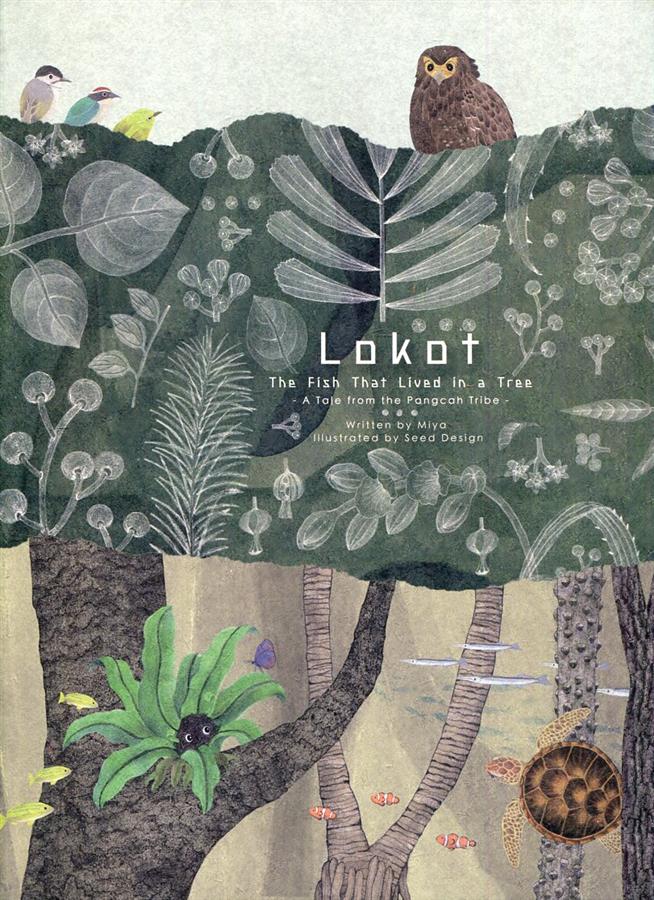
樹上的魚: Lokot 鳥巢蕨
The Fish That Lived in a Tree: Lokot
79
380300
查詢門市庫存
故事來自阿美族的口述相傳,有美麗山林、大海及豐富的潮間帶,他們說樹上住著一條魚,又說海岸邊,有守護土地的魚群們,大自然的故事和人的情誼緊扣在族群的口述文化裡。
內容簡介
故事來自阿美族的口述相傳,有美麗山林、大海及豐富的潮間帶,他們說樹上住著一條魚,又說海岸邊,有守護土地的魚群們,大自然的故事和人的情誼緊扣在族群的口述文化裡。
這個「住在樹上的魚」故事,不但精準點出林投在海岸的生態角色,也在三言兩語間準確描繪了山蘇、九芎、山棕、茄苳等植物的形態特徵;故事中的主配角們相互扶持、鼓勵的溫暖,充分體現阿美族的互助精神。這個簡短的神話故事,蘊含了深刻的自然觀察,與期待人們善良互助的寓意,讓人不由得讚嘆臺灣原住民族的傳統智慧。
Introduction
In ancient times, the Pangcah Tribe passed on their culture orally by telling stories about the beautiful coastal forest, the ocean, and the intertidal zone, a place that teems with life. An intertidal zone is the area between high and low tide. As a result of the tide, the coastline is not fixed like a line on a map, but moves in and out, every day. Looking out across this intertidal zone into the sea, the Pangcah people told stories of a fish that came to live in a tree and of a tribe of fish that lives near the coast and takes care of the land. These are stories of friendship between natural creatures. Nature and friendship are essential elements of the oral culture of the Pangcah people.
This story of the fish in the tree from Miya not only points out the ecological role of the screw pine on seashores, but also describes species like the bird’s nest fern, crape myrtle, sugar palm, and bishop wood accurately in just a few words. The warmth of the characters, who help and encourage one another, attests to the spirit of helping each other in the Pangcah (Amis). Reading a story that contains such keenly observed natural detail combined with a moral vision that could be understood in terms of symbiosis, we can’t help but feel awed by traditional indigenous wisdom.
這個「住在樹上的魚」故事,不但精準點出林投在海岸的生態角色,也在三言兩語間準確描繪了山蘇、九芎、山棕、茄苳等植物的形態特徵;故事中的主配角們相互扶持、鼓勵的溫暖,充分體現阿美族的互助精神。這個簡短的神話故事,蘊含了深刻的自然觀察,與期待人們善良互助的寓意,讓人不由得讚嘆臺灣原住民族的傳統智慧。
Introduction
In ancient times, the Pangcah Tribe passed on their culture orally by telling stories about the beautiful coastal forest, the ocean, and the intertidal zone, a place that teems with life. An intertidal zone is the area between high and low tide. As a result of the tide, the coastline is not fixed like a line on a map, but moves in and out, every day. Looking out across this intertidal zone into the sea, the Pangcah people told stories of a fish that came to live in a tree and of a tribe of fish that lives near the coast and takes care of the land. These are stories of friendship between natural creatures. Nature and friendship are essential elements of the oral culture of the Pangcah people.
This story of the fish in the tree from Miya not only points out the ecological role of the screw pine on seashores, but also describes species like the bird’s nest fern, crape myrtle, sugar palm, and bishop wood accurately in just a few words. The warmth of the characters, who help and encourage one another, attests to the spirit of helping each other in the Pangcah (Amis). Reading a story that contains such keenly observed natural detail combined with a moral vision that could be understood in terms of symbiosis, we can’t help but feel awed by traditional indigenous wisdom.
作者介紹
作者:桂春‧米雅、企劃:行政院農業委員會林務局、繪者:種籽設計
《桂春‧ 米雅》(1967-)
南島語族群的臺灣 Pangcah(Amis, 阿美族),出生於臺灣臺東縣,致力記錄臺灣南島族群文化,潛心努力實地探訪、採集和記錄原住民族風情文物。
目前居住於雲林,長期關注原住民族傳統文化,並擔任臺灣原住民族文化研究室研究員,原住民族文化作家,寫作踏查之餘任職於長期照護機構。
About the narrator
Miya (1967–)
Miya is from Taitung County in southeastern Taiwan, where a lot of Taiwan’s indigenous people live. She belongs to the Pangcah Tribe, which the Taiwan government calls the Amis Tribe. The Pangcah (or Amis) are Austronesian. The Austronesian family of languages and cultures stretches from Taiwan in the north to New Zealand in the
south and from Madagascar in the west to Easter Island in the east. Miya has dedicated herself to researching Austronesian cultures through fieldwork. For her fieldwork, she interviews Pangcah (Amis) elders and records their stories and memories.
Today she lives in Yunlin, a county in central Taiwan on the west coast, but is still dedicated to studying indigenous cultural traditions as a researcher at the Taiwan Indigenous Cultural Research Institute. When she isn’t doing research or writing, she works for an organization that provides long-term care to the elderly.
《桂春‧ 米雅》(1967-)
南島語族群的臺灣 Pangcah(Amis, 阿美族),出生於臺灣臺東縣,致力記錄臺灣南島族群文化,潛心努力實地探訪、採集和記錄原住民族風情文物。
目前居住於雲林,長期關注原住民族傳統文化,並擔任臺灣原住民族文化研究室研究員,原住民族文化作家,寫作踏查之餘任職於長期照護機構。
About the narrator
Miya (1967–)
Miya is from Taitung County in southeastern Taiwan, where a lot of Taiwan’s indigenous people live. She belongs to the Pangcah Tribe, which the Taiwan government calls the Amis Tribe. The Pangcah (or Amis) are Austronesian. The Austronesian family of languages and cultures stretches from Taiwan in the north to New Zealand in the
south and from Madagascar in the west to Easter Island in the east. Miya has dedicated herself to researching Austronesian cultures through fieldwork. For her fieldwork, she interviews Pangcah (Amis) elders and records their stories and memories.
Today she lives in Yunlin, a county in central Taiwan on the west coast, but is still dedicated to studying indigenous cultural traditions as a researcher at the Taiwan Indigenous Cultural Research Institute. When she isn’t doing research or writing, she works for an organization that provides long-term care to the elderly.
規格
誠品貨碼 / 2681869412005
ISBN13 / 9789865440831
ISBN10 / 9865440830
EAN貨碼 / 9789865440831
頁數 / 44
注音版 / 否
裝訂 / H:精裝
語言 / 1:中文/繁體
尺寸 / 29.4X24CM
級別 / N:無
退貨說明
退貨須知:
- 依照消費者保護法的規定,您享有商品貨到次日起七天猶豫期(含例假日)的權益(請注意!猶豫期非試用期),辦理退貨之商品必須是全新狀態(不得有刮傷、破損、受潮)且需完整(包含全部商品、配件、原廠內外包裝、贈品及所有附隨文件或資料的完整性等)。
- 請您以送貨廠商使用之包裝紙箱將退貨商品包裝妥當,若原紙箱已遺失,請另使用其他紙箱包覆於商品原廠包裝之外,切勿直接於原廠包裝上黏貼紙張或書寫文字。若原廠包裝損毀將可能被認定為已逾越檢查商品之必要程度,本公司得依毀損程度扣除回復原狀必要費用(整新費)後退費;請您先確認商品正確、外觀可接受,再行拆封,以免影響您的權利;若為產品瑕疵,本公司接受退貨。
依「通訊交易解除權合理例外情事適用準則」,下列商品不適用七日猶豫期,除產品本身有瑕疵外,不接受退貨:
- 易於腐敗、保存期限較短或解約時即將逾期。(如:生鮮蔬果、乳製品、冷凍冷藏食材、蛋糕)
- 依消費者要求所為之客製化給付。(如:客製印章、鋼筆刻字)
- 報紙、期刊或雜誌。
- 經消費者拆封之影音商品或電腦軟體。
- 非以有形媒介提供之數位內容或一經提供即為完成之線上服務,經消費者事先同意始提供。(如:電子書)
- 已拆封之個人衛生用品。(如:內衣褲、襪類、褲襪、刮鬍刀、除毛刀等貼身用品)
- 國際航空客運服務。
若您退貨時有下列情形,可能被認定已逾越檢查商品之必要程度而須負擔為回復原狀必要費用(整新費),或影響您的退貨權利,請您在拆封前決定是否要退貨:
- 以數位或電磁紀錄形式儲存或著作權相關之商品(包含但不限於CD、VCD、DVD、電腦軟體等) 包裝已拆封者(除運送用之包裝以外)。
- 耗材(包含但不限於墨水匣、碳粉匣、紙張、筆類墨水、清潔劑補充包等)之商品包裝已拆封者(除運送用之包裝以外)。
- 衣飾鞋類/寢具/織品(包含但不限於衣褲、鞋子、襪子、泳裝、床單、被套、填充玩具)或之商品缺件(含購買商品、附件、內外包裝、贈品等)或經剪標或下水或商品有不可回復之髒污或磨損痕跡。
- 食品、美容/保養用品、內衣褲等消耗性或個人衛生用品、商品銷售頁面上特別載明之商品已拆封者(除運送用之包裝外一切包裝、包括但不限於瓶蓋、封口、封膜等接觸商品內容之包裝部分)或已非全新狀態(外觀有刮傷、破損、受潮等)與包裝不完整(缺少商品、附件、原廠外盒、保護袋、配件紙箱、保麗龍、隨貨文件、贈品等)。
- 家電、3C、畫作、電子閱讀器等商品,除商品本身有瑕疵外,退回之商品已拆封(除運送用之包裝外一切包裝、包括但不限於封膜等接觸商品內容之包裝部分、移除封條、拆除吊牌、拆除貼膠或標籤等情形)或已非全新狀態(外觀有刮傷、破損、受潮等)與包裝不完整(缺少商品、附件、原廠外盒、保護袋、配件紙箱、保麗龍、隨貨文件、贈品等)。
- 退貨程序請參閱【客服專區→常見問題→誠品線上退貨退款】之說明。
付款/配送