內容簡介
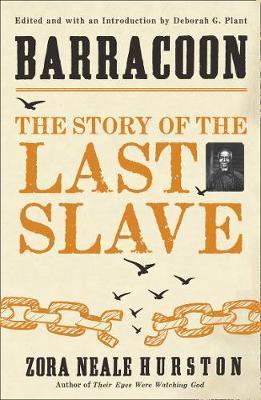
內容簡介 和美國眾多的奴隸一樣,Cudjo Lewis在家鄉非洲被美國人捕捉後,和幾千幾萬的男人、女人、小孩一起擠在貨船中來到美國當奴隸,Lewis的故事訴說著也許是美國最黑暗的歷史─奴隸制度的苦與淚。因《他們眼望上蒼》一書的成功,躍上紐約時報暢銷作者之列的柔拉‧涅爾‧赫斯頓,在一九二七年的美國阿拉巴馬州訪問了當時已八十七歲的卡喬‧路易斯,並記錄下路易斯第一手的故事。過了幾年,赫斯頓再次回到阿拉巴馬,這次除了路易斯,她也和其他曾是奴隸的長者接觸,從他們身上感受到在非洲害怕被捕捉、被放到收容奴隸的場所、被當作物品一樣販賣的恐懼。本書以路易斯和其他人的訪談紀錄所寫下,透過赫斯頓之手,敘述奴隸制度造成的許許多多故事,還有被奴隸給影響一生的故事。A major literary event: a newly published work from the author of the American classic Their Eyes Were Watching God, with a foreword from Pulitzer Prize-winning author Alice Walker, brilliantly illuminates the horror and injustices of slavery as it tells the true story of one of the last-known survivors of the Atlantic slave trade.In 1927, Zora Neale Hurston went to Plateau, Alabama, just outside Mobile, to interview eighty-six-year-old Cudjo Lewis, who was abducted from Africa on the last "Black Cargo" ship to arrive in the United States. Of the millions of men, women, and children transported from Africa to America as slaves, Cudjo was then the only person alive to tell the story of this integral part of the nation’s history. Hurston was there to record Cudjo’s firsthand account of the raid that led to his capture and bondage fifty years after the Atlantic slave trade was outlawed in the United States.In 1931, Hurston returned to Plateau, the African-centric community three miles from Mobile founded by Cudjo and other former slaves from his ship. Spending more than three months there, she talked in depth with Cudjo about the details of his life. During those weeks, the young writer and the elderly formerly enslaved man ate peaches and watermelon that grew in the backyard and talked about Cudjo’s past―memories from his childhood in Africa, the horrors of being captured and held in a barracoon for selection by American slavers, the harrowing experience of the Middle Passage packed with more than 100 other souls aboard the Clotilda, and the years he spent in slavery until the end of the Civil War.Based on those interviews, featuring Cudjo’s unique vernacular, and written from Hurston’s perspective with the compassion and singular style that have made her one of the preeminent American authors of the twentieth-century, Barracoon masterfully illustrates the tragedy of slavery and of one life forever defined by it. Offering insight into the pernicious legacy that continues to haunt us all, black and white, this poignant and powerful work is an invaluable contribution to our shared history and culture.