內容簡介
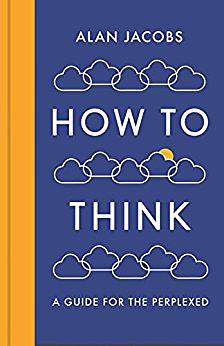
內容簡介 在衝突與混亂的世界,我們都需要好好思考。大部分的人都不願意思考,因為思考很麻煩。它不僅迫使我們離開熟悉的習慣,也使我們不那麼舒服自在。我們與志同道合朋友的關係,也因為思考而變差或變複雜。況且,思考需要時間,它是一種慢速活動。資訊爆炸的時代,我們習慣快速消化訊息,慢速的思考便成了一個問題。各種社群媒體所建立的速度與派別之爭,以壓倒性的勝利之姿,輾過由思考所得的正確性與細微差別。因此,我們便迷失在現代的渾沌當中。如何改變衝突與混亂的現狀?本書作者亞倫.傑柯布(Alan Jacobs)認為我們應該要好好思考。在本書中,他診斷出許多阻礙我們思考的原因,諸如:”另類真相”與”資訊超載”,這些思考阻力在推特時代變本加厲。他提醒我們:不要老想著怎麼去反對他人,因為這樣很危險與最棒的人一同思考,這是必須的我們能夠為我們自己思考這樣的想法其實是個迷思思考與歸屬感如何起衝突小心思考所用的字眼,因為它們常常帶來危險傑柯布援引小說、運動、哲學、神學…等各領域的作者或知名人士的想法,深入挖掘認知過程的基本要素,幫助我們找回”思考”這個已然佚失的藝術,希望我們能夠從已經失控的公共辯論中抽身而出,重新找回我們的心靈生活。他相信,只要我們能夠一同思考,或許就能夠學習和平共處。How to Think is a contrarian treatise on why we're not as good at thinking as we assume - but how recovering this lost art can rescue our inner lives from the chaos of modern life.Most of us don't want to think, writes the American essayist Alan Jacobs. Thinking is trouble. It can force us out of familiar, comforting habits, and it can complicate our relationships with like-minded friends. Finally, thinking is slow, and that's a problem when our habits of consuming information (mostly online) leave us lost in the echo chamber of social media, where speed and factionalism trump accuracy and nuance.In this clever, witty book, Jacobs diagnoses the many forces that prevent thought - forces that have only worsened in the age of Twitter, such as "alternative facts," and information overload. He also dispels the many myths we hold about what it means to think well. (For example: it's impossible to "think for yourself.")Drawing on sources as far-flung as the novelist Marilynne Robinson, the basketball legend Wilt Chamberlain, the British philosopher John Stuart Mill and the Christian theologian C.S. Lewis, Jacobs digs into the nuts and bolts of the cognitive process, offering hope that each of us can reclaim our mental lives from the whirlpool of what now passes for public debate.After all, if we can learn to think together, perhaps we can learn to live together.