防詐3要訣:不聽信、不操作、掛斷電話



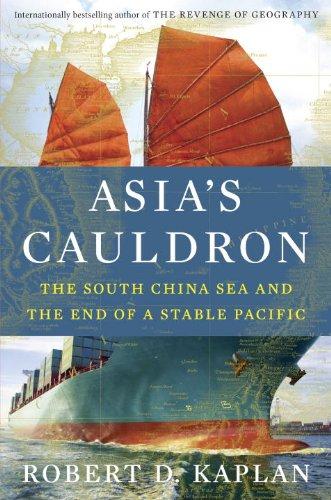
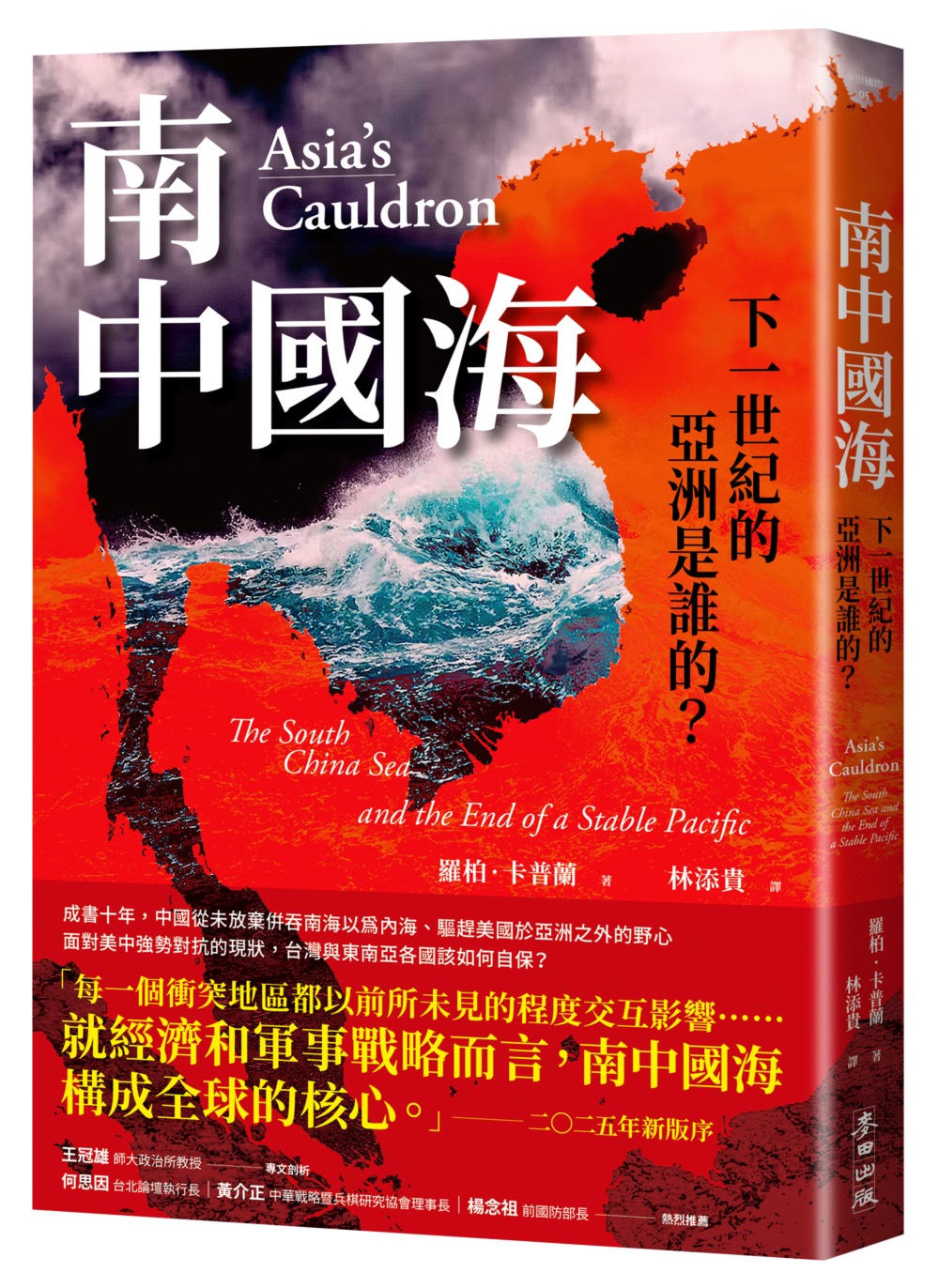
Asia's Cauldron: The South China Sea and the End of a Stable Pacific
出版日期:
2015/01/05
79
630497
查詢門市庫存
內容簡介
中美分治東西半球是否可能,關鍵在南海!
全球百大思想家、知名戰地記者兼戰略分析家――羅柏•卡普蘭――深入南海周邊國家第一手觀察分析。
併吞南海以為中國內海,驅趕美國於亞洲之外,
是中國為了經濟與戰略安全必須走的險棋。
美國有可能讓步嗎?台灣與東南亞各國該如何自保?
中國在南海的作為,正是踏著美國百年前的步伐──
1823年,美國總統發表「門羅主義」,意在將歐洲勢力趕出美洲。隨後,美國在1898年打敗西班牙的殖民帝國,奪下古巴,更費時十年於1914年完成巴拿馬運河的開鑿,打通大西洋與太平洋的交通。自此以後,美國不僅完全掌握加勒比海,更將整個中南美洲納入勢力範圍,從此實質控制了西半球,進而能夠干預全球事務。
這段百年前美國經營帝國的事蹟,今天都看在中國的眼裡。如果美國可以據有加勒比海,中國也應當據有南中國海,使之成為名符其實的「中國海」!
即使沒有模仿美國的企圖,南海的交通與能源價值也是中國不可能忽視的戰略腹地。每年全世界有1/3的海上交通經過南海。從印度洋穿過麻六甲海峽、運往東亞的石油是經過巴拿馬運河的15倍。日本和台灣將近60%的能源供應,以及中國80%的原油進口要經過南海。除了波斯灣與東北亞,南海是全球第三重要的戰略據點。
從國家定位、政府改造,到建軍備戰,東南亞各國要如何面對南海之爭──
本書作者羅柏‧卡普蘭曾被《外交政策》雜誌選為全球前100大思想家,不僅是全球知名的戰略分析師,也是足跡遍及世界各角落的旅行文學家,具備深入各地民間的細膩眼光。在本書中,卡普蘭除了針對南海的戰略意義提出分析之外,更從東南亞各國的內部問題出發,討論各國的困境:對抗中國已經一千年的越南在南海問題上扮演什麼角色?李光耀在新加坡建立的威權主義固然犧牲了一定的自由,但不僅帶來了經濟成長,更奠定了新加坡面對中國威脅的硬實力基礎。歷史該如何評價他的貢獻?相比之下,民族認同脆弱的馬來西亞、貪腐肆虐的菲律賓又要如何伸張國家主權?台灣,這個「自由的前哨站」,願意犧牲目前的繁榮富庶,決心對抗中國嗎?
對卡普蘭來說,南海之爭不只是一場軍事與外交的角力,也是東南亞各國徹底檢討自身的國家定位、政府體制,以及發展策略的試煉。
※中文書介出自《南中國海: 下一世紀的亞洲是誰的? 》
From Robert D. Kaplan, named one of the world’s Top 100 Global Thinkers by Foreign Policy magazine, comes a penetrating look at the volatile region that will dominate the future of geopolitical conflict.
Over the last decade, the center of world power has been quietly shifting from Europe to Asia. With oil reserves of several billion barrels, an estimated nine hundred trillion cubic feet of natural gas, and several centuries’ worth of competing territorial claims, the South China Sea in particular is a simmering pot of potential conflict. The underreported military buildup in the area where the Western Pacific meets the Indian Ocean means that it will likely be a hinge point for global war and peace for the foreseeable future.
In Asia’s Cauldron, Robert D. Kaplan offers up a vivid snapshot of the nations surrounding the South China Sea, the conflicts brewing in the region at the dawn of the twenty-first century, and their implications for global peace and stability. One of the world’s most perceptive foreign policy experts, Kaplan interprets America’s interests in Asia in the context of an increasingly assertive China. He explains how the region’s unique geography fosters the growth of navies but also impedes aggression. And he draws a striking parallel between China’s quest for hegemony in the South China Sea and the United States’ imperial adventure in the Caribbean more than a century ago.
To understand the future of conflict in East Asia, Kaplan argues, one must understand the goals and motivations of its leaders and its people. Part travelogue, part geopolitical primer, Asia’s Cauldron takes us on a journey through the region’s boom cities and ramshackle slums: from Vietnam, where the superfueled capitalism of the erstwhile colonial capital, Saigon, inspires the geostrategic pretensions of the official seat of government in Hanoi, to Malaysia, where a unique mix of authoritarian Islam and Western-style consumerism creates quite possibly the ultimate postmodern society; and from Singapore, whose “benevolent autocracy” helped foster an economic miracle, to the Philippines, where a different brand of authoritarianism under Ferdinand Marcos led not to economic growth but to decades of corruption and crime.
At a time when every day’s news seems to contain some new story—large or small—that directly relates to conflicts over the South China Sea, Asia’s Cauldron is an indispensable guide to a corner of the globe that will affect all of our lives for years to come.
Praise for Asia’s Cauldron
“Asia’s Cauldron is a short book with a powerful thesis, and it stands out for its clarity and good sense. . . . If you are doing business in China, traveling in Southeast Asia or just obsessing about geopolitics, you will want to read it.”—The New York Times Book Review
“Kaplan has established himself as one of our most consequential geopolitical thinkers. . . . [Asia’s Cauldron] is part treatise on geopolitics, part travel narrative. Indeed, he writes in the tradition of the great travel writers.”—The Weekly Standard
“Kaplan’s fascinating book is a welcome challenge to the pessimists who see only trouble in China’s rise and the hawks who view it as malign.”—The Economist
“Muscular, deeply knowledgeable . . . Kaplan is an ultra-realist [who] takes a non-moralistic stance on questions of power and diplomacy.”—Financial Times
作者介紹
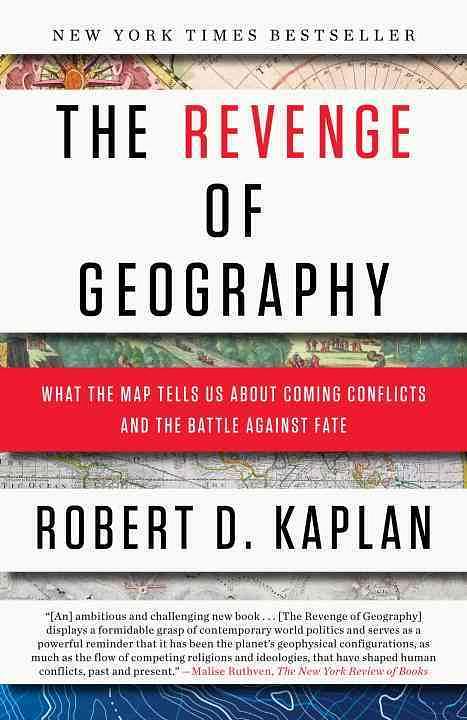
Robert D. Kaplan is the bestselling author of sixteen books on foreign affairs and travel translated into many languages, including Asia’s Cauldron, The Revenge of Geography, Monsoon, The Coming Anarchy, and Balkan Ghosts. He is a senior fellow at the Center for a New American Security and a contributing editor at The Atlantic, where his work has appeared for three decades. He was chief geopolitical analyst at Stratfor, a visiting professor at the United States Naval Academy, and a member of the Pentagon’s Defense Policy Board. Foreign Policy magazine has twice named him one of the world’s Top 100 Global Thinkers.
規格
誠品貨碼 / 2681462627004
ISBN13 / 9780812984804
ISBN10 / 0812984803
EAN貨碼 / 9780812984804
頁數 / 256
注音版 / 否
裝訂 / P:平裝
語言 / 3:英文
級別 / N:無
退貨說明
退貨須知:
- 依照消費者保護法的規定,您享有商品貨到次日起七天猶豫期(含例假日)的權益(請注意!猶豫期非試用期),辦理退貨之商品必須是全新狀態(不得有刮傷、破損、受潮)且需完整(包含全部商品、配件、原廠內外包裝、贈品及所有附隨文件或資料的完整性等)。
- 請您以送貨廠商使用之包裝紙箱將退貨商品包裝妥當,若原紙箱已遺失,請另使用其他紙箱包覆於商品原廠包裝之外,切勿直接於原廠包裝上黏貼紙張或書寫文字。若原廠包裝損毀將可能被認定為已逾越檢查商品之必要程度,本公司得依毀損程度扣除回復原狀必要費用(整新費)後退費;請您先確認商品正確、外觀可接受,再行拆封,以免影響您的權利;若為產品瑕疵,本公司接受退貨。
依「通訊交易解除權合理例外情事適用準則」,下列商品不適用七日猶豫期,除產品本身有瑕疵外,不接受退貨:
- 易於腐敗、保存期限較短或解約時即將逾期。(如:生鮮蔬果、乳製品、冷凍冷藏食材、蛋糕)
- 依消費者要求所為之客製化給付。(如:客製印章、鋼筆刻字)
- 報紙、期刊或雜誌。
- 經消費者拆封之影音商品或電腦軟體。
- 非以有形媒介提供之數位內容或一經提供即為完成之線上服務,經消費者事先同意始提供。(如:電子書)
- 已拆封之個人衛生用品。(如:內衣褲、襪類、褲襪、刮鬍刀、除毛刀等貼身用品)
- 國際航空客運服務。
若您退貨時有下列情形,可能被認定已逾越檢查商品之必要程度而須負擔為回復原狀必要費用(整新費),或影響您的退貨權利,請您在拆封前決定是否要退貨:
- 以數位或電磁紀錄形式儲存或著作權相關之商品(包含但不限於CD、VCD、DVD、電腦軟體等) 包裝已拆封者(除運送用之包裝以外)。
- 耗材(包含但不限於墨水匣、碳粉匣、紙張、筆類墨水、清潔劑補充包等)之商品包裝已拆封者(除運送用之包裝以外)。
- 衣飾鞋類/寢具/織品(包含但不限於衣褲、鞋子、襪子、泳裝、床單、被套、填充玩具)或之商品缺件(含購買商品、附件、內外包裝、贈品等)或經剪標或下水或商品有不可回復之髒污或磨損痕跡。
- 食品、美容/保養用品、內衣褲等消耗性或個人衛生用品、商品銷售頁面上特別載明之商品已拆封者(除運送用之包裝外一切包裝、包括但不限於瓶蓋、封口、封膜等接觸商品內容之包裝部分)或已非全新狀態(外觀有刮傷、破損、受潮等)與包裝不完整(缺少商品、附件、原廠外盒、保護袋、配件紙箱、保麗龍、隨貨文件、贈品等)。
- 家電、3C、畫作、電子閱讀器等商品,除商品本身有瑕疵外,退回之商品已拆封(除運送用之包裝外一切包裝、包括但不限於封膜等接觸商品內容之包裝部分、移除封條、拆除吊牌、拆除貼膠或標籤等情形)或已非全新狀態(外觀有刮傷、破損、受潮等)與包裝不完整(缺少商品、附件、原廠外盒、保護袋、配件紙箱、保麗龍、隨貨文件、贈品等)。
- 退貨程序請參閱【客服專區→常見問題→誠品線上退貨退款】之說明。
付款/配送