內容簡介
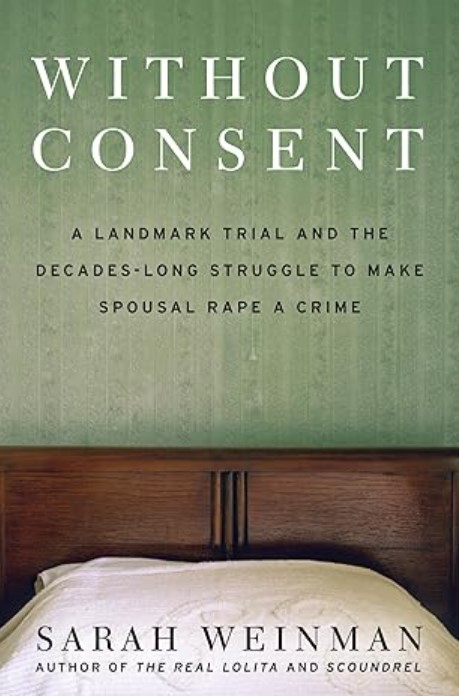
內容簡介 出自《Scoundrel》和《The Real Lolita》作者 Sarah Weinman 的新作,《Without Consent》揭露了美國第一起重大「配偶強暴案」以及這起案件對女性權利所引發、並持續迴盪數十年的迫切問題。1978 年,Greta Rideout 成為美國史上第一位指控丈夫強暴的女性。當時「婚內強暴」在多數美國人眼中仍被視為荒謬的概念,全國僅有四個州將其視為犯罪。在法院快速且保守的審理中,John Rideout 最終被判無罪,他的辯護律師甚至辱罵說:「也許被強暴是婚姻的一種風險。」審判過後,Greta 成為公眾嘲笑與羞辱的對象,被迫退出公共生活,而 John 則繼續成為多次犯案的性暴力加害者。這起案件迅速成為全國焦點,Greta 與她的故事成了象徵——象徵美國社會對女性持續而精準的憎恨,以及一套從根本設計上要讓女性失敗的司法體系。如今已逐漸被世人遺忘,但極需被重新關注的這場審判,在 Sarah Weinman 的筆下,以其一貫的敏銳智慧與嚴謹的調查精神,再次呈現其深遠影響。案件 Oregon v. Rideout 直接激勵了女性主義者展開一州又一州的改革戰役,推動婚內強暴的立法,而直到 1993 年,美國五十州才終於全面將婚內強暴定為犯罪。透過大量的檔案研究、對 Greta、對後來成功控告 John 的受害者及與法院抗爭的行動者的全新採訪,《Without Consent》呈現了關於性別、性、權力的激烈辯論,同時凸顯了美國文化中深植已久、至今依然存在的傷害性厭女框架。 From Sarah Weinman, author of Scoundrel and The Real Lolita, comes an eye-opening story about the first major spousal rape trial in America and urgent questions it raised about women’s rights that would reverberate for decades.In 1978, Greta Rideout was the first woman in United States history to accuse her husband of rape, at a time when the idea of “marital rape” seemed ludicrous to many Americans and was a crime in only four states. After a quick and conservative trial acquitted John Rideout and a defense lawyer lambasted that “maybe rape is the risk of being married,” Greta was ridiculed and scorned from public life, while John went on to be a repeat offender. Thrust into the national spotlight, Greta and her story would become a national sensation, a symbol of a country’s unrelenting and targeted hate toward women and a court system designed to fail them at every turn.A now little-remembered trial deserving of close, wide, and lasting attention, Sarah Weinman turns her signature intelligence and journalistic rigor to the enduring impact of this case. Oregon v. Rideout directly inspired feminist activists, who fought state by state for marital rape laws, a battle that was not won in all fifty until as recently as 1993. Mixing archival research and new reporting involving Greta, those who successfully pressed charges against John in later years, as well as the activists battling the courts in parallel, Without Consent embodies vociferous debates about gender, sexuality, and power, while highlighting the damaging and inherent misogyny of American culture then and still now.