內容簡介
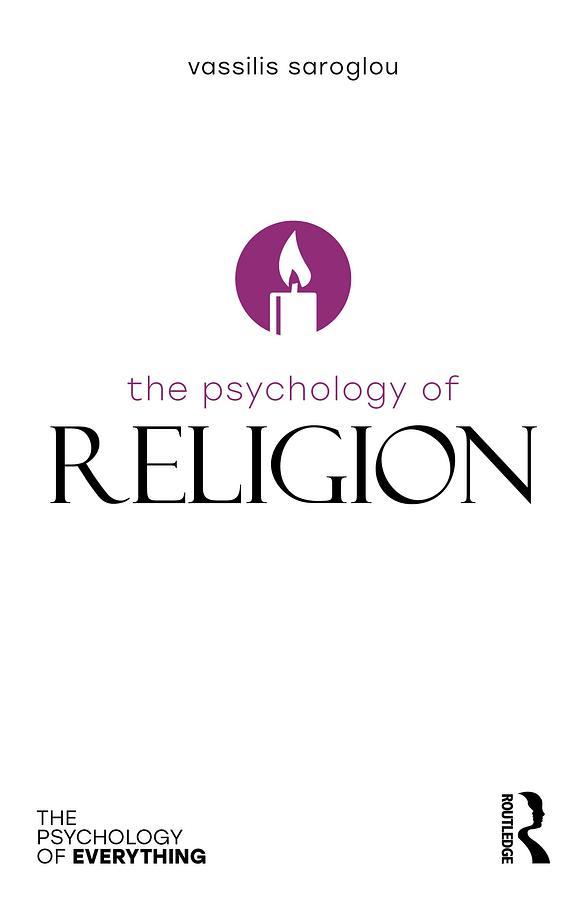
內容簡介 Does religion positively affect well-being? What leads to fundamentalism? Do religious beliefs make us more moral? The Psychology of Religion explores the often contradictory ideas people have about religion and religious faiths, spirituality, fundamentalism, and atheism. The book examines whether we choose to be religious, or whether it is down to factors such as genes, environment, personality, cognition, and emotion. It analyses religion’s effects on morality, health, and social behavior and asks whether religion will survive in our modern society. Offering a balanced view, The Psychology of Religion shows that both religiosity and atheism have their own psychological costs and benefits, with some of them becoming more salient in certain environments.
作者介紹
作者介紹 Vassilis SaroglouVassilis Saroglou is Professor of Psychology at the University of Louvain, Belgium. He has conducted extensive research on religion from the perspective of social, personality, cross-cultural, moral, and emotion psychology.
產品目錄
產品目錄 1. Can we study religion in the lab? 2. Believers and atheists: what makes the difference? 3. Theist children, apostate adolescents, bigot late adults? 4. Does religion make us more moral? 5. Is religion good for you? 6. Will religion survive? Further reading Notes References