防詐3要訣:不聽信、不操作、掛斷電話




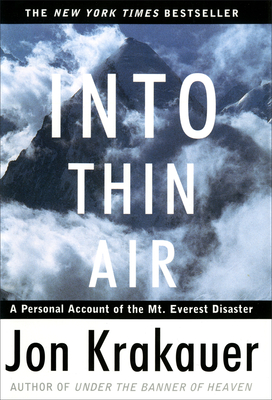
Into Thin Air: A Personal Account of the Mount Everest Disaster
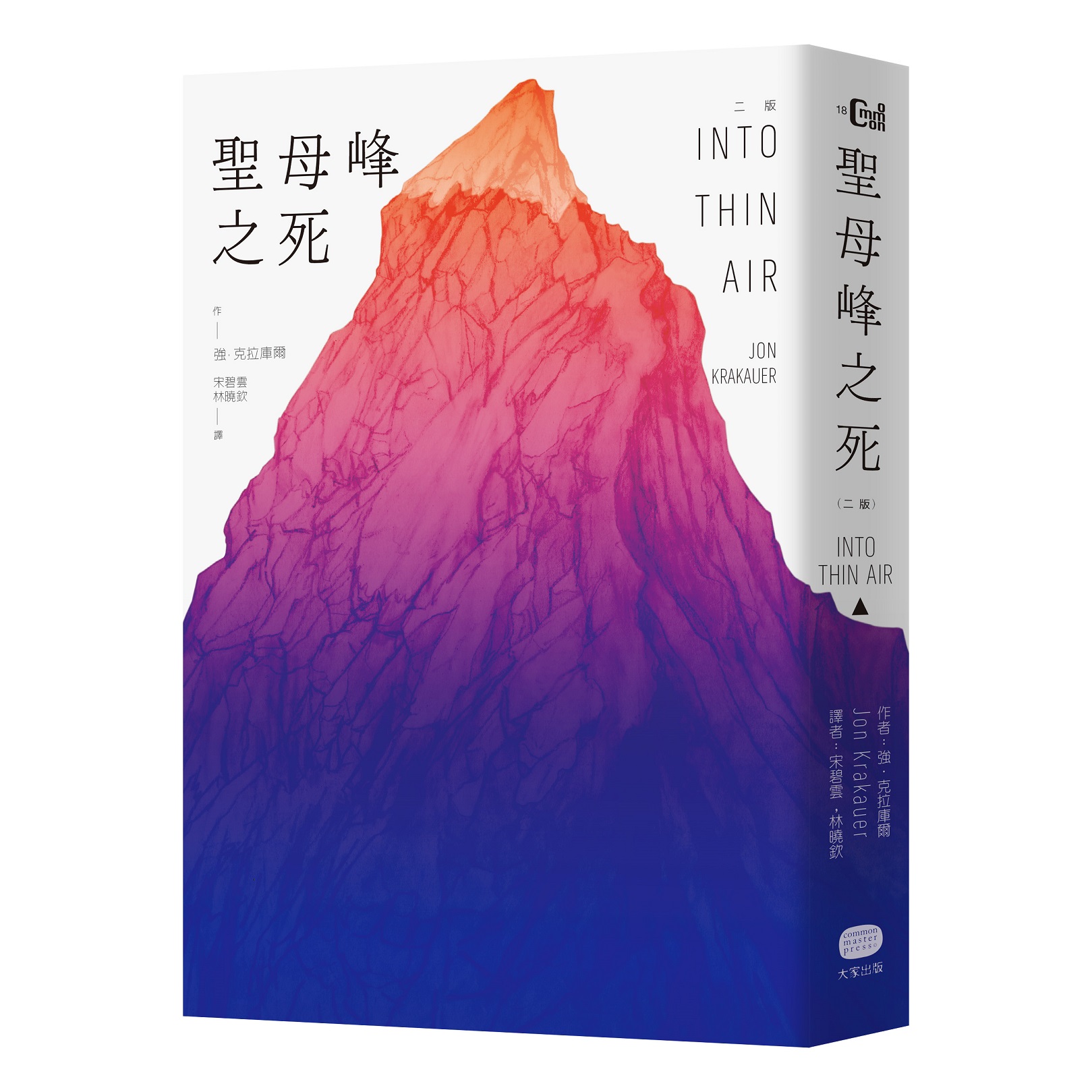
聖母峰之死
出版社:
出版日期:
1999/10/18
9
800720
訂單自國外空運,約14-21個工作天(不含例假日)到貨後依序出貨。為縮短等待,建議將此商品和其他商品分開下單。
查詢門市庫存
Now available in paperback comes the bestselling adventure book by Jon Krakauer, the acclaimed author of "Into the Wild". When disaster struck during his ascent of Mt. Everest, killing eight climbers, Krakauer survived by luck, skill, and discipline. Now, he has written the definitive account of this headline-making tragedy. Illustrations.
內容簡介
一場讓世人討論了二十年,並引發無數電影、書籍、紀錄片、報導的山難
「貼近生命消逝的謎團,偷瞄死亡的禁忌疆界,都令人血脈賁張。
我堅信登山是偉大的活動,固有的危險非但無損其偉大,反而正是登山偉大的理由。」
1996年5月,尼泊爾放寬聖母峰登山人數的限制,世界最高峰迎來史上最熱鬧的登山季。全年孤寒的山谷,一口氣湧入上百名雄心勃勃的登山者及雪巴。聖母峰毒藥般的魔力,吸引了全球各種野心、幻想、國家期待,以及商業企圖。
5月10日,全年吹襲著聖母峰的狂風停了,天空一片湛藍,一絲風也沒有,登山者夢寐以求的「窗口」打開了,山神彷彿拿出了獎牌向所有人招手。四號營中,34人於午夜出發攻頂。但等著他們的,不但有全年最適合攻頂的天氣,還有聖母峰史上最嚴重的塞車,以及鬼魅般默默來襲的暴風雪。攻頂的安全時限早已過去,大部分攻頂者卻還被困在氧氣稀薄的「死亡地帶」,當山神收回獎牌,最頂尖的嚮導連自己的命都救不了……
在這場奪走十二條人命的山難中,傳奇登山家暨暢銷作家強.克拉庫爾,正是成功登頂的倖存者之一。他抱著強烈自責回溯整場山難,以分鐘為單位,試圖一層層挖開生死謎團:在山難發生前,誰嗅出了危機?最謹慎老練的嚮導為何無視危險,帶領客戶一步步走入死亡陷阱?成功逃過一劫的人,又是做了什麼決定救了自己一命?當作者不停逼自己及倖存者回想山上發生的一切,挖出一件件看似微小但影響重大的細節,剖析每個人的作為,我們發現,真相常常深埋在表面事實下方兩三層。
本書一出版,便登上美國《紐約時報》暢銷排行榜第一名,十多年也來一直暢銷不輟,引發無數網路討論,甚至帶動八本相關書籍出版、兩部相關電影拍攝。原因便在於,作者不僅試圖揭開山難真相,更帶領讀者重新認識登山,理解登山者為何執著把自己丟入險境。登頂的意義、登山的價值,就在死神的一秒秒逼近中顯現。
聖母峰上的每具白骨,都代表一個夢想的蒸發,一場勇氣的掙扎。作者雖然沒能透過寫作獲得平靜,卻也成功完成招魂,讓全球讀者記住那些奮不顧身的夢想家,以及無數慷慨助人、自我犧牲的英雄身影。
這部「登山文學」,卻不只是「災難紀實報導」而已,它包含了倫理辯證、生死凝視,包含了恐懼與希望──正如每個人的生命,都曾到達過空氣稀薄處,而這本書,或許可當做那一瓶備用氧氣。──劉梓潔
(本書於1998年曾由台灣商務印書館出版,書名《巔峰》)
National Bestseller
A bank of clouds was assembling on the not-so-distant horizon, but journalist-mountaineer Jon Krakauer, standing on the summit of Mt. Everest, saw nothing that "suggested that a murderous storm was bearing down. " He was wrong. The storm, which claimed five lives and left countless more--including Krakauer's--in guilt-ridden disarray, would also provide the impetus for Into Thin Air, Krakauer's epic account of the May 1996 disaster.
By writing Into Thin Air, Krakauer may have hoped to exorcise some of his own demons and lay to rest some of the painful questions that still surround the event. He takes great pains to provide a balanced picture of the people and events he witnessed and gives due credit to the tireless and dedicated Sherpas. He also avoids blasting easy targets such as Sandy Pittman, the wealthy socialite who brought an espresso maker along on the expedition. Krakauer's highly personal inquiry into the catastrophe provides a great deal of insight into what went wrong. But for Krakauer himself, further interviews and investigations only lead him to the conclusion that his perceived failures were directly responsible for a fellow climber's death. Clearly, Krakauer remains haunted by the disaster, and although he relates a number of incidents in which he acted selflessly and even heroically, he seems unable to view those instances objectively. In the end, despite his evenhanded and even generous assessment of others' actions, he reserves a full measure of vitriol for himself.
This updated trade paperback edition of Into Thin Air includes an extensive new postscript that sheds fascinating light on the acrimonious debate that flared between Krakauer and Everest guide Anatoli Boukreev in the wake of the tragedy. "I have no doubt that Boukreev's intentions were good on summit day, " writes Krakauer in the postscript, dated August 1999. "What disturbs me, though, was Boukreev's refusal to acknowledge the possibility that he made even a single poor decision. Never did he indicate that perhaps it wasn't the best choice to climb without gas or go down ahead of his clients. " As usual, Krakauer supports his points with dogged research and a good dose of humility. But rather than continue the heated discourse that has raged since Into Thin Air's denouncement of guide Boukreev, Krakauer's tone is conciliatory; he points most of his criticism at G. Weston De Walt, who coauthored The Climb, Boukreev's version of events. And in a touching conclusion, Krakauer recounts his last conversation with the late Boukreev, in which the two weathered climbers agreed to disagree about certain points. Krakauer had great hopes to patch things up with Boukreev, but the Russian later died in an avalanche on another Himalayan peak, Annapurna I.
In 1999, Krakauer received an Academy Award in Literature from the American Academy of Arts and Letters--a prestigious prize intended "to honor writers of exceptional accomplishment. " According to the Academy's citation, "Krakauer combines the tenacity and courage of the finest tradition of investigative journalism with the stylish subtlety and profound insight of the born writer. His account of an ascent of Mount Everest has led to a general reevaluation of climbing and of the commercialization of what was once a romantic, solitary sport; while his account of the life and death of Christopher McCandless, who died of starvation after challenging the Alaskan wilderness, delves even more deeply and disturbingly into the fascination of nature and the devastating effects of its lure on a young and curious mind. "
"「貼近生命消逝的謎團,偷瞄死亡的禁忌疆界,都令人血脈賁張。
我堅信登山是偉大的活動,固有的危險非但無損其偉大,反而正是登山偉大的理由。」
1996年5月,尼泊爾放寬聖母峰登山人數的限制,世界最高峰迎來史上最熱鬧的登山季。全年孤寒的山谷,一口氣湧入上百名雄心勃勃的登山者及雪巴。聖母峰毒藥般的魔力,吸引了全球各種野心、幻想、國家期待,以及商業企圖。
5月10日,全年吹襲著聖母峰的狂風停了,天空一片湛藍,一絲風也沒有,登山者夢寐以求的「窗口」打開了,山神彷彿拿出了獎牌向所有人招手。四號營中,34人於午夜出發攻頂。但等著他們的,不但有全年最適合攻頂的天氣,還有聖母峰史上最嚴重的塞車,以及鬼魅般默默來襲的暴風雪。攻頂的安全時限早已過去,大部分攻頂者卻還被困在氧氣稀薄的「死亡地帶」,當山神收回獎牌,最頂尖的嚮導連自己的命都救不了……
在這場奪走十二條人命的山難中,傳奇登山家暨暢銷作家強.克拉庫爾,正是成功登頂的倖存者之一。他抱著強烈自責回溯整場山難,以分鐘為單位,試圖一層層挖開生死謎團:在山難發生前,誰嗅出了危機?最謹慎老練的嚮導為何無視危險,帶領客戶一步步走入死亡陷阱?成功逃過一劫的人,又是做了什麼決定救了自己一命?當作者不停逼自己及倖存者回想山上發生的一切,挖出一件件看似微小但影響重大的細節,剖析每個人的作為,我們發現,真相常常深埋在表面事實下方兩三層。
本書一出版,便登上美國《紐約時報》暢銷排行榜第一名,十多年也來一直暢銷不輟,引發無數網路討論,甚至帶動八本相關書籍出版、兩部相關電影拍攝。原因便在於,作者不僅試圖揭開山難真相,更帶領讀者重新認識登山,理解登山者為何執著把自己丟入險境。登頂的意義、登山的價值,就在死神的一秒秒逼近中顯現。
聖母峰上的每具白骨,都代表一個夢想的蒸發,一場勇氣的掙扎。作者雖然沒能透過寫作獲得平靜,卻也成功完成招魂,讓全球讀者記住那些奮不顧身的夢想家,以及無數慷慨助人、自我犧牲的英雄身影。
這部「登山文學」,卻不只是「災難紀實報導」而已,它包含了倫理辯證、生死凝視,包含了恐懼與希望──正如每個人的生命,都曾到達過空氣稀薄處,而這本書,或許可當做那一瓶備用氧氣。──劉梓潔
(本書於1998年曾由台灣商務印書館出版,書名《巔峰》)
National Bestseller
A bank of clouds was assembling on the not-so-distant horizon, but journalist-mountaineer Jon Krakauer, standing on the summit of Mt. Everest, saw nothing that "suggested that a murderous storm was bearing down. " He was wrong. The storm, which claimed five lives and left countless more--including Krakauer's--in guilt-ridden disarray, would also provide the impetus for Into Thin Air, Krakauer's epic account of the May 1996 disaster.
By writing Into Thin Air, Krakauer may have hoped to exorcise some of his own demons and lay to rest some of the painful questions that still surround the event. He takes great pains to provide a balanced picture of the people and events he witnessed and gives due credit to the tireless and dedicated Sherpas. He also avoids blasting easy targets such as Sandy Pittman, the wealthy socialite who brought an espresso maker along on the expedition. Krakauer's highly personal inquiry into the catastrophe provides a great deal of insight into what went wrong. But for Krakauer himself, further interviews and investigations only lead him to the conclusion that his perceived failures were directly responsible for a fellow climber's death. Clearly, Krakauer remains haunted by the disaster, and although he relates a number of incidents in which he acted selflessly and even heroically, he seems unable to view those instances objectively. In the end, despite his evenhanded and even generous assessment of others' actions, he reserves a full measure of vitriol for himself.
This updated trade paperback edition of Into Thin Air includes an extensive new postscript that sheds fascinating light on the acrimonious debate that flared between Krakauer and Everest guide Anatoli Boukreev in the wake of the tragedy. "I have no doubt that Boukreev's intentions were good on summit day, " writes Krakauer in the postscript, dated August 1999. "What disturbs me, though, was Boukreev's refusal to acknowledge the possibility that he made even a single poor decision. Never did he indicate that perhaps it wasn't the best choice to climb without gas or go down ahead of his clients. " As usual, Krakauer supports his points with dogged research and a good dose of humility. But rather than continue the heated discourse that has raged since Into Thin Air's denouncement of guide Boukreev, Krakauer's tone is conciliatory; he points most of his criticism at G. Weston De Walt, who coauthored The Climb, Boukreev's version of events. And in a touching conclusion, Krakauer recounts his last conversation with the late Boukreev, in which the two weathered climbers agreed to disagree about certain points. Krakauer had great hopes to patch things up with Boukreev, but the Russian later died in an avalanche on another Himalayan peak, Annapurna I.
In 1999, Krakauer received an Academy Award in Literature from the American Academy of Arts and Letters--a prestigious prize intended "to honor writers of exceptional accomplishment. " According to the Academy's citation, "Krakauer combines the tenacity and courage of the finest tradition of investigative journalism with the stylish subtlety and profound insight of the born writer. His account of an ascent of Mount Everest has led to a general reevaluation of climbing and of the commercialization of what was once a romantic, solitary sport; while his account of the life and death of Christopher McCandless, who died of starvation after challenging the Alaskan wilderness, delves even more deeply and disturbingly into the fascination of nature and the devastating effects of its lure on a young and curious mind. "
作者介紹
JON KRAKAUER is the author of eight books and has received an Academy Award in Literature from the American Academy of Arts and Letters. According to the award citation, "Krakauer combines the tenacity and courage of the finest tradition of investigative journalism with the stylish subtlety and profound insight of the born writer."
規格
誠品貨碼 / 2681978616004
ISBN13 / 9780385494786
ISBN10 / 0385494785
EAN貨碼 / 9780385494786
頁數 / 384
裝訂 / P:平裝
語言 / 3:英文
尺寸 / 20.3x13.3x2.2
級別 / N:無
重量(g) / 249.5
退貨說明
退貨須知:
- 依照消費者保護法的規定,您享有商品貨到次日起七天猶豫期(含例假日)的權益(請注意!猶豫期非試用期),辦理退貨之商品必須是全新狀態(不得有刮傷、破損、受潮)且需完整(包含全部商品、配件、原廠內外包裝、贈品及所有附隨文件或資料的完整性等)。
- 請您以送貨廠商使用之包裝紙箱將退貨商品包裝妥當,若原紙箱已遺失,請另使用其他紙箱包覆於商品原廠包裝之外,切勿直接於原廠包裝上黏貼紙張或書寫文字。若原廠包裝損毀將可能被認定為已逾越檢查商品之必要程度,本公司得依毀損程度扣除回復原狀必要費用(整新費)後退費;請您先確認商品正確、外觀可接受,再行拆封,以免影響您的權利;若為產品瑕疵,本公司接受退貨。
依「通訊交易解除權合理例外情事適用準則」,下列商品不適用七日猶豫期,除產品本身有瑕疵外,不接受退貨:
- 易於腐敗、保存期限較短或解約時即將逾期。(如:生鮮蔬果、乳製品、冷凍冷藏食材、蛋糕)
- 依消費者要求所為之客製化給付。(如:客製印章、鋼筆刻字)
- 報紙、期刊或雜誌。
- 經消費者拆封之影音商品或電腦軟體。
- 非以有形媒介提供之數位內容或一經提供即為完成之線上服務,經消費者事先同意始提供。(如:電子書)
- 已拆封之個人衛生用品。(如:內衣褲、襪類、褲襪、刮鬍刀、除毛刀等貼身用品)
- 國際航空客運服務。
若您退貨時有下列情形,可能被認定已逾越檢查商品之必要程度而須負擔為回復原狀必要費用(整新費),或影響您的退貨權利,請您在拆封前決定是否要退貨:
- 以數位或電磁紀錄形式儲存或著作權相關之商品(包含但不限於CD、VCD、DVD、電腦軟體等) 包裝已拆封者(除運送用之包裝以外)。
- 耗材(包含但不限於墨水匣、碳粉匣、紙張、筆類墨水、清潔劑補充包等)之商品包裝已拆封者(除運送用之包裝以外)。
- 衣飾鞋類/寢具/織品(包含但不限於衣褲、鞋子、襪子、泳裝、床單、被套、填充玩具)或之商品缺件(含購買商品、附件、內外包裝、贈品等)或經剪標或下水或商品有不可回復之髒污或磨損痕跡。
- 食品、美容/保養用品、內衣褲等消耗性或個人衛生用品、商品銷售頁面上特別載明之商品已拆封者(除運送用之包裝外一切包裝、包括但不限於瓶蓋、封口、封膜等接觸商品內容之包裝部分)或已非全新狀態(外觀有刮傷、破損、受潮等)與包裝不完整(缺少商品、附件、原廠外盒、保護袋、配件紙箱、保麗龍、隨貨文件、贈品等)。
- 家電、3C、畫作、電子閱讀器等商品,除商品本身有瑕疵外,退回之商品已拆封(除運送用之包裝外一切包裝、包括但不限於封膜等接觸商品內容之包裝部分、移除封條、拆除吊牌、拆除貼膠或標籤等情形)或已非全新狀態(外觀有刮傷、破損、受潮等)與包裝不完整(缺少商品、附件、原廠外盒、保護袋、配件紙箱、保麗龍、隨貨文件、贈品等)。
- 退貨程序請參閱【客服專區→常見問題→誠品線上退貨退款】之說明。
付款/配送