內容簡介
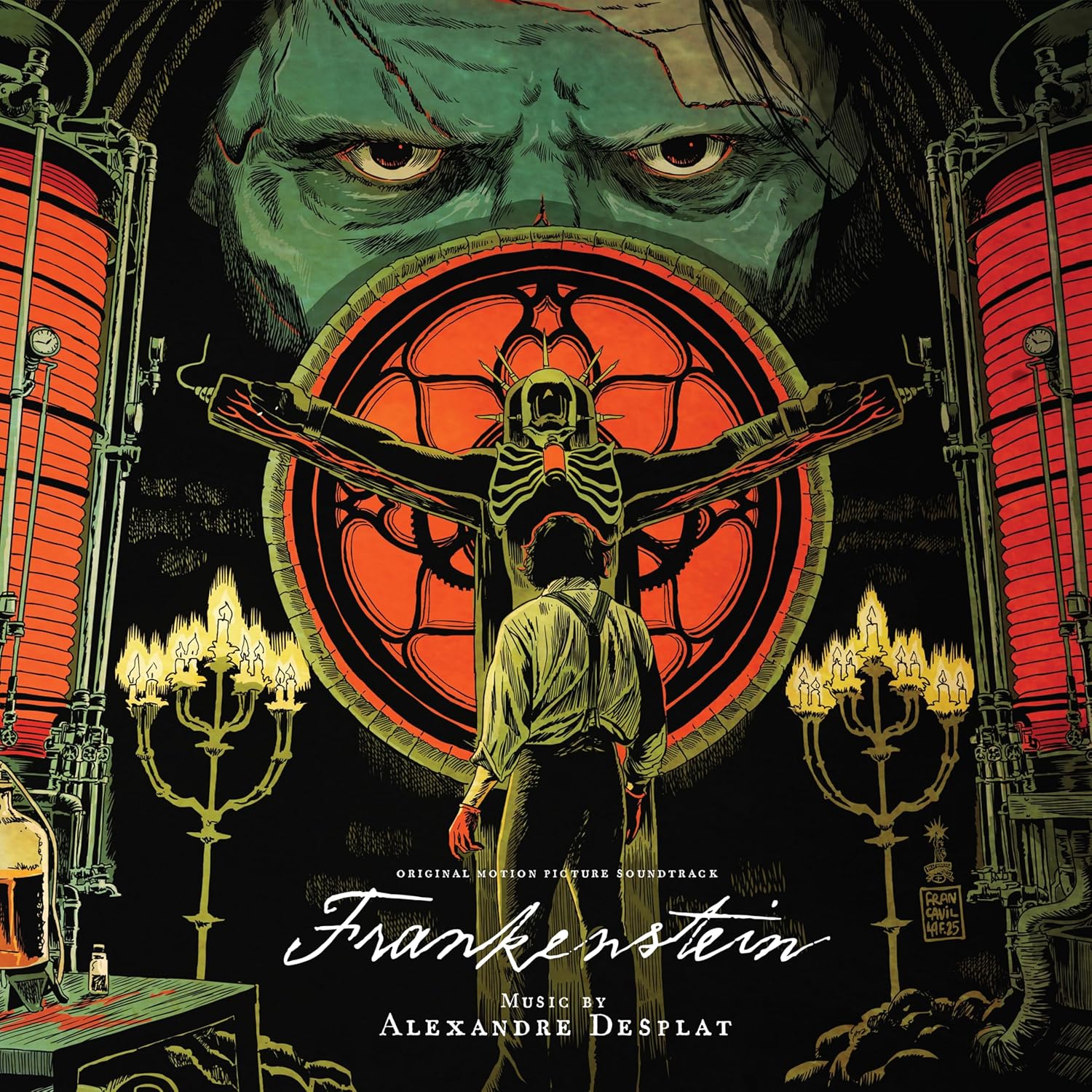
內容簡介 限量版紅白潑墨首版彩膠,僅發行 6000 張。自1818年出版以來,Mary Shelley 的開創性小說《科學怪人》已被無數次改編成電影,並由此誕生了一些傑出的電影配樂。Guillermo del Toro 執導的《科學怪人 Frankenstein》是最新一部,而 Alexandre Desplat 的配樂堪稱完美之作。繼 2017 年的《水底情深 The Shape of Water》和 2022 年的《木偶奇遇記 Pinocchio》之後,這是兩人的第三次合作。他們再次聯手,創作出融合優美抒情和深沉情感的震撼人心的配樂,淋漓盡致地展現了 Mary Shelley 經典故事的奇幻與悲劇。Alexandre Desplat 的配樂在開頭便將觀眾帶入 del Toro 和 Shelley 筆下的世界,其中一段令人難以忘懷的七音符主題,正是真正的反派 Victor Frankenstein 的化身。伴隨著幽靈般的女聲合唱和低沉的電子脈動,故事本身固有的哥德式風格以及生死主題得以展現,而這脈動則象徵著 Victor 將用來創造怪物的強大力量。Eldbjørg Hemsing 的小提琴獨奏為我們呈現了一系列優美的音色,從自然之美過渡到憂鬱之美。同時,Desplat 為 Victor 創作的音樂既令人著迷又充滿力量,一段近乎狂喜的華爾茲為 Victor 那血肉橫生的實驗的構建過程譜寫樂章。怪物的誕生被處理成對以往改編的顛覆,其抒情而探索的基調溫柔細膩,如同嬰兒的降生。一個反覆出現並不斷變奏的四音符動機代表著怪物本身,由撥弦樂器輕柔地演奏,並以鋼琴獨奏作為對位。然而,最初明亮而充滿疑問的基調隨著怪物按照 Victor 的要求體驗生活而轉變,怪物的悲劇以及故事本身也逐漸清晰起來。Alexandre Desplat 的配樂也隨之轉入深沉的憂鬱,創造者和被創造者都墜入了各自的煉獄,但少了些憤怒,多了些反思和內省,卻也因此更具感染力。 《科學怪人》以主題的輝煌再現結尾,充分展現了 Alexandre Desplat 的才華,以及 Guillermo del Toro 和 Mary Shelley 的靈感。這部作品足以與之前的音樂版本並駕齊驅,也是 Guillermo del Toro 和 Alexandre Desplat 持續合作的另一個進化。華麗而深邃,《科學怪人》遠不止各部分的簡單相加。— — Charlie BrigdenLimited edition white and red splatter retail first pressing of 6,000 units Since its publication in 1818, Mary Shelley’s groundbreaking novel Frankenstein has borne a seemingly infinite number of cinematic versions, and from that, some exceptional film music. Guillermo del Toro’s Frankenstein is the latest, and Alexandre Desplat’s score is the perfect accompaniment. In their third collaboration, following 2017’s The Shape of Water and 2022’s Pinocchio, the pair have conjured an electrifying mix of beautiful lyricism and deep emotions, conveying the wonder and tragedy of Shelley’s classic tale. Desplat’s score instantly evokes del Toro and Shelley’s world in the opening, which introduces the hauntingly beautiful seven-note motif for the real antagonist, Victor Frankenstein. This is accompanied by ghostly female choral voices and a low electronic pulsing, resulting in a representation of the inherent Gothic nature of the story and the themes of life and death, with the pulsing serving as a shorthand for the power that Victor will use to bring his creature into existence. Eldbjørg Hemsing, on solo violin, gives us a range of gorgeous tones that modulate from the beauty of nature to the beauty of melancholy. At the same time, Desplat writes music for Victor’s creation that is surprisingly enchanting as well as forceful, with an almost euphoric waltz scoring the building of Victor’s gruesome experiment, with flesh and sinew abound. The birth of the creature is treated as a subversion of previous adaptations, with a lyrical and searching tone that is tender and delicate, like the birth of a child. A four-note motif that repeats with variations represents the creature itself, played tenderly on plucked strings with solo piano as counterpoint. However, that initially bright and questioning tone shifts as the creature experiences its life as Victor demands, and the tragedy of the creature and the story come into focus. Desplat’s score transitions into a deeply melancholy mood as both creator and creation descend into their own personal hell, albeit with less fury and more reflection and introspection, with a true emotional resonance. Frankenstein ends with a glorious reprisal of its themes, a showcase of Alexandre Desplat’s talent and the inspiration of Guillermo Del Toro and Mary Shelley. It’s a work that stands proudly alongside previous musical iterations and is another evolution in the ongoing collaboration between Del Toro and Desplat. Gorgeous and thoughtful, Frankenstein is much more than just the sum of its parts. - Charlie BrigdenTracklistA1. FrankensteinA2. ExplosionA3. Victor's TaleA4. Burning AngelA5. Mother DiesA6. William And FatherA7. LectureA8. Meet HarlanderB1. ElizabethB2. The CastleB3. SymmetryB4. Body BuildingB5. The TowerC1. AwakeningC2. Everything Is NewC3. Elizabeth Meets The CreatureC4. Floating LeafC5. FireC6. Creature's TaleC7. HuntersC8. Family LifeD1. A FriendD2. RecollectionD3. A Good ManD4. A Merciless LifeD5. ConfrontationD6. Laying To RestD7. ForgivenessD8. Eternity