Facets of Chinese Painting and Calligraphy
| 作者 | 蘇碧懿 (Peggy Pikyee Kotewal) |
|---|---|
| 出版社 | 聯合出版有限公司 |
| 商品描述 | 源流與析賞: 穆廬收藏中國書畫:【核心賣點】精品跨度八百年:香港收藏家穆廬所藏中國書畫,內容涵蓋公元十二世紀以至近現代書畫家作品,尤以明、清時期為主,年代最早為 |
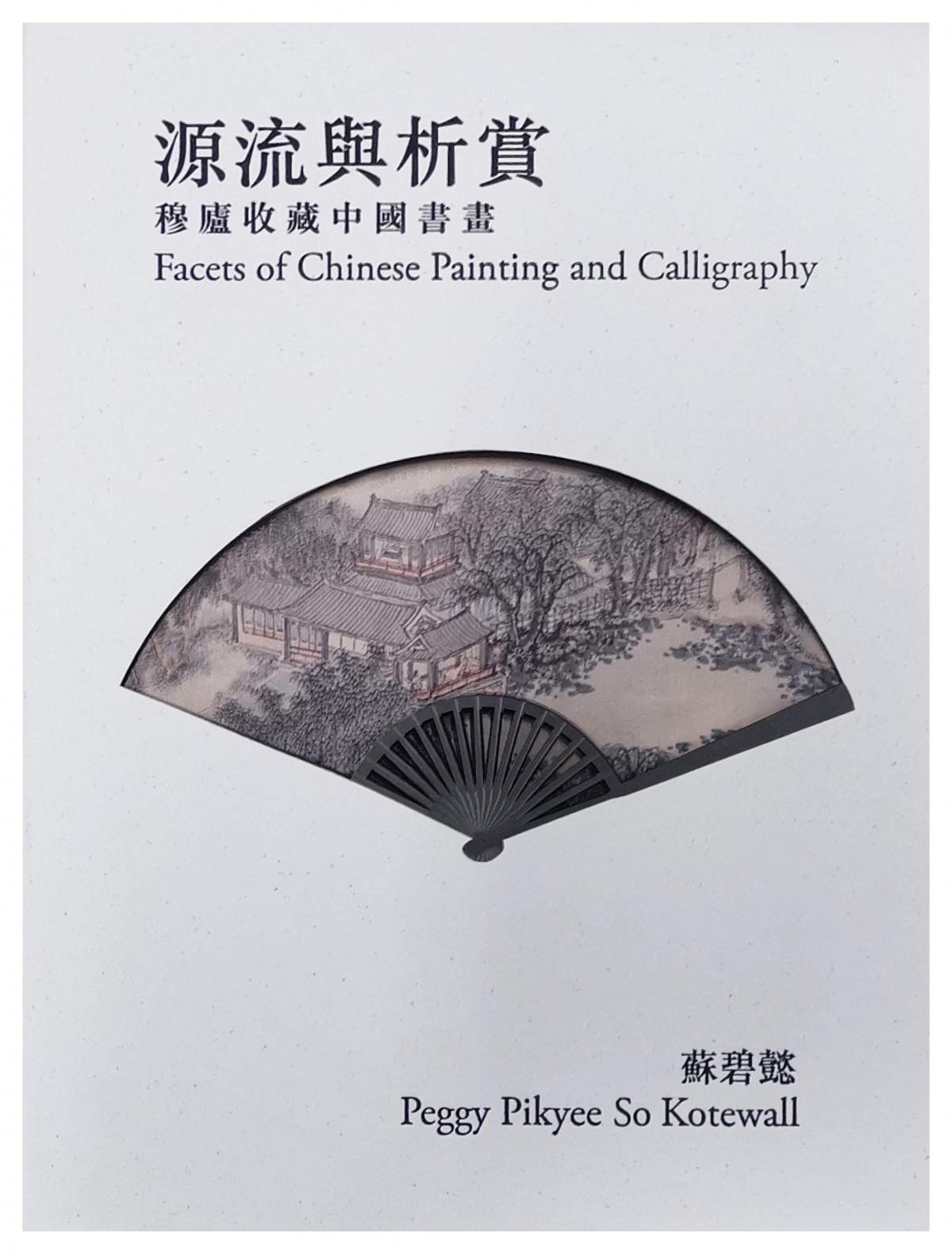
| 作者 | 蘇碧懿 (Peggy Pikyee Kotewal) |
|---|---|
| 出版社 | 聯合出版有限公司 |
| 商品描述 | 源流與析賞: 穆廬收藏中國書畫:【核心賣點】精品跨度八百年:香港收藏家穆廬所藏中國書畫,內容涵蓋公元十二世紀以至近現代書畫家作品,尤以明、清時期為主,年代最早為 |
內容簡介 【核心賣點】 精品跨度八百年:香港收藏家穆廬所藏中國書畫,內容涵蓋公元十二世紀以至近現代書畫家作品,尤以明、清時期為主,年代最早為南宋紹興朝士大夫劉岑,最晚包括二十世紀畫壇巨匠黃賓虹、吳湖帆、溥心畬、李可染諸人,引領讀者進入書畫藝術殿堂。 六十位書畫大家:本書涵蓋六十多位近現代書畫家作品,聲名顯赫者如文徵明、董其昌、王鐸、查士標、石濤、王原祁、鄭板橋、伊秉綬、何紹基、任伯年及吳昌碩等,皆為書畫史上舉足輕重的人物。 訪尋書畫三十年:作者熱愛中國藝術,是次出版之作品搜集歷時三十多年,過程精挑細選,力求鑑偽存真。1980至1990年代間,作者參加佳士得拍賣行擔任義工多年,親身接觸大量書畫文物,在學問方面建立了紮實基礎。1999年取得香港大學藝術史博士學位後,曾在香港大學及香港中文大學藝術系任教。 三百頁圖文並茂:書中作者對每件藏品加以深入詮釋,其文字優美易懂,務求通過簡明清晰的語言,揭示隱藏於背後的意趣與美感,同時指出它們在美術發展史上的意義。全書配以精美圖版,盡可能展示原作的面貌,圖文並茂地引領讀者進入無限廣闊精神境界。 書籍裝幀力求完美:本書採用瑞士釘裝(Swiss binding),特度大開度八開精裝書冊,讓讀者可完全展開書籍,180度欣賞書畫。布包封面以厚咭版鐳射雕刻出扇子的形狀,透過扇窗展現晚明陳煥《江村墅圖卷》蘇州江村私人園林之景。內文採用進口意大利紙,高度還原書畫原貌。更特設三組大拉頁,讀者可拉開閱讀詩卷圖卷,沉浸在古書畫氣氛當中,值得珍藏。【一句話推介】香港收藏家蘊釀三十載 精選輯錄畫壇巨匠精品【內容簡介】香港收藏家穆廬所藏中國書畫,內容涵蓋公元十二世紀以至近現代書畫家六十多人的作品。年代最早為南宋紹興朝士大夫劉岑,最晚包括二十世紀畫壇巨匠黃賓虹、吳湖帆、溥心畬、李可染諸人。其中以明、清時期為主,聲名顯赫者如文徵明、董其昌、王鐸、查士標、石濤、王原祁、鄭板橋、伊秉綬、何紹基、任伯年、吳昌碩等,皆書畫史上舉足輕重的人物,時代跨度約八百年。作品搜集歷時三十多年,過程精挑細選,力求鑑偽存真。書畫歷代形式多樣、派別繁多。本書作者對每件藏品加以深入詮釋,務求通過簡明清晰的語言,揭示隱藏於背後的意趣與美感,同時指出它們在美術發展史上的意義。全書配以精美圖版,盡可能展示原作的面貌,圖文並茂地引領讀者進入無限廣闊精神境界。
作者介紹 作者簡介蘇碧懿蘇碧懿熱愛中國藝術,1980 至1990 年代間,參加佳士得拍賣行擔任義工,親身接觸大量書畫文物,在學問方面建立了紮實基礎。1999 年取得香港大學藝術史博士學位後,曾在香港大學及香港中文大學藝術系任教,以其所學回饋社會。
產品目錄 前言 楊鐵樑 14序 蘇碧懿 16中國歷朝及帝王統治年表 18圖錄1. 南宋的一封書札劉岑《燕坐帖》 202. 明中業蘇軾書體憶劉邦陳沂《行書歌風臺詩卷》 243. 浙派的大幅寫意蔣嵩《聽瀑圖軸》 284. 文徵明晚年行書詩卷文徵明《行書紀遊湖山詩卷》 325. 金陵的幻變漁村山景魏之璜《千壑競秀山水圖卷》 346. 董其昌綾上林米芾董其昌《臨米蔡書卷》 367. 晚明蘇州江村的一個私人園林及其家族的記載陳煥《江村墅圖卷》 448. 王鐸宜抒個性的草書王鐸《草書投野鶴詩六首卷》 519. 清初遺民、復社社友為蘇州 “桃花塢竹圃” 的李彬繪畫題咏明末諸家《山水清逸圖冊》 5410. 文人墨竹的傳統戴明說《竹石圖軸》 6211. 清初仿沈周的山水法祁豸佳《山水圖軸》 6612. 青綠山水及其形式化趙澄《仿古山水圖冊》 7013. 淺絳山水裏的文人隱逸理想劉度(款)《山水圖冊》 7814. 清疏秀逸的新安派查士標《山水圖冊》 8215. 清初變格書法中的剛陽硬倔法若真《行書杜工部春宿左省詩軸》 8816. 江西畫派羅牧《書法山水圖卷》 9217. 四僧之一石濤《荷花屏軸》 9618. 康熙皇帝推崇的董其昌書體查昇《行書陸放翁書興詩聯句軸》 10219. 清初金陵地區的畫風王概《山居清話扇面》 10620. 清初四王之一王原祁《仿大痴山水圖軸》 11021. 王原祁族弟王昱《秋山圖軸》 11622. 王原祁曾孫王宸《山水圖軸》 12023. 十八世紀揚州畫派開拓的新領域鄭燮《書畫冊》 12224. 鎮江地區的京江畫派a. 潘恭壽《米家山水圖軸》 128b. 張崟《山水圖軸》 13025. 浙西兩高士—方薫、奚岡a. 方薫《賞秋問道圖卷》 132b. 奚岡《草書沈石田題牡丹詩軸》 13426. 沿襲帖學的同時,碑學昌興—伊秉綬的隸書伊秉綬《隸書五言聯軸》 13627. 嘉杜年間以細柔見勝的錢杜錢杜《倣趙文度雨後秋泉圖軸》 14028. 家族思親—吳湖帆高外祖父韓崇的肖像黃均《白雲無盡圖冊》 14229. 花鳥畫至十九世紀初的演變a. 江介《墨梅圖軸》 152b. 江介《柏菊延齡圖軸》 156c. 姚元之《芙蓉圖軸》 158d. 計芬《歲朝圖軸》 16030.十九世紀前期文人畫家—湯貽汾湯貽汾《寒窗讀易圖軸》 16231. 鍾馗賞月翁雒《鍾馗賞月圖軸》 16632. 廣東畫家筆下的白描羅漢圖蘇六朋《白描羅漢扇面》 17233. 十九世紀後期碑學主宰書壇的楹聯a. 何紹基《行書七言聯軸》 176b. 沈曾植《行書七言聯軸》 17934. 海派初期—類似木刻圖譜之公孫大娘舞劍像任熊《公孫大娘之西河劍器圖軸》 18235. 晚清江南一羣文人的集體交流吳穀祥《煙雲供養圖冊》 18836. 晚清師法傳統的四季山水圖軸顧澐《四季山水》 20237. 亂頭粗布的海派畫蒲華《谿山真意圖軸》 20838. 動物的寫照任頤《松鼠圖》 21239. 惲壽平的常州派花鳥畫由江南被帶到嶺南—嶺南派a. 孟覲乙《荷畔鴛鴦圖軸》 216b. 居廉《花卉草蟲圖冊》 220c. 居廉《梅花圖冊》 22440. 富有金石味的花卉圖吳昌碩《玉蘭圖軸》 23041. 民國初北京文人書畫家—陳衡恪陳衡恪《薔薇芭蕉梅花扇》 23442. 活躍的上海畫壇a. 吳滔《山水冊》 238b. 陳半丁《清荷圖軸》 24243. 民國初期蘇州的一幅《蓮社圖》顧麟士《蓮社圖軸》 24444. 黃賓虹筆墨的變格a. 黃賓虹《夏日六橋遊圖軸》 246b. 黃賓虹《仿馬遠山水圖軸》 248c. 黃賓虹《寒冬山水圖軸》 250d. 黃賓虹《會稽山水圖軸》 252e. 黃賓虹《設色山水圖》 254f. 黃賓虹《花卉書法扇面》 25645. 舊王孫的詩文書畫a. 溥儒《山亭秋意圖》 260b. 溥儒《花卉草蟲圖扇》 26246. 帖學書法在二十世紀沈尹默《行書元人五言詩扇面》 26447. 二十世紀米友仁的演繹吳湖帆《行書詞一首及臨米友仁雲山圖》 26848. 二十世紀對繪畫的衝擊:傳統筆墨下的西方野獸主義丁衍庸《牽牛花與蜻蜓圖軸》 27249. 佛教的追隨—觀音像黃般若《觀音像軸》 27650. 李可染的人物畫李可染《尋梅圖軸》 280參考文獻 286FOREWORD Ti-liang Yang 15PREFACE Pikyee Kotewall 17DYNASTIES AND REIGN PERIODS OF EMPERORS 18CATALOGUE1. A LETTER IN SOUTHERN SONGLiu Cen, Letter to Zi Zheng in Running and Cursive Script Calligraphy 202. MID-MING SU SHI STYLED CALLIGRAPHY IN ODE TO LIU BANGChen Yi, Poem in Running Script Calligraphy 243. XIEYI LANDSCAPE OF THE ZHE SCHOOLJiang Song, Reading in the Mountains 284. WEN ZHENGMING’S RUNNING CALLIGRAPHYWen Zhengming, Poems in Running Script Calligraphy 325. DRAMATIC VIEWS OF JINLINGWei Zhihuang, Scenery of the Jinling Region 346. DONG QICHANG’S CALLIGRAPHY ON SILKDong Qichang, Calligraphy after Mi Fu and Cai Xiang 367. HONOURING FAMILY AND FRIENDS - A PRIVATE GARDEN IN LATE MING SUZHOUChen Huan, A Reclusive Garden Home 448. WANG DUO’S FREE-SPIRITED CALLIGRAPHY IN CURSIVE SCRIPTWang Duo, Poems Dedicated to Yehe in Cursive Script Calligraphy 519. WORKS OF A GROUP OF LATE MING YIMIN ARTISTS ASSOCIATED WITH FUSHEVarious Artists, Landscapes, Figures and Bamboo 5410. A TRADITION OF SCHOLAR PAINTING – INK BAMBOODai Mingyue, Bamboo and Rocks 62 11. EARLY QING INTERPRETATIONS OF SHEN ZHOU’S LANDSCAPEQi Zhijia, Landscape 6612. AN INNOVATIVE STYLE OF BLUE-GREEN LANDSCAPE IN THE 17TH CENTURYZhao Cheng, Stylized Landscapes after Ancient Masters 7013. IDEALIZED LIFESTYLES OF SCHOLARSLiu Du (attributed), Landscapes 7814. LANDSCAPES IN XIN’AN STYLEZha Shibiao, Sparce Landscapes 8215. A NEW WAVE OF BOLD AND FORCEFUL CALLIGRAPHY IN EARLY QINGFa Ruozhen, Poem of Du Fu in Running Script Calligraphy 8816. JIANGXI SCHOOL OF PAINTINGLuo Mu, Calligraphy and Landscape 9217. ONE OF THE FOUR MONKSShi Tao, Lotus 9618. EMPEROR KANGXI FAVOURING THE CALLIGRAPHIC STYLE OF DONG QICHANGZha Sheng, Poem of Lu You in Running Script Calligraphy 10219. PAINTING STYLE OF THE JINLING REGION IN EARLY QINGWang Gai, Settlement by the Lake 10620. ONE OF THE FOUR WANGSWang Yuanqi, Landscape after the Style of Huang Gongwang 11021. A CLANSMAN OF WANG YUANQIWang Yu, Autumn Landscape 11622. A GREAT-GRANDSON OF WANG YUANQIWang Chen, Summer Landscape 12023. YANGZHOU SCHOOL OF PAINTINGZheng Xie, Album of Painting and Calligraphy 12224. JINGJIANG SCHOOL OF PAINTING IN ZHENJIANGa. Pan Gongshou, Landscape in the Mi Style 128b. Zhang Yin, Misty Mountains 130 25. TWO MASTERS OF ZHEXIa. Fang Xun, An Autumn Excursion 132b. Xi Gang, Poem of Shen Zhou in Cursive Script Calligraphy 13426. THE GROWING INFLUENCE OF BEIXUE IN CALLIGRAPHYDURING THE 18TH AND 19TH CENTURIESYi Bingshou, A Five-Character Couplet in Clerical Script Calligraphy 13627. A SOFT AND METICULOUS STYLE OF PAINTING IN THE JIAQING ANDDAOGUANG ERASQian Du, Autumn Landscape after Rain 14028. OF A FAMILY MEMBERHuang Jun, White Clouds Encircling Mountain Peaks 14229. THE DEVELOPMENT OF BIRD-FLOWER PAINTING UP TO THE 19TH CENTURYa. Jiang Jie, Ink Plum Blossoms 152b. Jiang Jie, Cypress and Chrysanthemum 156c. Yao Yuanzhi, Hibiscus 158d. Ji Fen, Auspicious Plants and Rocks 160 30. A SCHOLAR PAINTER IN THE FIRST HALF OF THE 19TH CENTURYTang Yifen, Studying Alone in the Cold 16231. PORTRAIT OF ZHONG KUIWeng Luo, A Poetic Zhong Kui Ponders under the Moonlight 16632. THE DEPICTION OF LUOHANS IN THE BAIMIAO STYLEBY A GUANGDONG PAINTERSu Liupeng, Luohans 17233. THE PREDOMINANCE OF BEIXUE IN COUPLETS OF THE 19TH CENTURYa. He Shaoji, Seven-character Couplet in Running Script Calligraphy 176b. Shen Zengzhi, Seven-character Couplet in Running Script Calligraphy 17934. THE SHANGHAI SCHOOL OF PAINTINGRen Xiong, Madam Gongsun Practising the West River Swordplay 18235. CAMARADERIE AMONGST A GROUP OF JIANGNAN SCHOLARS IN LATE QINGWu Guxiang, Living in Reverie 18836. TRADITIONAL DEPICTIONS OF THE FOUR SEASONS IN LATE QINGGu Yun, Four Seasons Landscapes 20237. AN UNKEMPT STYLE OF THE SHANGHAI SCHOOLPu Hua, A Rampant Landscape 20838. LITTLE ANIMALSRen Yi, Two Squirrels 21239. INTRODUCING YUN SHOUPING’S ART TO LINGNANa. Meng Jinyi, A Pair of Mandarin Ducks Swimming in the Lotus Pond 216b. Ju Lian, Of Flowers and Insects 220c. Ju Lian, Plum Blossoms 22440. HOW JINSHI CALLIGRAPHY INFLUENCED FLOWER PAINTINGWu Changshuo, Magnolia in Bloom 230
| 書名 / | 源流與析賞: 穆廬收藏中國書畫 |
|---|---|
| 作者 / | 蘇碧懿 (Peggy Pikyee Kotewal) |
| 簡介 / | 源流與析賞: 穆廬收藏中國書畫:【核心賣點】精品跨度八百年:香港收藏家穆廬所藏中國書畫,內容涵蓋公元十二世紀以至近現代書畫家作品,尤以明、清時期為主,年代最早為 |
| 出版社 / | 聯合出版有限公司 |
| ISBN13 / | 9789620746901 |
| ISBN10 / | |
| EAN / | 9789620746901 |
| 誠品26碼 / | 2682612808007 |
| 頁數 / | 306 |
| 裝訂 / | H:精裝 |
| 語言 / | 1:中文 繁體 |
| 尺寸 / | 29.8x22.2 |
| 級別 / | N:無 |
導讀 : 前言 楊鐵樑
黃賓虹論藝,主張:“渾厚華滋”,這四個字正好用來比喻中國文化之特色,博大而精深,永遠令人神往。徜徉於探索路上,欣逢同好,當引為良朋知己。我與碧懿相識達半個世紀,跟其夫婿羅正威一家更屬世交,平日常相往來,從碧懿身上見證了一位對知識渴求,且好學不倦者的故事。碧懿熱愛中國藝術,當年與正威共偕連理之後,除克盡照顧家庭、相夫教子的本份而外,還以過人的魄力和勤奮,不斷求學進修,未嘗稍懈。1980 至1990 年代間,參加佳士得拍賣行擔任義工多年,親身接觸大量書畫文物,在學問方面建立了紮實基礎。多年來又遍遊世界各地大小博物館,飽覽歷代名跡,使眼界開闊。她追隨過多位名師,專研傳統美術奧秘,對於近代國畫大師黃賓虹尤深有研究。1999 年取得香港大學藝術史博士學位後,曾在香港大學及香港中文大學藝術系任教,以其所學回饋社會。
《論語》云:“知之者不如好之者,好之者不如樂之者。”將文物的熱情提昇為蒐藏之樂,我自己深有體會。碧懿的書畫收藏歷史凡三十多載,得珍品數量盈百,年代涵蓋宋、明、清以至近代名家。但她並不視藏品為財富資產,而作為研究資料,對每件作品的歷史背景深入探討,且樂在其中。古代書畫不僅僅是藝術品,其中蘊含的文化內涵,往往豐富得難以想像。碧懿積長年歲月之功,終撰述成洋洋十萬言的著作,堪稱偉然鉅觀,此番毅力實令人讚歎。
可喜的是,這部圖文並茂的書冊,並不追求高深學問的包裝,而採取顯淺平白的表達方式,以期引領更多讀者進入書畫藝術的堂奧,其對中國文化推廣普及的貢獻,實不容置疑。值此書出版之際,我謹寫下幾句淺見,同時向碧懿以及所有愛好中國文化的同道送上衷心祝福。
A free translation and abridgement of the Foreword by
Sir Ti-liang Yang, GBM
When Huang Binhong discussed painting, he often emphasized“渾厚華滋”, the vital qualities of depth and volume, luxuriance and integration. This could very well describe the breadth and richness of Chinese culture and art, with its numerous varieties.
It is often a pleasant experience to meet with like-minded friends who share the same interests in learning and enjoying the many splendours of Chinese art. Pikyee’s passion about Chinese painting and calligraphy goes back some forty years. I have known her and her husband Robert and his family for even longer. After her marriage to Robert, apart from being the excellent mother, housewife and efficient manager at home, Pikyee was able to devote herself to her studies and research with diligence and perseverance. Her enthusiasm can be quite infectious.
In the 80’s and 90’s, Pikyee worked as a volunteer in Christie’s, the auction house, participating, and being involved, in many auctions. These hands-on activities exposed her to a variety of Chinese art, painting and calligraphy, and enabled her to acquire firm practical foundations. Later she spent years studying Chinese art history, connoisseurship, classical Chinese and calligraphy with well-known scholars and teachers in Hong Kong and China. Ever so eager to see more paintings and to increase her understanding of the subject, she visited museums worldwide, viewing numerous exhibitions and attending seminars, which helped to develop further her insights and appreciation into the many facets of Chinese painting and calligraphy.
Pikyee specialized in the work of Huang Binhong which became the subject of her doctoral thesis. I was on the stage welcoming Pikyee when her doctorate was conferred by the University of Hong Kong. Thereafter, she taught periodically at the University of Hong Kong and at the Chinese University of Hong Kong as a way of sharing what she had learnt over the years.
The Analects contain this well-known aphorism,“知之者不如好之者,好之者不如樂之者”. This might loosely be translated as “one who knows his subject pales in comparison to one who is devoted to it, and one who is devoted to his subject in turn is inferior to one who delights in it.” As someone who has strong interest in matters Chinese myself, I understand the extra pleasure in moving onto the next plane from appreciation to building a collection which Pikyee started more than thirty years ago. Her fine assemblage ranges from the Song to the Ming and Qing dynasties and thereafter. She has chosen to use each piece, some very rare, to describe a certain theme in Chinese painting history. The combination of pictures, annotations plus writing, of and about the pieces, their creators, and their background, allow readers to form some idea of the diversity and development of Chinese painting throughout the dynasties. The presentation is done clearly and concisely, and the deep scholarship involved worn lightly. This approach is far more likely to encourage others to embark on similar journeys of appreciation and understanding.
Pikyee does not view collecting as a financial venture, but as objects of study and appreciation. I believe this work, which I have read with pleasure and by which I have been enlightened, is a signal contribution to understanding and enjoying Chinese art and its evolution and development.
I write these words in appreciation of Pikyee’s study and to express my wish that others may benefit from this carefully researched, balanced and well written work.
//
序
在中國傳統書法和繪畫裏,書畫皆同源。作者們都是採用千變萬化而又富有抒發性的筆墨繪寫,意圖能達到“氣韻生動”的效果。畫中所題的詩詞文賦注入書畫家們的個人思想情意,豐富作品的內涵,增添不少魅力。古人有云:“詩中有畫,畫中有詩”。而蓋在書畫上的印章篆刻富有文學性,亦同時注重趣味,在鐫刻的書法線條及經營位置方面非常考究,並發展成一個獨立的藝術形式。“詩書畫印”的完美結合,不但帶給觀者無限的美感,亦同時表露出作者們深厚的功底和個人修養。
每一件書畫作品,除了展示出不同的風格,還讓我們可以在悠悠的書畫史中追遡其根源,了解多一些創作的時代背景、不斷變化的思潮及文化氛圍。
書畫歷代形式多樣、派別繁多。本書試圖將明清以來中國書畫大概的發展過程,通過不同類別的作品,深入淺出地引說出來。至於怎樣欣賞書畫,可說是一件難事,亦可說是一件易事。易事是完全依賴直覺,即觀者和書畫藝術直接的溝通。難事是需要經過歲月的濡染熏陶、細心的研究和累積的經驗,不但深諳書畫史、懂得有關的文學知識,還須擁有紮實的鑑賞能力。本人沉迷中國書畫近四十年,一直瘋狂地追求其中的美,但不懂之處,猶如汪洋大海。作此書是希望可以和大家分享一些中國書畫美妙無窮的地方。
本人銘記指導我多年的恩師萬青力先生、黃仲方先生、周汝式教授、何叔惠老師、時學顏教授。他們數十載裏一直教導和培養我對中國藝術及書畫的認識和收藏,令過程中充滿挑戰和歡樂。本人希望本書能代表我對他們的感謝和愛戴。本人更衷心感謝楊鐵樑爵士的鼓勵和前言。我亦非常感謝李志綱博士寶貴的意見及細心的校對,吳玉蘭博士語文上的幫助,以及馮小恩小姐在美術設計方面的巧思。外子羅正威更是一直給予我無限的支持和鼓舞。惟文中錯漏尚多,只屬個人淺見。末學膚受,承蒙賜教。
2023 年1 月26 日在充滿陽光的夏日
蘇碧懿序於香江穆廬
Classical Chinese painting and calligraphy have their common origin in the use of the brush and ink. Painters and calligraphers deploy the expressive and multifarious use of the brush and ink, aspiring to infuse into their works the spirit resonance (氣韻生動) , which is the quality prized throughout the ages in the art. The inscriptions of poems and literary writings on paintings and works of calligraphy enrich further their content and give them extra artistic dimensions. As is said in a well-known aphorism, “there is painting in poetry, and poetry in painting.” However, the use of seals is also another important feature. Though literary in nature, seals can also serve a playful role and be full of delight. Seal carving, an independent art form, emphasizes calligraphic lines and aesthetic placement of characters. The harmonious combination of poetry, calligraphy, painting and seal in painting and calligraphy, not only nourishes the spirit and defines the changing concept of beauty in different times, but also reveals the accomplishments and self-cultivation of individual painters and calligraphers.
In the long history of traditional Chinese painting and calligraphy, there are many different forms and schools of expression. Different categories, besides displaying distinctive styles, have their own artistic origins. It is important to understand their historical background and the prevailing artistic milieu in which they were created. I have tried, in this work, to trace briefly the development of Chinese painting and calligraphy from the Ming through to the Qing dynasty. The path I have taken is to use individual pieces of work to illustrate the different themes and strands in its development throughout the dynasties. The appreciation of Chinese painting and calligraphy has been considered a difficult skill to acquire. Those with the right instincts and interest can simply go with the flow in appreciating its visual beauty. The difficult part is how to get to the next plane to develop a deeper knowledge of the pieces. Besides being adept in its history, one has to be familiar with the skills involved in painting and calligraphy, understand the literary connotations involved, acquire certain degree of connoisseurship in authenticating, and has a firm grip of the works’ artistic and intrinsic value.
I have spent close to forty years pursuing the beauty of Chinese painting and calligraphy and in learning how to fully appreciate them. I started doing the research which eventually became this publication many years ago. My main purpose is to share what I have learnt over the years with those with such a common interest. I also hope that those who are interested, but without the necessary background of Chinese history and culture, can add to their arsenal of appreciative faculties by seeing how one interested individual has gone about her journey.
I am deeply indebted to my esteemed teachers, Professor Wan Qingli, Mr. Harold Wong, Professor Chou Ju-hsi, Mr. Ho Shu-hui and Professor Shih Hsio-yen. They have taught me so much over the years and filled my journey, in learning and collecting Chinese art and painting, with such happiness and excitement. I hope this book can reflect, to a very limited degree, my gratitude and affection to them. I am immensely grateful to Sir Ti-liang Yang for his encouragement and Foreword. My gratitude also goes to Dr. Lee Chi-Kwong, for his many suggestions about content and format, to Dr. Laura Ng for her help in matters of style and syntax, and to Ms Feng Xiaoen for her assistance in the layout and design of the book. My husband, Robert, in his indulgent ways, has given me the most wonderful support and encouragement throughout the years.
Such errors and omissions which remain are my own and I would welcome suggestions and comments from those who share this interest.
Pikyee Kotewall at Mulu in Hong Kong
On a sunny day, 26th of January, 2023
最佳賣點 : 香港收藏家蘊釀三十載
精選輯錄畫壇巨匠精品
精品跨度八百年 精品跨度八百年 訪尋書畫三十年 三百頁圖文並茂 書籍裝幀力求完美