防詐3要訣:不聽信、不操作、掛斷電話


79
650513
查詢門市庫存
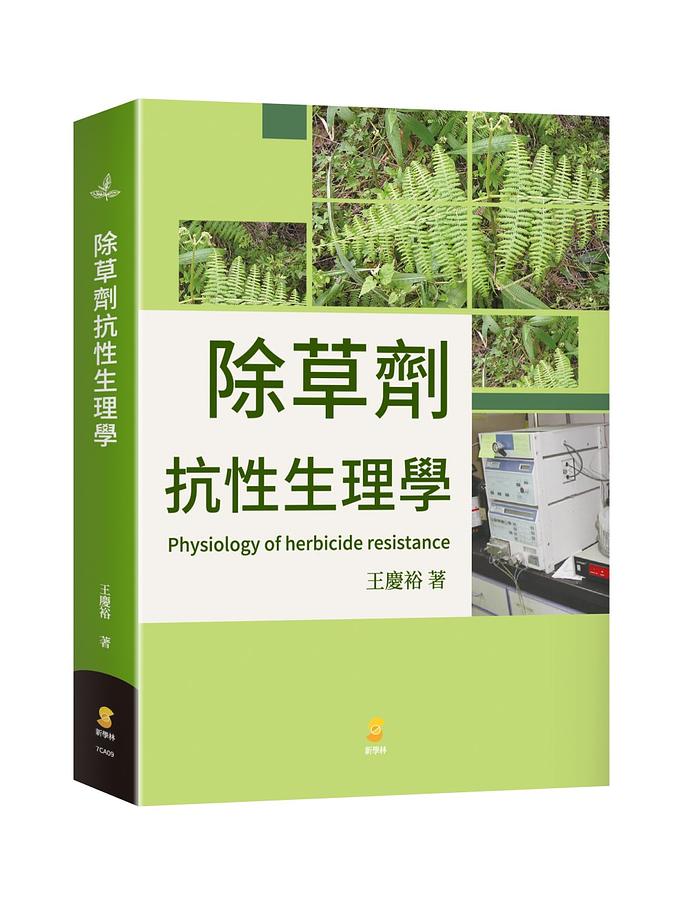
「除草劑生理學」已是臺灣國內各農學相關大學研究所皆有開設之重要課程。由於化學除草劑是臺灣國內自1970年代以來,在作物生產上極為重要之農用藥劑,其使用量超過殺蟲劑與殺菌劑,居三大農藥之首,因此從事作物生產與植物保護者對於除草劑除了需有基本認識外,更需進一步了解除草劑發揮除草效果之生理基礎。
內容簡介
「除草劑生理學」已是臺灣國內各農學相關大學研究所皆有開設之重要課程。由於化學除草劑是臺灣國內自1970年代以來,在作物生產上極為重要之農用藥劑,其使用量超過殺蟲劑與殺菌劑,居三大農藥之首,因此從事作物生產與植物保護者對於除草劑除了需有基本認識外,更需進一步了解除草劑發揮除草效果之生理基礎。此外,過去因長期而連續性使用特定之化學除草劑,雜草族群也衍生出抗性(或耐性)生物型之問題,想要避免抗性雜草產生,也需要了解除草劑之作用機制、抗性機制及施用方式。
本書內容包含18個章節,詳細介紹除草劑施用後如何到達目標位置、葉面、根部、分離組織及細胞如何吸收除草劑、除草劑如何在植體內部轉運與代謝,以及其不同的作用機制,包括抑制光合作用電子傳遞、影響光合作用之其他反應、經由氧毒害發揮除草劑作用、微管干擾、抑制脂質、核酸與蛋白質、胺基酸合成,更深入說明除草劑與除草劑、協力劑及安全劑之相互作用,以及天然存在可作為除草劑之成分等。隨著分子生物技術發展,再了解除草劑作用之生理機制後,後續深入了解化學性除草劑之抗性機制,相信有助於除草劑抗性基因在作物生產方面之利用。
本書內容包含18個章節,詳細介紹除草劑施用後如何到達目標位置、葉面、根部、分離組織及細胞如何吸收除草劑、除草劑如何在植體內部轉運與代謝,以及其不同的作用機制,包括抑制光合作用電子傳遞、影響光合作用之其他反應、經由氧毒害發揮除草劑作用、微管干擾、抑制脂質、核酸與蛋白質、胺基酸合成,更深入說明除草劑與除草劑、協力劑及安全劑之相互作用,以及天然存在可作為除草劑之成分等。隨著分子生物技術發展,再了解除草劑作用之生理機制後,後續深入了解化學性除草劑之抗性機制,相信有助於除草劑抗性基因在作物生產方面之利用。
產品目錄
推薦序(Recommendation)
自序(Preface)
Chap 01 緒言(Introduction)
Chap 02 除草劑作用簡介(Brief introduction to herbicide action)
2.1 除草劑的作用(Action of herbicides)
2.2 除草劑如何殺死植物(How herbicides kill plants)
2.3 除草劑作用之時間進程(Time course of herbicide action)
2.4 除草劑的選擇性(Herbicide selectivity)
2.5 測試除草劑活性及作用機制(Testing for herbicide activity and mechanism of action)
2.6 除草劑的結構與活性(Structures and activities of herbicides)
Chap 03 除草劑到達目標位置(Reaching the target)
3.1 葉部的截取和滯留(Interception and retention on leaves)
3.2 除草劑飄散(Herbicide drift)
3.3 土壤中除草劑的可利用性(Herbicide availability in soil)
Chap 04 葉面吸收除草劑(Foliar absorption of herbicides)
4.1 植物表皮(Plant cuticle)
4.2 研究除草劑葉面吸收的技術(Techniques for studying foliar absorption of herbicides)
4.3 表皮對除草劑吸收的效應(Cuticular effects on herbicide absorption)
4.4 配方對除草劑吸收的影響(Formulation effects on herbicide absorption)
4.5 環境對除草劑吸收的影響(Environmental effects on herbicide absorption)
Chap 05 根部、分離組織及細胞吸收除草劑(Herbicide absorption by roots, isolated tissues, and plant cells)
5.1 土壤中除草劑之吸收(Herbicides absorption in the soil)
5.2 除草劑吸收進入植物細胞中(Herbicide absorption into plant cells)
5.3 除草劑累積及滯留於細胞中(Herbicide accumulation and retention in cells)
Chap 06 除草劑之轉運(Herbicide translocation)
6.1 研究除草劑轉運的方法(Methods of studying herbicide translocation)
6.2 在韌皮部與木質部之轉運(Translocation in the phloem and xylem)
6.3 除草劑轉運的物理化學(Physicochemical aspects of herbicide translocation)
6.4 除草劑對韌皮部運輸的影響(Herbicide effects on phloem transport)
6.5 除草劑韌皮部轉運最大化的方法(Approaches to maximizing herbicide translocation in phloem)
Chap 07 除草劑之代謝(Herbicide metabolism)
7.1 除草劑分子之轉化(Conversion of herbicide molecules)
7.2 共軛結合(Conjugation)
7.3 終端共軛物的形成和沉積(Terminal conjugate formation and deposition)
Chap 08 抑制光合作用電子傳遞之除草劑(Herbicidal inhibition of photosynthetic electron transport)
8.1 抑制光合作用電子傳遞之除草劑(Herbicides that inhibit photosynthetic electron transport)
8.2 研究除草劑抑制光合作用之方法(Methods of studying herbicidal inhibition of photosynthesis)
8.3 除草劑結合蛋白(Herbicide binding protein)
8.4 突變體之發生與選拔(Occurrence and selection of mutants)
8.5 光合電子傳遞抑制劑的植物毒性效應(Phytotoxic effects of photosynthetic electron transport inhibitors)
Chap 09 影響光合作用之其他除草劑相互作用(Other herbicidal interactions with photosynthesis)
9.1 類胡蘿蔔素生合成抑制劑(Inhibitors of carotenoid biosynthesis)
9.2 未分類的漂白除草劑和多功能漂白(Unclassified bleaching herbicides and multifunctional bleaches)
9.3 在缺乏有色類胡蘿蔔素的情況下進行光漂白(Photobleaching in the absence of colored carotenoids)
9.4 生原紫質的氧化抑制劑(Inhibitors of protoporphyrinogen-oxidase)
Chap 10 氧毒害與除草劑作用(Oxygen toxicity and herbicidal action)
10.1 除草劑干擾光合作用過程中激發能消耗的途徑(Pathways of excitation energy dissipation in disturbed by herbicides photosynthesis)
10.2 氧活化和氧還原的化學和生物化學(Chemistry and biochemistry of oxygen activation and oxygen reduction)
10.3 脂質過氧化(Peroxidation of lipids)
10.4 保護系統(Protective systems)
10.5 誘導褪綠(黃化)之不同類型(Different types of chlorosis induction)
Chap 11 微管干擾劑(Microtubule disruptors)
11.1 微管的組成和功能(Microtubule composition and function)
11.2 微管干擾劑(Microtubule disruptors)
Chap 12 抑制脂質合成之除草劑(Herbicide effects on lipid synthesis)
12.1 抑制乙醯輔酶A 羧化酵素(Inhibition of acetyl-CoA carboxylase)
12.2 芳基丙酸類除草劑與生長素之相互作用(The interactions between auxin and aryl-propanoic acids herbicides)
12.3 抑制極長鏈脂肪酸之延長(Inhibition of elongation of very long chain fatty acid)
12.4 抑制脂肪酸合成之其他機制(Other mechanisms of lipid synthesis inhibition)
12.5 禾草類除草劑和闊葉型除草劑之拮抗作用(Antagonistic effects of graminicides and broadleaf herbicides)
Chap 13 核酸與蛋白質合成抑制劑(Nucleic acid and protein synthesis inhibitors)
13.1 間接效應的例子或未知的機制(Examples of indirect effects or unknown mechanisms)
13.2 直接影響蛋白質或核酸合成的化合物(Compounds directly affect protein or nucleic acid synthesis)
13.3 摘要(Summary)
Chap 14 胺基酸合成抑制劑(Amino acid biosynthesis inhibitors)
14.1 麩醯胺合成的抑制作用(Inhibition of glutamine synthesis)
14.2 芳香族胺基酸合成的抑制作用(Inhibition of aromatic amino acid synthesis)
14.3 支鏈胺基酸合成的抑制作用(Inhibition of branched-chain amino acid synthesis)
14.4 組胺酸合成的抑制作用(Inhibition of histidine synthesis)
14.5 其他胺基酸合成的抑制作用(Inhibition of synthesis of other amino acids)
Chap 15 生長素型除草劑(Herbicides with auxin activity)
15.1 生長素與除草劑構造(Auxin and herbicide structures)
15.2 生長素如何作用(How auxins work)
15.3 生長素及生長素型除草劑之代謝(Metabolism of auxins and auxin herbicides)
15.4 生長素型除草劑之選擇性作用(Selective action of auxin herbicides)
15.5 生長素型除草劑之植物毒害作用(Phytotoxic action of auxin herbicides)
15.6 生長素型除草劑引起植物之生理變化(Physiological changes in plants caused by auxin-type herbicides)
Chap 16 除草劑作用之其他位置(Other sites of herbicide action)
16.1 抑制碳素同化及碳水化合物合成(Inhibition of carbon assimilation and carbohydrate synthesis)
16.2 抑制纖維素合成(Inhibition of cellulose synthesis)
16.3 抑制葉酸合成(Inhibition of folic acid synthesis)
16.4 抑制激勃素合成(Inhibition of gibberellin synthesis)
16.5 抑制木質化及酚類化合物的合成(Inhibition of lignification and phenolic compound synthesis)
16.6 對氮素利用的影響(Effects on nitrogen utilization)
16.7 抑制光合磷酸化作用(Inhibition of photophosphorylation)
16.8 對原生質膜及液胞膜功能的影響(Effects on the functions of plasmalemma and tonoplast)
16.9 多元胺合成(Inhibition of polyamine synthesis)
16.10 對於呼吸作用及碳素分解代謝上之影響(Effects on respiration and catabolic carbon metabolism)
16.11 對於固醇(sterol)合成的影響(Effects on sterol synthesis)
Chap 17 除草劑與除草劑、增效劑及安全劑之相互作用(Herbicide interactions with herbicides, synergists, and safeners)
17.1 除草劑與除草劑的相互作用(Herbicide-herbicide interactions)
17.2 除草劑作用之增效劑(協力劑)(Synergists for herbicidal action)
17.3 除草劑之安全劑(Safeners for herbicides)
Chap 18 天然存在可作為除草劑之成分(Naturally occurring chemicals as herbicides)
18.1 菌類除草劑(mycoherbicides)
18.2 剋他性化學物質(allelochemicals)
參考資料與文獻(Reference and literature cited)
索引(Index)
作者介紹
王慶裕
王慶裕
現職:
國立中興大學農藝學系教授兼農業暨自然資源學院農業試驗場場長
學歷:
國立中興大學農藝學系博士
個人管理網站:
雜草及除草劑研究室、茶作與製茶研究室 http://web.nchu.edu.tw/~wangcylab/
興大農資院農藝系茶園與製茶工廠 http://www.nchu.edu.tw/~NCHUTEA2015/index.htm
臺灣除草劑抗性雜草資料庫 http://web.nchu.edu.tw/~herbicideresist/
經歷:
國立中興大學農藝學系副教授兼農場教學組組長
臺灣省農業試驗所農藝學系約聘技師
省立關西高級農校農場經營科及補校茶業科專任教師
專長:
作物生產、作物生理、除草劑生理、雜草管理、除草劑、除草劑抗性生理、除草劑環境監測、茶作學、製茶學
研究領域:
除草劑抗性生理、雜草管理、除草劑環境監測、除草劑殘留分析、外來植物風險評估、茶樹栽培、製茶技術
規格
誠品貨碼 / 2681931140003
ISBN13 / 9789865222185
ISBN10 / 9865222183
EAN貨碼 / 9789865222185
頁數 / 420
開數 / 16K
注音版 / 否
裝訂 / P:平裝
語言 / 1:中文/繁體
尺寸 / 26X19CM
級別 / N:無
退貨說明
退貨須知:
- 依照消費者保護法的規定,您享有商品貨到次日起七天猶豫期(含例假日)的權益(請注意!猶豫期非試用期),辦理退貨之商品必須是全新狀態(不得有刮傷、破損、受潮)且需完整(包含全部商品、配件、原廠內外包裝、贈品及所有附隨文件或資料的完整性等)。
- 請您以送貨廠商使用之包裝紙箱將退貨商品包裝妥當,若原紙箱已遺失,請另使用其他紙箱包覆於商品原廠包裝之外,切勿直接於原廠包裝上黏貼紙張或書寫文字。若原廠包裝損毀將可能被認定為已逾越檢查商品之必要程度,本公司得依毀損程度扣除回復原狀必要費用(整新費)後退費;請您先確認商品正確、外觀可接受,再行拆封,以免影響您的權利;若為產品瑕疵,本公司接受退貨。
依「通訊交易解除權合理例外情事適用準則」,下列商品不適用七日猶豫期,除產品本身有瑕疵外,不接受退貨:
- 易於腐敗、保存期限較短或解約時即將逾期。(如:生鮮蔬果、乳製品、冷凍冷藏食材、蛋糕)
- 依消費者要求所為之客製化給付。(如:客製印章、鋼筆刻字)
- 報紙、期刊或雜誌。
- 經消費者拆封之影音商品或電腦軟體。
- 非以有形媒介提供之數位內容或一經提供即為完成之線上服務,經消費者事先同意始提供。(如:電子書)
- 已拆封之個人衛生用品。(如:內衣褲、襪類、褲襪、刮鬍刀、除毛刀等貼身用品)
- 國際航空客運服務。
若您退貨時有下列情形,可能被認定已逾越檢查商品之必要程度而須負擔為回復原狀必要費用(整新費),或影響您的退貨權利,請您在拆封前決定是否要退貨:
- 以數位或電磁紀錄形式儲存或著作權相關之商品(包含但不限於CD、VCD、DVD、電腦軟體等) 包裝已拆封者(除運送用之包裝以外)。
- 耗材(包含但不限於墨水匣、碳粉匣、紙張、筆類墨水、清潔劑補充包等)之商品包裝已拆封者(除運送用之包裝以外)。
- 衣飾鞋類/寢具/織品(包含但不限於衣褲、鞋子、襪子、泳裝、床單、被套、填充玩具)或之商品缺件(含購買商品、附件、內外包裝、贈品等)或經剪標或下水或商品有不可回復之髒污或磨損痕跡。
- 食品、美容/保養用品、內衣褲等消耗性或個人衛生用品、商品銷售頁面上特別載明之商品已拆封者(除運送用之包裝外一切包裝、包括但不限於瓶蓋、封口、封膜等接觸商品內容之包裝部分)或已非全新狀態(外觀有刮傷、破損、受潮等)與包裝不完整(缺少商品、附件、原廠外盒、保護袋、配件紙箱、保麗龍、隨貨文件、贈品等)。
- 家電、3C、畫作、電子閱讀器等商品,除商品本身有瑕疵外,退回之商品已拆封(除運送用之包裝外一切包裝、包括但不限於封膜等接觸商品內容之包裝部分、移除封條、拆除吊牌、拆除貼膠或標籤等情形)或已非全新狀態(外觀有刮傷、破損、受潮等)與包裝不完整(缺少商品、附件、原廠外盒、保護袋、配件紙箱、保麗龍、隨貨文件、贈品等)。
- 退貨程序請參閱【客服專區→常見問題→誠品線上退貨退款】之說明。
付款/配送